





Brambling
Fringilla montifringilla
The Brambling is a colorful bird with orange and black feathers. They love to eat seeds and can often be seen in flocks during winter, making them a cheerful sight in the snowy landscape.
Habitat: Forests
The Brambling is a striking medium-sized finch. Breeding males have a shiny black head and back with a bright orange chest and shoulders, contrasting with a white belly and rump. Females and winter males are duller, showing grey-brown heads but keeping the distinct orange wash and white rump.
Category
BirdsRarity
Common
Danger
1/5 · Very low
Snaps
Be the first to snap!
Bramblings love to eat beech nuts, especially during the cold winter months.
In winter, Bramblings can gather in super-flocks of millions of birds!
Male Bramblings have a striking black head only during their summer breeding season!
Their scientific name means 'mountain finch', referring to their preference for high places.
Brambling has a strong, conical beak that helps them crack open tough seeds and nuts, like beech mast.
Brambling can fly thousands of kilometers between breeding and wintering grounds, helping them find food year-round.
Brambling can easily find hidden seeds and insects under snow because of their sharp eyesight and foraging skills.
They mostly eat seeds and insects, switching depending on the season and what's available.
Age differences: Young birds eat more insects for growth; adults adapt their diet seasonally.
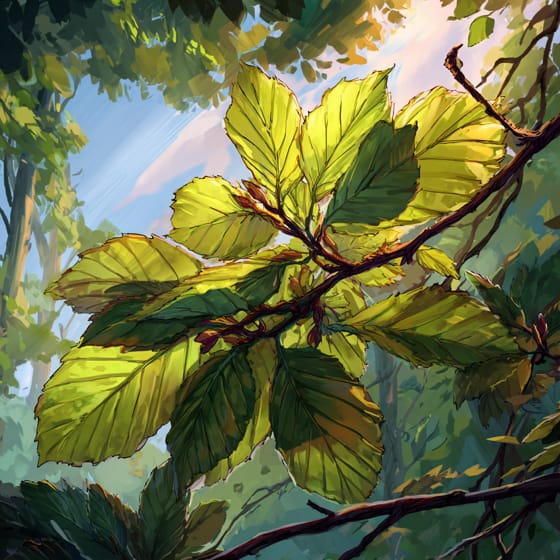
Fagus sylvatica
Relies on nuts for winter food.

Accipiter nisus
A common avian predator.
Lymantria dispar
Eats their caterpillars in summer.
Feathered describes animals, primarily birds, possessing a covering of feathers.
Social animals live in organized groups, cooperating for survival benefits such as foraging, defense, and raising offspring.
Singing animals produce complex vocalizations, often for purposes of attracting mates, defending territory, or communicating within their species.
Colorful describes organisms or objects displaying a wide range of bright and distinct colors.

This trait characterizes organisms whose diet consists entirely or primarily of plant material.

Forest habitats are terrestrial environments dominated by dense tree cover, supporting a high diversity of plant and animal life.

Migratory animals undertake seasonal movements from one region to another, typically in response to changes in climate or food availability.
No aliases listed yet.
Danger
1/5 · Very low
Enjoy watching birds from a distance, and don't try to touch or catch them.
The easiest way to identify Brambling is to use the Snappit nature identifier app.
14-16 cm
25-28 cm
0.017-0.03 kg
2-8 years
60 km/h
They mostly eat seeds and insects, switching depending on the season and what's available.
Forests
Zoom in to split clusters and explore where this object has been snapped.
Recent snaps will appear here as new observations are added.
Take the discovery with you
Snap it with Snappit to identify it, learn what makes it special, and add the discovery to your collection.




.jpg&width=800)






