.jpg&width=800)





Brasil
condalia hookeri
The Brasil plant is known for its beautiful green leaves and small, bright berries. Kids will love exploring its unique features and learning about its role in the ecosystem!
Habitat: Brasil plants typically grow in dry, rocky areas and can be found in various parts of South America.
The Brasil is a thorny shrub or small tree with stiff, intertwining branches. It has tiny, leathery, oval leaves and produces clusters of small, inconspicuous greenish-yellow flowers. Later, it bears small, shiny black, round berries.
Category
PlantsRarity
Common
Danger
1/5 · Very low
Snaps
Be the first to snap!
Even in harsh deserts, this plant provides crucial shade for small creatures!
Indigenous peoples traditionally used its tough branches for tools.
Its wood is incredibly dense, making it very hard to cut or break!
The Brasil's flowers provide a vital early food source for bees!
Brasil has sharp thorns that help it defend against hungry animals trying to munch on its leaves.
Brasil can thrive in dry, rocky soils because its deep roots can find water far underground.
Brasil has small, leathery leaves that help it reduce water loss in hot, sunny environments.

Toxostoma curvirostre
Its small fruits are a key food source.
Apis mellifera
Its flowers provide nectar and pollen.
Peromyscus eremicus
Dense thorns offer protection from predators.
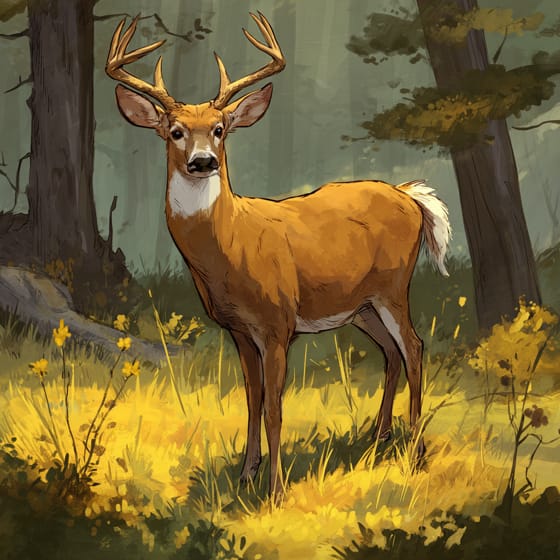
Odocoileus virginianus
Deer browse on its leaves and twigs.
Social animals live in organized groups, cooperating for survival benefits such as foraging, defense, and raising offspring.
Colorful describes organisms or objects displaying a wide range of bright and distinct colors.
This trait characterizes organisms whose diet consists entirely or primarily of plant material.
Forest habitats are terrestrial environments dominated by dense tree cover, supporting a high diversity of plant and animal life.

Diurnal animals are primarily active during daylight hours, typically resting or sleeping at night.
Danger
1/5 · Very low
No special safety notes yet.
The easiest way to identify Brasil is to use the Snappit nature identifier app.
100-300 cm
100-250 cm
0.2-0.5 cm
Spring-early summer
No
None
Perennial
Zoom in to split clusters and explore where this object has been snapped.
Recent snaps will appear here as new observations are added.
Take the discovery with you
Snap it with Snappit to identify it, learn what makes it special, and add the discovery to your collection.




.jpg)




.jpg&width=800)



_001.jpg&width=800)




