





Eelgrass
Zostera marina
Eelgrass is a special underwater plant that grows in the ocean. It provides homes for fish and helps keep the water clean and healthy.
Habitat: Coastal areas
The Eelgrass has long, bright green, ribbon-like leaves that form dense underwater meadows. Its thin, flowing blades make it look distinct from stiff seaweeds, swaying gracefully with ocean currents and often appearing as a lush green carpet.
Category
PlantsRarity
Common
Danger
1/5 · Very low
Snaps
Be the first to snap!
Eelgrass meadows are incredible carbon sinks, storing more CO2 than tropical rainforests!
It's a true underwater flowering plant, making it unique among ocean flora!
Some coastal communities historically wove dried eelgrass into roofs for insulation and building homes.
Tiny marine snails graze on the film of microscopic life that grows on eelgrass blades.
Eelgrass can photosynthesize underwater, releasing vital oxygen into the ocean for marine life to breathe.
Eelgrass has strong underground rhizomes that firmly anchor it, preventing erosion and keeping it rooted in shifting sands.
Eelgrass meadows can absorb wave energy, protecting coastlines from storms and reducing erosion.
Chelonia mydas
important food source
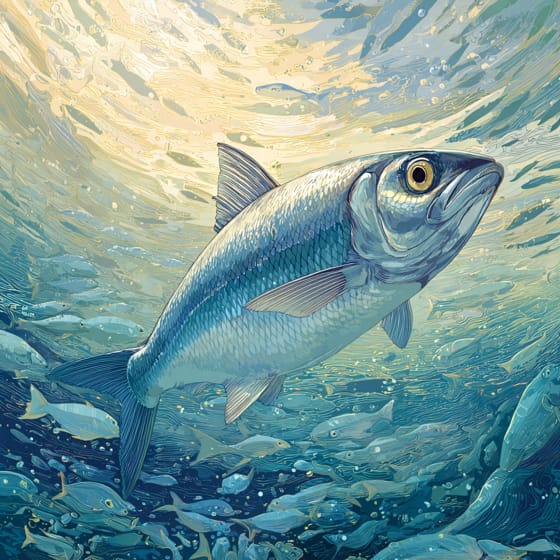
Clupea pallasii
lays eggs on blades

Cancer magister
juveniles hide in beds
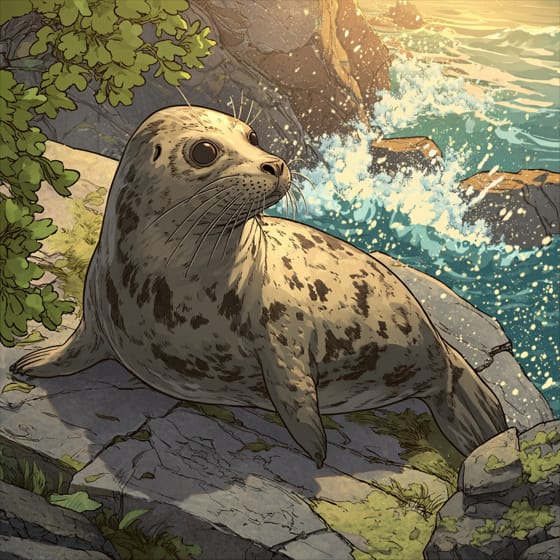
Phoca vitulina
foraging and resting habitat
Grass-like plants are herbaceous plants that visually resemble true grasses, typically having long, narrow leaves.
Evergreen plants retain their foliage throughout the year, never shedding all their leaves at once.
Edible plants are those parts of a plant that are considered safe for human consumption.
Coastal habitats are dynamic environments located along the interface between land and sea, influenced by tides, waves, and saltwater.

Describes a species whose presence and role have a disproportionately large effect on its environment.

Aquatic habitats encompass environments where organisms live predominantly in water, including oceans, rivers, lakes, and wetlands.

Marine habitats encompass all saltwater environments of the Earth's oceans, supporting an immense diversity of aquatic life.

Threatened status denotes a species likely to become endangered in the foreseeable future without effective conservation interventions.
No aliases listed yet.
Danger
1/5 · Very low
Always be careful when swimming near plants in the water; they can be slippery.
The easiest way to identify Eelgrass is to use the Snappit nature identifier app.
50-200 cm
Summer
Yes
None
Perennial
Water
Coastal areas
Zoom in to split clusters and explore where this object has been snapped.
Recent snaps will appear here as new observations are added.
Take the discovery with you
Snap it with Snappit to identify it, learn what makes it special, and add the discovery to your collection.









.jpg&width=800)



_001.jpg&width=800)


