





bristly sarsaparilla
Aralia hispida
Bristly sarsaparilla is a unique plant with prickly stems and big, green leaves. It grows in the wild and can be found in forests, adding beauty to nature with its interesting shape.
Habitat: Forests
The bristly sarsaparilla has upright, branching stems covered in stiff, sharp bristles. Its large, doubly compound leaves are bright green, and it produces clusters of tiny, creamy-white flowers. These flowers later develop into shiny, dark purple-black berries that stand out against the foliage.
Category
PlantsRarity
Common
Danger
2/5 · Low
Snaps
Be the first to snap!
Even though it's called 'sarsaparilla,' it's not the same plant used to flavor old-time sodas!
Its leaves can change from green to a beautiful reddish-purple color in the fall!
Its spiky stems are like tiny bodyguards, making it tricky for nibbling animals to eat!
The dark berries of this plant are a delicious snack for many birds and small critters.
Bristly sarsaparilla has stiff, sharp bristles on its stems that help protect it from hungry herbivores.
Bristly sarsaparilla produces dark, juicy berries that attract birds, helping spread its seeds far.
Bristly sarsaparilla has strong, creeping roots that help it spread and grow in tough soils.
Apis mellifera
Bees visit its white flowers for nectar.
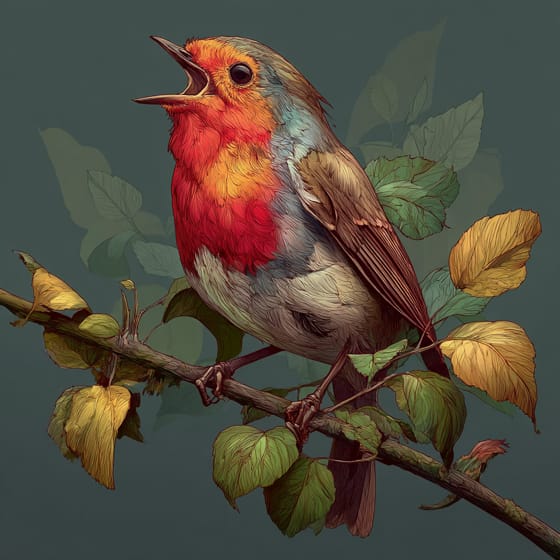
Turdus migratorius
Robins and other birds eat its berries.
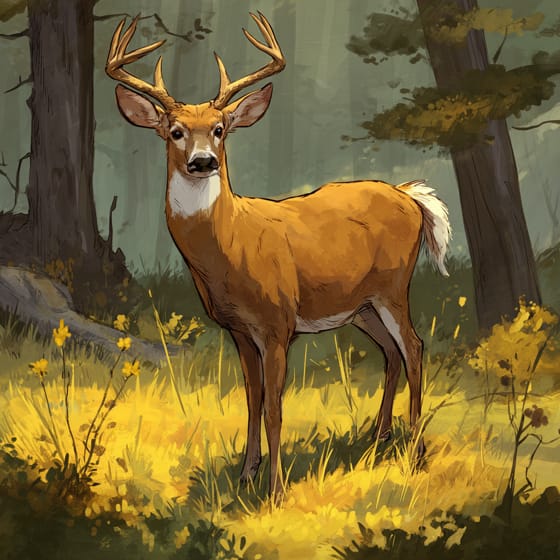
Odocoileus virginianus
Deer browse on its leaves and stems.
Aromatic plants produce and emit fragrant volatile organic compounds, often for defense or to attract pollinators.
Deciduous plants periodically shed all their leaves, typically during autumn or dry seasons.
Flowering plants are any plants that produce flowers as part of their reproductive cycle.
Medicinal plants possess chemical compounds that can be used for therapeutic purposes to treat illnesses or maintain health.

Describes plants that are particularly attractive and beneficial to a wide range of pollinating organisms.

Forest habitats are terrestrial environments dominated by dense tree cover, supporting a high diversity of plant and animal life.

Possessing sharp, pointed projections or spines on the body or surface.
No aliases listed yet.
Danger
2/5 · Low
Always look but don't touch the prickly parts of the plant to stay safe.
The easiest way to identify bristly sarsaparilla is to use the Snappit nature identifier app.
30-90 cm
60-120 cm
0.3-0.5 cm
Summer
No
Mild
Perennial
Zoom in to split clusters and explore where this object has been snapped.
Recent snaps will appear here as new observations are added.
Take the discovery with you
Snap it with Snappit to identify it, learn what makes it special, and add the discovery to your collection.







.jpg&width=800)



_001.jpg&width=800)




