.jpg&width=800)





Brown-Shaded Gray
iridopsis defectaria
The Brown-Shaded Gray is a butterfly that loves to flutter around gardens and fields! Its beautiful brown and gray wings help it blend in with nature.
Habitat: Gardens, fields, and wooded areas
The Brown-Shaded Gray has mottled wings featuring intricate patterns of browns, grays, and black speckles. Its irregular dark bands on its forewings allow it to blend seamlessly with tree bark and dead leaves, making it an expert at camouflage.
Category
InsectsRarity
Common
Danger
0/5 · No known danger
Snaps
2
Its caterpillars eat so much, they grow super fast before turning into moths!
Some moths like this one can find their way using Earth's invisible magnetic field!
This moth's wings feel like velvet, helping it fly silently past hungry bats!
When winter comes, Brown-Shaded Gray moths hide as pupae, waiting for spring!
Brown-Shaded Gray has intricate wing patterns that help them disappear against tree bark, making them hard for predators to spot.
Brown-Shaded Gray can fly safely in the dark because of its specialized night vision, helping it find food and mates.
Brown-Shaded Gray has fuzzy antennae that can detect smells from far away, helping it find flowers and other moths.
Adult moths drink nectar and tree sap, while their caterpillars munch on plant leaves.
Age differences: Larvae eat plant leaves, while adults primarily feed on nectar and tree sap.
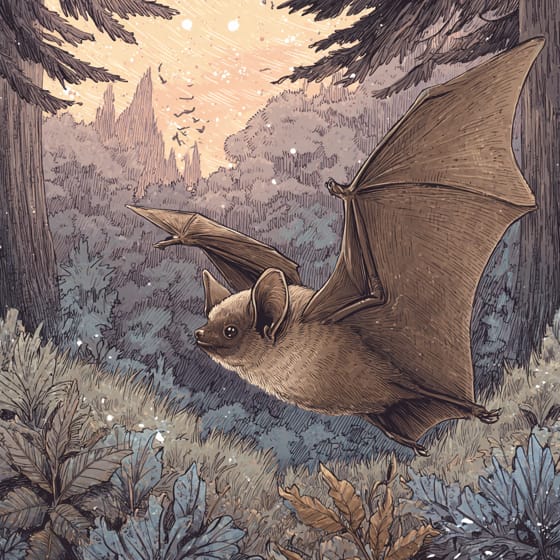
Myotis lucifugus
Bats hunt adult moths at night using echolocation.
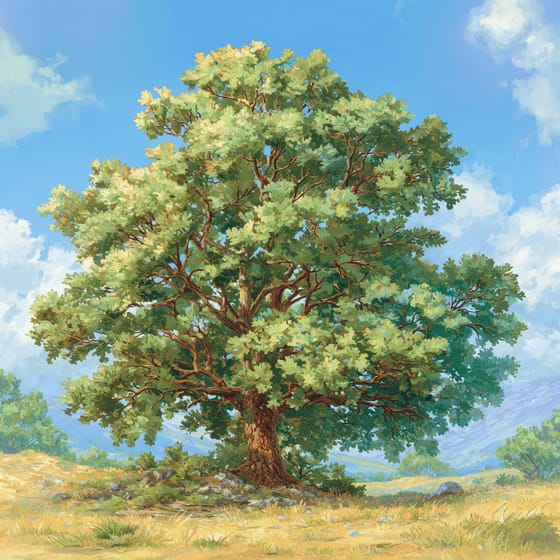
Quercus alba
Caterpillars munch on leaves of this common oak tree.

Lonicera japonica
Adult moths visit flowers for nectar, spreading pollen.
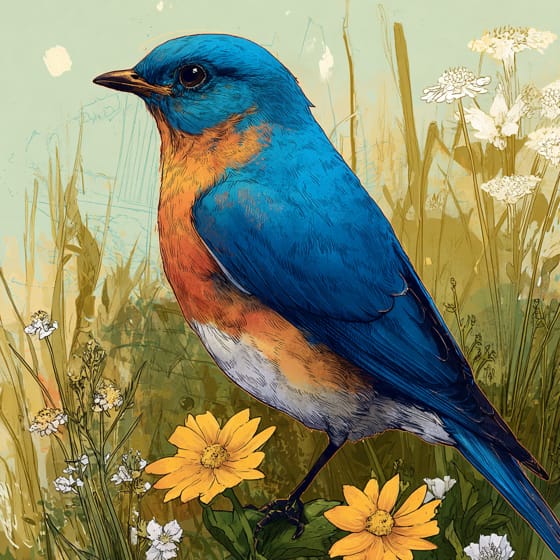
Sialia sialis
Birds like bluebirds prey on both moths and caterpillars.
Social animals live in organized groups, cooperating for survival benefits such as foraging, defense, and raising offspring.
Camouflaged describes organisms that possess coloring or patterns that allow them to blend into their environment.
Colorful describes organisms or objects displaying a wide range of bright and distinct colors.
This trait characterizes organisms whose diet consists entirely or primarily of plant material.

This trait identifies organisms whose diet consists entirely or primarily of animal tissue.

Diurnal animals are primarily active during daylight hours, typically resting or sleeping at night.
Danger
0/5 · No known danger
No special safety notes yet.
The easiest way to identify Brown-Shaded Gray is to use the Snappit nature identifier app.
40-70 mm
20-40 mm
7-14 days
8 km/h
Adult moths drink nectar and tree sap, while their caterpillars munch on plant leaves.
Gardens, fields, and wooded areas
Foraging
Zoom in to split clusters and explore where this object has been snapped.

Tennessee, US
You might spot House Sparrow, Northern Mockingbird, and Gulf Fritillary.
View guide →

Texas, US
You might spot Antelopehorn Milkweed and Lindheimer's Senna.
View guide →
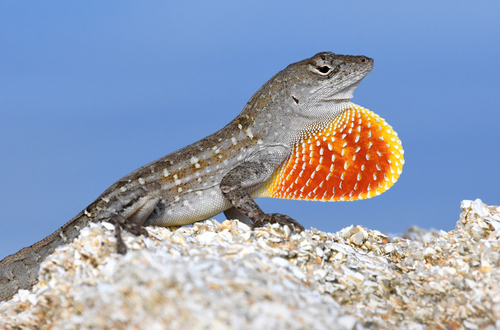
Florida, US
You might spot Brown Anole and Green Treefrog.
View guide →
Take the discovery with you
Snap it with Snappit to identify it, learn what makes it special, and add the discovery to your collection.







.jpg&width=800)



