





butcher's-broom
Ruscus aculeatus
Butcher's-broom is a unique plant with stiff, green stems that look like leaves. It grows in shady places and has tiny flowers that turn into bright red berries, making it special and fun to find in nature!
Habitat: Forests
The butcher's-broom has stiff, dark green, flattened stems that look like sharp leaves. Its tiny, pale green-white flowers grow directly on these 'leaves,' later forming bright red, marble-sized berries that stand out against the evergreen foliage.
Category
PlantsRarity
Common
Danger
2/5 · Low
Snaps
Be the first to snap!
Ancient Romans used butcher's-broom branches to protect food from nibbling mice!
Its tough, spiky branches were traditionally used by butchers to scrub chopping blocks clean.
The plant's bright red berries can stay on the branches all through winter, even in snow!
Unlike most plants, its tiny flowers bloom right on the middle of its "leaves"!
Butcher's-broom flowers in cold months and keeps its berries, providing food when little else is available.
Its 'leaves' are actually modified stems called cladodes, which helps reduce water loss in dry conditions.
Turdus merula
Feeds on its vibrant red berries.
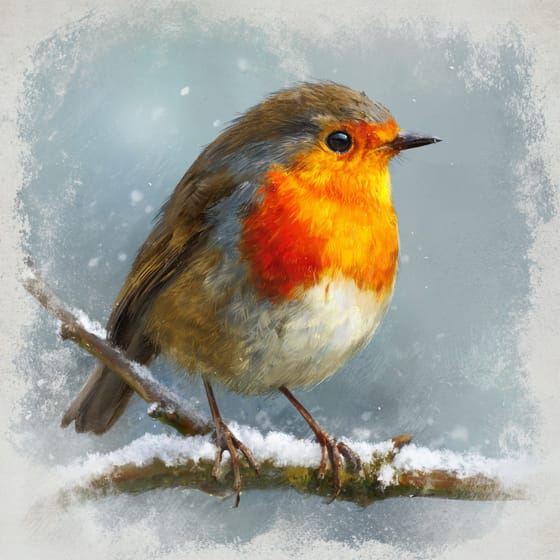
Erithacus rubecula
Consumes the energy-rich winter berries.
Apis mellifera
Visits its tiny, greenish-white flowers.
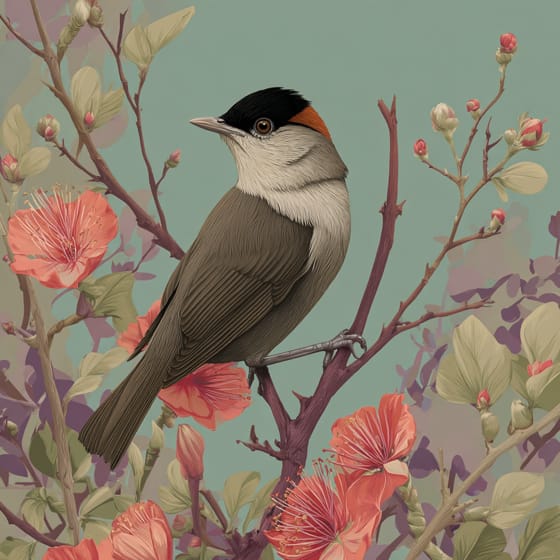
Sylvia atricapilla
Hides in its dense, spiky foliage.
Flowering plants are any plants that produce flowers as part of their reproductive cycle.
Shade tolerant plants are adapted to grow and thrive in areas with low light levels, requiring less direct sunlight.
A shrub is a woody plant smaller than a tree, typically with multiple stems branching from or near the ground.
Evergreen plants retain their foliage throughout the year, never shedding all their leaves at once.

Fruit-bearing plants produce fruits, which are the mature ovaries of flowering plants containing seeds.

Medicinal plants possess chemical compounds that can be used for therapeutic purposes to treat illnesses or maintain health.

Edible plants are those parts of a plant that are considered safe for human consumption.

Forest habitats are terrestrial environments dominated by dense tree cover, supporting a high diversity of plant and animal life.

This trait characterizes organisms with an exceptionally long lifespan compared to others of their kind.

Describes organisms that transfer pollen, enabling the fertilization and reproduction of plants.
No aliases listed yet.
Danger
2/5 · Low
Always look but don't touch the berries, as they can be harmful if eaten.
The easiest way to identify butcher's-broom is to use the Snappit nature identifier app.
30-90 cm
30-60 cm
0.2-0.5 cm
Late winter to early spring
No
Mild
Perennial
Zoom in to split clusters and explore where this object has been snapped.
Recent snaps will appear here as new observations are added.
Take the discovery with you
Snap it with Snappit to identify it, learn what makes it special, and add the discovery to your collection.







.jpg&width=800)



_001.jpg&width=800)
