



Eastern White Pine
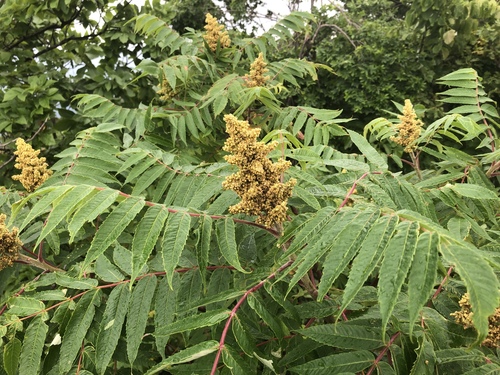
The Palmerton Historic District offers a unique glimpse into early 20th-century American industrial planning and architecture.
The Palmerton Historic District offers a unique glimpse into early 20th-century American industrial planning and architecture. This district, nestled in Carbon County, Pennsylvania, is a testament to the vision of a "company town" designed with a meticulous master plan. It showcases a blend of architectural styles and historic structures that narrate the town's industrial origins and community development.
Visitors can explore a rich collection of contributing buildings, including original workers' bungalows, institutional structures, and commercial properties that reflect the Progressive Era. Key highlights include the well-preserved Avenues residential zone with its tree-lined alleys, and iconic buildings like the Palmerton Library and St. John's Episcopal Church. The district provides a tangible link to Palmerton's past as a model industrial settlement established by the New Jersey Zinc Company.
A visit to the Palmerton Historic District is an immersive journey through a thoughtfully laid-out community, revealing how industrial enterprise shaped urban planning and social infrastructure. Its inclusion on the National Register of Historic Places underscores its significance, making it a memorable destination for those interested in American history, architecture, and urban development. Turn your visit into a safari! Use the Snappit app to scan and log wildlife sightings here.
The town of Palmerton was founded in 1898 by the New Jersey Zinc Company (NJZ) to house its employees, making it a quintessential "company town." The area was chosen strategically due to its proximity to the Lehigh River for water, nearby coal regions for fuel, and a developed rail network for transportation of zinc ore and finished products. Unlike the often chaotic development of other industrial towns, Palmerton was meticulously planned by engineers and architects, featuring a clear grid of wide streets, thoughtful zoning, and essential social infrastructure such as a hospital, library, schools, and parks. The town was named after Stephen S. Palmer, the company president who oversaw its creation, and officially became a borough in 1912. The Palmerton Historic District, roughly bounded by Tomb Street, Avenue A, 8th Street, and Harvard Avenue, was added to the U.S. National Register of Historic Places on January 19, 2018. This recognition highlights its unique architecture and planned urban design, with contributing structures dating from 1890 through 1962. The district encompasses over 1,200 contributing buildings, several structures like railroad and road bridges, and parks, showcasing the architectural styles prevalent during the early 20th century, predominantly American Craftsman and Bungalow.
Take a self-guided walking tour to admire the diverse architectural styles, particularly the American Craftsman and Bungalow homes. Observe the town's unique grid layout and zoning, which were revolutionary for its time. Visit the Palmerton Area Heritage Center to delve deeper into local history and view artifacts.
Spring/Summer: Enjoy blooming foliage along the tree-lined avenues. Look for local events such as the Community Festival in September.
Fall: Experience vibrant fall foliage.
Winter: The district can be charming under snow, though some outdoor exploration might be less comfortable.
As an urban historic district, much of it is accessible via sidewalks and paved streets. Specific accessibility for individual historic buildings would vary, and visitors are advised to check directly with specific venues if they plan to enter.
Explore the historic residential zone with preserved bungalow homes and century-old trees.
An example of classical small-scale architecture gifted by the founding company.
A notable architectural landmark within the district.
Another significant building reflecting the town's planned development.
Each card links to a full Explore page with photos, traits, and fun facts.
Start with the big picture, then zoom in to explore individual wildlife observations around this place.
Wear comfortable walking shoes to fully explore the expansive district.
Consider a self-guided walking tour, focusing on Delaware Avenue and the surrounding residential "Avenues" to appreciate the planned layout and architecture.
Visit the Palmerton Area Heritage Center for additional historical context and exhibits.
Look for informational plaques or signs that might provide details about specific historic buildings or areas.
Bring a camera to capture the unique architectural details and the cohesive streetscapes of this planned community.
Combine your visit with other local attractions, such as the Lehigh Gap Nature Center, which offers a contrasting view of environmental reclamation.
May 18, 2022
Photo attribution
(c) Nico Carl, some rights reserved (CC BY)
License: CC BY 4.0 ↗
Image may be shown cropped inside the card frame.
Jun 5, 2026
Jun 5, 2026
Jun 5, 2026
May 31, 2026

Maryland, US
You might spot White-Tailed Deer and Eastern Gray Squirrel.
View guide →
.jpg)
District of Columbia, US
You might spot Eastern Gray Squirrel, Duck, and House Sparrow.
View guide →

Illinois, US
You might spot American Robin, Canada Goose, and House Sparrow.
View guide →

Virginia, US
You might spot Spotted Lanternfly and Northern Cardinal.
View guide →
Take the discovery with you
Identify the wildlife you spot, learn as you go, and keep a collection of the adventure.











.jpg&width=800)