





Cactus Wren
Campylorhynchus brunneicapillus
The Cactus Wren is a lively bird that loves to hop around in the desert. It builds cozy nests in cacti and sings cheerful songs to communicate with its friends.
Habitat: Desert
The Cactus Wren is the largest wren in North America, with a stout body and long, slightly decurved bill. It has a distinctive white eyebrow stripe, a brown back heavily streaked with white, and a spotted belly. Its rusty-brown cap and barring on its tail help it blend into desert environments.
Category
BirdsRarity
Common
Danger
1/5 · Very low
Snaps
12
A male Cactus Wren might build several "dummy" nests before a female chooses one for eggs!
Cactus Wrens are North America's largest wren species, reaching up to 9 inches long!
Their football-shaped nests often have a clever side entrance to deter sneaky predators!
These birds hardly ever drink water, getting all they need from the insects they eat!
Cactus Wren can build intricate, football-shaped nests deep within thorny cacti, protecting their young from predators.
Cactus Wren has a high tolerance for heat that helps them thrive in scorching desert environments, even on the hottest days.
Cactus Wren can extract almost all the water it needs from its food, like insects and cactus fruit, keeping it hydrated in arid places.
Cactus Wrens mostly munch on insects and spiders, but they also enjoy some yummy fruits and seeds from desert plants.
Pituophis catenifer
Snakes can raid nests for eggs and chicks.
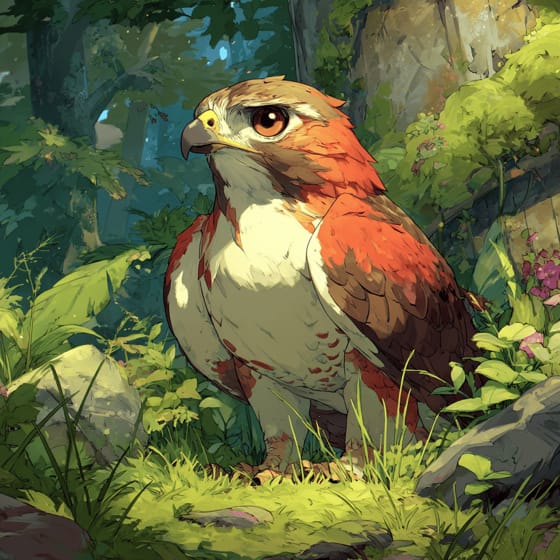
Buteo jamaicensis
Large raptors are known predators of adult wrens.

Carnegiea gigantea
Wrens build nests and shelter within its spiny arms.
Feathered describes animals, primarily birds, possessing a covering of feathers.
Social animals live in organized groups, cooperating for survival benefits such as foraging, defense, and raising offspring.
This trait identifies organisms whose diet includes both plant and animal matter.
Singing animals produce complex vocalizations, often for purposes of attracting mates, defending territory, or communicating within their species.

Camouflaged describes organisms that possess coloring or patterns that allow them to blend into their environment.

Desert habitats are arid regions characterized by extremely low precipitation and often extreme temperatures, supporting specialized flora and fauna.

Possessing sharp, pointed projections or spines on the body or surface.

Diurnal animals are primarily active during daylight hours, typically resting or sleeping at night.
No aliases listed yet.
Danger
1/5 · Very low
Always watch out for sharp cactus spines when exploring their homes.
The easiest way to identify Cactus Wren is to use the Snappit nature identifier app.
18-23 cm
29-32 cm
0.032-0.047 kg
3-7 years
50 km/h
Cactus Wrens mostly munch on insects and spiders, but they also enjoy some yummy fruits and seeds from desert plants.
Desert
Zoom in to split clusters and explore where this object has been snapped.

Texas, US
You might spot Texas Hedgehog Cactus, Ornate Tree Lizard, and Cactus Wren.
View guide →

Arizona, US
You might spot Saguaro.
View guide →
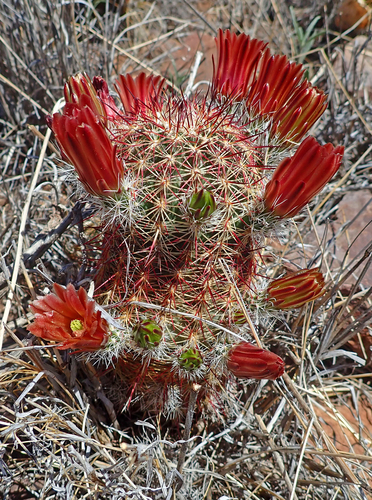
Texas, US
You might spot Texas Hedgehog Cactus, Cactus Wren, and Ornate Tree Lizard.
View guide →

Arizona, US
You might spot Saguaro, Fishhook Barrel Cactus, and Desert Spiny Lizard.
View guide →

California, US
You might spot Corkystem Passionvine and Blister Glassy-Bubble.
View guide →
Take the discovery with you
Snap it with Snappit to identify it, learn what makes it special, and add the discovery to your collection.




.jpg&width=800)









