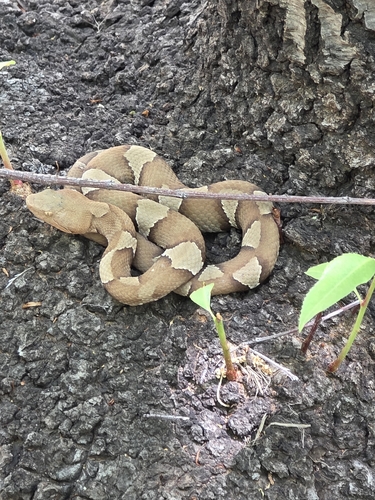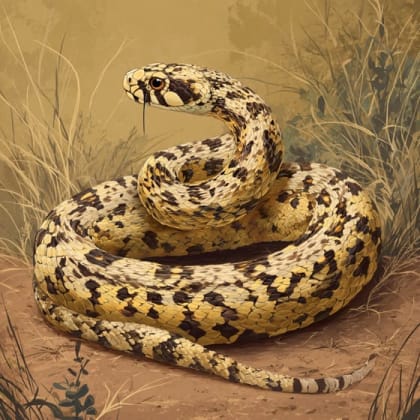





Gopher Snake
Explore the vibrant biodiversity of the Chihuahuan Desert at this captivating research institute.
Explore the vibrant biodiversity of the Chihuahuan Desert at this captivating research institute. The Chihuahuan Desert Research Institute (CDRI) serves as a vital educational hub and botanical garden, offering an unparalleled opportunity to discover the unique flora, fauna, and geological wonders of North America's largest desert. Situated on 507 acres in the foothills of the Davis Mountains, it combines scientific research with engaging visitor experiences, making the desert accessible and understandable.
Wander through the 18-acre Botanical Gardens, where you'll find nearly 165 species of native Trans-Pecos plants meticulously arranged along the self-guided Trans Pecos Natives Garden Path. A highlight is the Maxie Templeton Cactus Museum Collection, housing one of the world's largest collections of Chihuahuan Desert cacti and succulents, with approximately 200 species showcasing their remarkable adaptations. Don't miss the Pollinator Garden, designed to attract hummingbirds, butterflies, and bees, or the Native Grasses Exhibit, displaying 26 species native to the region. Beyond the gardens, explore over five miles of hiking trails, including the Modesta Canyon Trail with its year-round spring and unique riparian ecosystem, and Clayton's Overlook, providing panoramic 360-degree views of the surrounding mountains and a geological exhibit.
CDRI is more than just a beautiful landscape; it's a living classroom that fosters public awareness and appreciation for desert conservation. From the interactive Mining Heritage Exhibit, featuring a replica of a 19th-century mine, to the Geological Timeline showcasing billions of years of local rock samples, every corner offers a chance for discovery. Its commitment to education and research, coupled with stunning desert scenery and diverse plant collections, makes it a memorable and enriching destination for all ages. Wondering what that bird or insect is? Find out on your visit using the Snappit nature app.
The Chihuahuan Desert Research Institute (CDRI) was established in December 1973 by two professors from Sul Ross State University: botanist Mike Powell and naturalist Jim Scudday. Their vision stemmed from the recognition that the Chihuahuan Desert, despite being the largest desert in North America, was largely under-researched. Initially focused on scientific study, CDRI expanded its mission to include public education and outreach in 1979, acquiring its first parcel of land southeast of Fort Davis to develop an accessible nature center and botanical gardens. The institute operated from various locations in Alpine, Texas, including the Centennial School Building and facilities at Sul Ross State University, before moving to its permanent 507-acre home near Fort Davis with the construction of the Powell Visitor Center in 1998. Over its five decades, CDRI has grown into a significant non-profit organization dedicated to promoting appreciation and conservation of the Chihuahuan Desert through education, visitor experiences, and ongoing research.
Explore the diverse plant collections in the Botanical Gardens, embark on a scenic hike, learn about mining history and geology, and observe desert wildlife. Guided hikes and tours are available for groups.
Spring: Peak cactus blooms and wildflowers.
Summer: Evenings cool off, but bring a sweater or light jacket. Monsoon season brings new blooms and hummingbirds. Early morning or late afternoon visits are recommended for summer hikes.
Fall: Butterflies, bees, and migrating hummingbirds are abundant; plants are in full bloom.
Winter: Plants are dormant, but the dried grasses swaying in the breeze offer a unique beauty. Less wildlife is visible.
The Visitor Center has a wheelchair ramp and designated handicapped parking. The Botanical Gardens have dirt and gravel paths that are wheelchair accessible for most individuals. Some areas around the building and gardens are flat and stroller-friendly. Hiking trails vary in difficulty, with some being uneven and rocky.
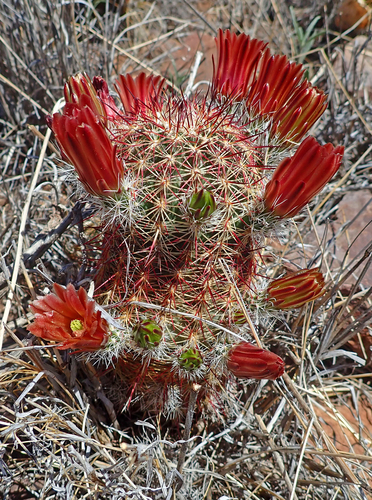
One of the world's largest collections of Chihuahuan Desert cacti and succulents.
Featuring the Trans Pecos Natives Garden Path, Pollinator Garden, and Native Grasses Exhibit, showcasing diverse regional flora.
A moderate to strenuous hike leading into a riparian canyon with a year-round spring, Texas Madrone trees, and a fragile ecosystem.
A moderate hike offering 360-degree panoramic views and an interpretive geology exhibit.
Each card links to a full Explore page with photos, traits, and fun facts.
Start with the big picture, then zoom in to explore individual wildlife observations around this place.
Check in at the Powell Visitor Center
Upon arrival, get maps and trail guides. The staff can provide current conditions and recommendations.
Wear appropriate footwear
Many trails are earthen, rocky, and uneven, so closed-toe shoes with good grip are essential for safety and comfort.
Stay hydrated and protected
The desert sun can be intense. Bring plenty of water, wear sunscreen, a hat, and sunglasses, especially during warmer months.
Bring binoculars
Birdwatchers will appreciate the opportunity to spot various species, particularly near the Bird Blind.
Visit the Cactus Greenhouse in spring
This is when the cacti are often in spectacular bloom.
Allow ample time
With diverse gardens, exhibits, and miles of trails, plan for at least a few hours, or even a full day, to fully experience all CDRI has to offer.
May 29, 2026
Photo attribution
no rights reserved
License: CC0 1.0 ↗
Image may be shown cropped inside the card frame.
May 24, 2026
Photo attribution
no rights reserved
License: CC0 1.0 ↗
Image may be shown cropped inside the card frame.
May 24, 2026
Photo attribution
no rights reserved
License: CC0 1.0 ↗
Image may be shown cropped inside the card frame.
May 24, 2026
Photo attribution
no rights reserved
License: CC0 1.0 ↗
Image may be shown cropped inside the card frame.
May 20, 2026
Photo attribution
(c) Cleveland Powell, some rights reserved (CC BY)
License: CC BY 4.0 ↗
Image may be shown cropped inside the card frame.

Maryland, US
You might spot White-Tailed Deer and Eastern Gray Squirrel.
View guide →
.jpg)
District of Columbia, US
You might spot Eastern Gray Squirrel, Duck, and House Sparrow.
View guide →

Illinois, US
You might spot American Robin, Canada Goose, and House Sparrow.
View guide →

Virginia, US
You might spot Spotted Lanternfly and Northern Cardinal.
View guide →
Take the discovery with you
Identify the wildlife you spot, learn as you go, and keep a collection of the adventure.