.jpg&width=800)




Canada yew
Taxus canadensis
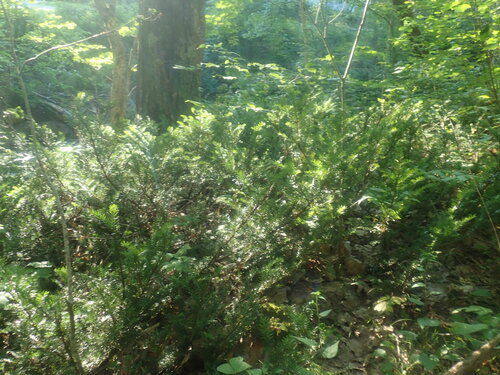
The Canada yew is a small, evergreen shrub with soft, dark green needles. It grows low to the ground and can live for many years, making it a special part of the forest.
Habitat: Forests
The Canada yew is a low, spreading shrub with soft, flat, dark green needles arranged in two rows along its reddish-brown stems. It produces small, bright red, cup-shaped 'berries' (arils) that contrast beautifully with its evergreen foliage.
Category
PlantsRarity
Common
Danger
3/5 · Moderate
Snaps
3
Canada yew's bright red 'berries' are actually fleshy cones, with a single toxic seed inside!
Canada yews can live for a very long time, sometimes over 100 years!
Its tough, flexible wood was historically prized for making tools and hunting bows!
The needles of the yew are very soft and feel nice to touch.
Canada yew can thrive in very dark forests, using its specialized needles to capture faint sunlight that other plants miss.
Canada yew has toxic compounds in its leaves and seeds that make it dangerous for most animals to eat, protecting it from predators.
If its branches are damaged, Canada yew can sprout new shoots from its base or roots, helping it recover quickly.
Shade tolerant plants are adapted to grow and thrive in areas with low light levels, requiring less direct sunlight.
A shrub is a woody plant smaller than a tree, typically with multiple stems branching from or near the ground.
Coniferous plants are typically evergreen, bearing needles or scales and reproductive cones.
Evergreen plants retain their foliage throughout the year, never shedding all their leaves at once.

Fruit-bearing plants produce fruits, which are the mature ovaries of flowering plants containing seeds.

Medicinal plants possess chemical compounds that can be used for therapeutic purposes to treat illnesses or maintain health.

Describes plants that are particularly attractive and beneficial to a wide range of pollinating organisms.

This trait signifies organisms belonging to a very old evolutionary group with ancestors dating back millions of years.

Forest habitats are terrestrial environments dominated by dense tree cover, supporting a high diversity of plant and animal life.

This trait characterizes organisms with an exceptionally long lifespan compared to others of their kind.
No aliases listed yet.
Danger
3/5 · Moderate
Do not eat the berries or any part of the plant, as they can be harmful.
The easiest way to identify Canada yew is to use the Snappit nature identifier app.
100-250 cm
150-400 cm
Early spring
No
Deadly
Perennial
Wind
Zoom in to split clusters and explore where this object has been snapped.
Jul 20, 2023
Doane's FallsPhoto attribution
no rights reserved
License: CC0 1.0 ↗
Image may be shown cropped inside the card frame.
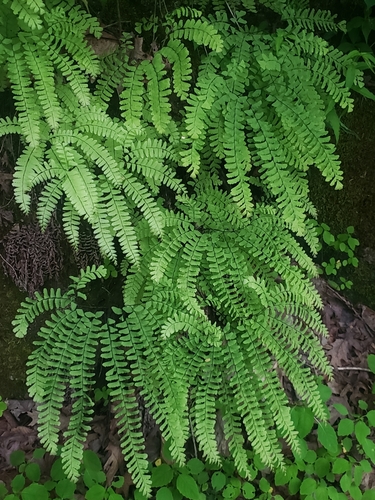
Iowa, US
You might spot Northern Maidenhair Fern and Wood Nettle.
View guide →

Massachusetts, US
You might spot Rosy Maple Moth, Solomon's Plume, and Marginal Wood Fern.
View guide →
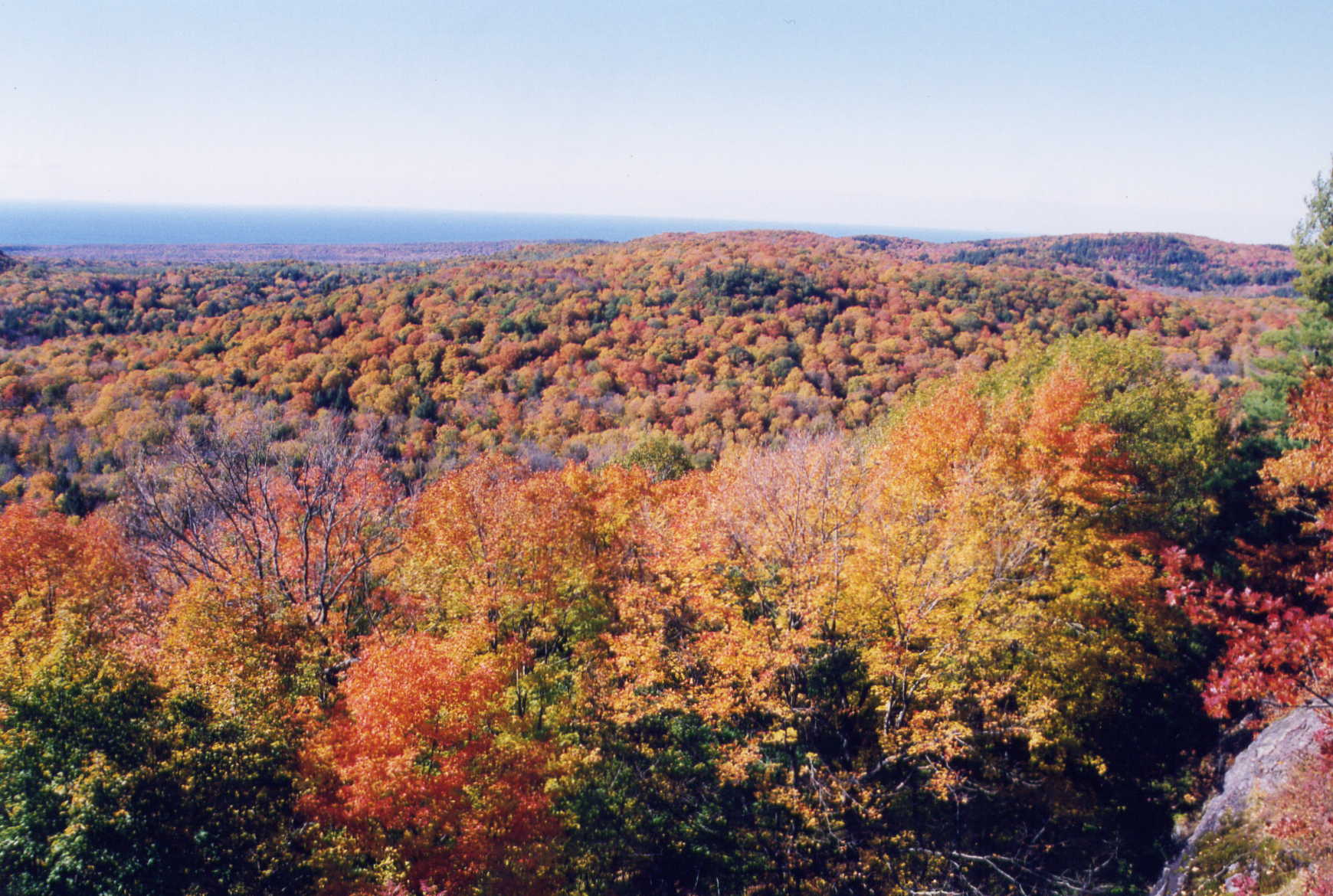
Michigan, US
You might spot Tree Lungwort, Shining Firmoss, and American Toad.
View guide →
Take the discovery with you
Snap it with Snappit to identify it, learn what makes it special, and add the discovery to your collection.









.jpg&width=800)



_001.jpg&width=800)

