





Candy Flower
Claytonia sibirica
Candy Flowers are pretty little blooms that look like they are made of candy! They have soft petals and often grow in clusters, making them look like a sweet treat in nature.
Habitat: Forests
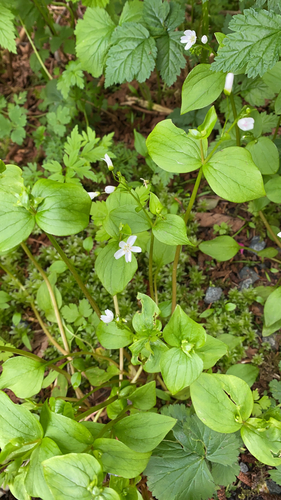
The Candy Flower has delicate, five-petaled white or pink blossoms, often with darker pink veins, clustered atop slender reddish stems. Its glossy, spoon-shaped green leaves form a basal rosette, distinguishing it from most small wildflowers.
Category
PlantsRarity
Common
Danger
1/5 · Very low
Snaps
11
Indigenous peoples traditionally enjoyed the fresh, spinach-like greens of this plant.
Its beautiful petals fold up tight at night, then unfurl with the morning sun!
The tiny seeds are sometimes spread by ants, who carry them to new spots!
This wildflower can pop up through melting snow, being one of the first blooms of spring!
Candy Flower can grow and bloom rapidly in spring, helping it capture sunlight before taller plants leaf out.
Candy Flower has tender leaves packed with nutrients, making it a valuable food source for various animals and people.
Candy Flower has adaptations to thrive in damp, shady conditions, allowing it to grow where many other plants struggle.
Apis mellifera
collects nectar and pollen
Bombus occidentalis
visits flowers for nectar
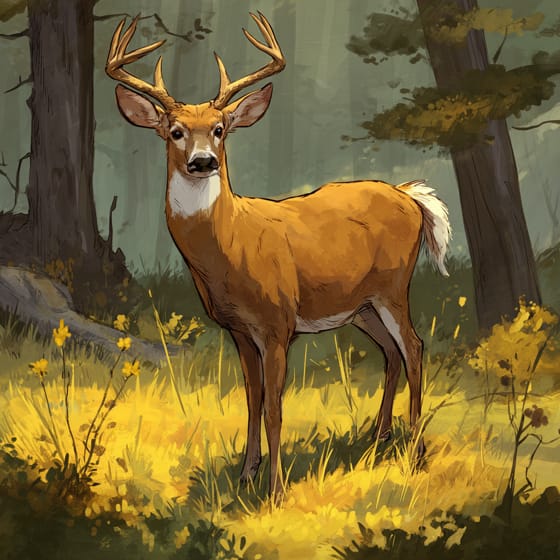
Odocoileus virginianus
grazes on its tender leaves
Flowering plants are any plants that produce flowers as part of their reproductive cycle.
Cluster flowers are inflorescences where individual flowers are arranged closely together on a common stem.
Spring blooming plants produce their flowers during the spring season, often signifying the end of winter and the start of new growth.
Fragrant flowers emit a pleasant aroma, often to attract pollinators or for defense.

Colorful describes organisms or objects displaying a wide range of bright and distinct colors.

Edible plants are those parts of a plant that are considered safe for human consumption.

Describes plants that are particularly attractive and beneficial to a wide range of pollinating organisms.

Forest habitats are terrestrial environments dominated by dense tree cover, supporting a high diversity of plant and animal life.
Danger
1/5 · Very low
Always ask an adult before touching or tasting any wild plants.
The easiest way to identify Candy Flower is to use the Snappit nature identifier app.
10-30 cm
10-20 cm
0.5-1.5 cm
Spring to early summer
Yes
None
Perennial
Zoom in to split clusters and explore where this object has been snapped.
May 26, 2026
Sitka National Historical ParkPhoto attribution
(c) ashevillebirder, some rights reserved (CC BY)
License: CC BY 4.0 ↗
Image may be shown cropped inside the card frame.

Oregon, US
You might spot Oregon Oak, Pacific Poison Oak, and American Bullfrog.
View guide →

Oregon, US
You might spot Rough-Skinned Newt and Isabella Tiger Moth.
View guide →

US
You might spot Variable Carpet Moth, Bald Eagle, and Red Huckleberry.
View guide →

Washington, US
You might spot Thimbleberry, Modesty, and Arctic Butterbur.
View guide →

US
You might spot Salal, Ochre Sea Star, and Leather Star.
View guide →

Washington, US
You might spot Pacific Banana Slug, Western Sword Fern, and Elk.
View guide →
Take the discovery with you
Snap it with Snappit to identify it, learn what makes it special, and add the discovery to your collection.






.jpg&width=800)


_001.jpg&width=800)



