





Canyon liveforever
Dudleya cymosa
Canyon liveforever is a special succulent plant that grows in rocky places. Its thick leaves help it store water, making it perfect for dry areas.
Habitat: Mountain regions
The Canyon liveforever is a small succulent plant featuring a rosette of thick, fleshy leaves that can be chalky green, grey, or even reddish. Its vibrant star-shaped flowers range from bright yellow to orange-red, standing out against rocky backdrops.
Category
PlantsRarity
Common
Danger
1/5 · Very low
Snaps
3
It can be found tucked into tiny rock cracks, blooming with bright, starry flowers!
Its 'dusty' leaves are covered in a natural sunscreen to beat the harsh sun!
Some liveforever species can live for 50-100 years, truly living up to its name!
This plant can grow upside down from cliff faces, clinging with mighty roots!
Canyon liveforever has thick, succulent leaves that store precious water, helping it survive long dry spells in arid places.
This plant is covered in a powdery, waxy coating, called farina, that reflects sunlight and reduces water loss in intense heat.
Canyon liveforever can grow roots into small rock crevices, anchoring itself firmly on steep, rocky slopes.
Apis mellifera
Bees visit its bright flowers for nectar and pollen.

Bombus vosnesenskii
Bumblebees help carry pollen between its cheerful blossoms.
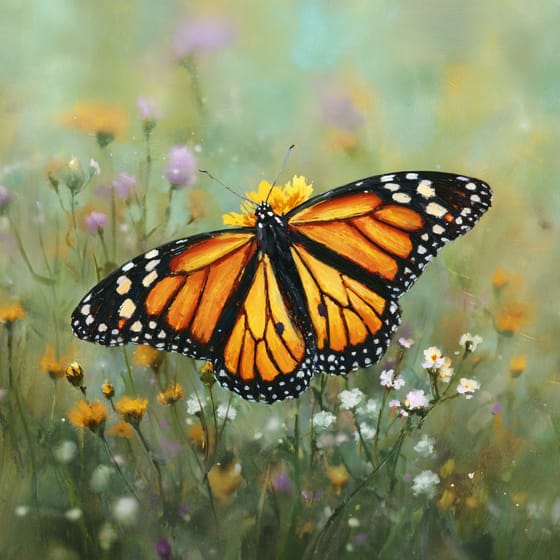
Danaus plexippus
Butterflies are attracted to the colorful blooms, aiding pollination.
Flowering plants are any plants that produce flowers as part of their reproductive cycle.
Evergreen plants retain their foliage throughout the year, never shedding all their leaves at once.
Drought-tolerant plants can survive and flourish in conditions with limited water availability.
Succulent plants have thickened, fleshy parts, usually leaves or stems, adapted to store water in arid climates.

Colorful describes organisms or objects displaying a wide range of bright and distinct colors.

Describes plants that are particularly attractive and beneficial to a wide range of pollinating organisms.

This habitat trait identifies species found in mountainous regions, characterized by high elevation, steep slopes, and varying climate zones.

This trait characterizes organisms with an exceptionally long lifespan compared to others of their kind.

Endangered status indicates a species is at a very high risk of extinction in the wild in the near future.
No aliases listed yet.
Danger
1/5 · Very low
Don't touch plants without asking an adult first, some can be prickly!
The easiest way to identify Canyon liveforever is to use the Snappit nature identifier app.
5-30 cm
10-20 cm
1-2 cm
Spring to early summer
Yes
None
Perennial
Zoom in to split clusters and explore where this object has been snapped.

California, US
You might spot Sequoia, California Newt, and Pacific Dogwood.
View guide →

California, US
You might spot Western Redbud and Harlequin Lupine.
View guide →

California, US
You might spot Vulture, Acorn Woodpecker, and Stanislaus Monkeyflower.
View guide →
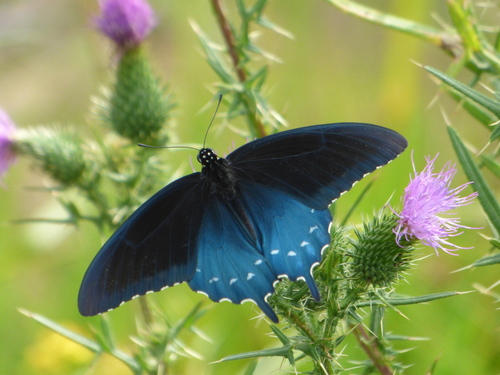
California, US
You might spot Pipevine Swallowtail, White Globe Lily, and Toyon.
View guide →
.JPG)
California, US
You might spot Cardinal Catchfly and Broad-Leaved Stonecrop.
View guide →
Take the discovery with you
Snap it with Snappit to identify it, learn what makes it special, and add the discovery to your collection.








.jpg&width=800)



_001.jpg&width=800)


