





Cardinal Meadowhawk
Sympetrum illotum
The Cardinal Meadowhawk is a bright red dragonfly that loves to fly around ponds and marshes. They are fun to watch as they dart and hover in the air, catching tiny insects.
Habitat: Wetlands
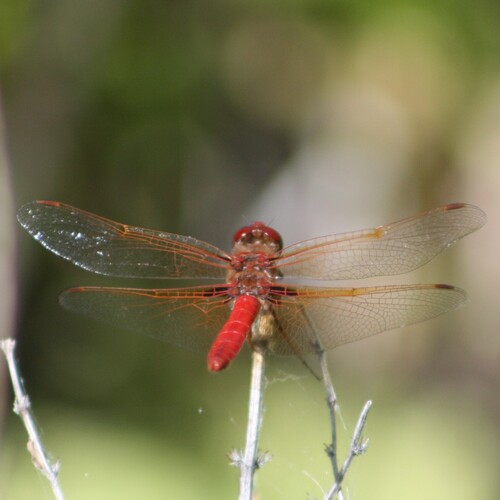
The Cardinal Meadowhawk is a striking dragonfly, with males boasting a vibrant, fiery red body and face. Females are typically yellowish-brown with subtle red markings. Both sexes have clear wings, often with a faint amber patch at the base, distinguishing them from other meadowhawk species.
Category
InsectsRarity
Common
Danger
1/5 · Very low
Snaps
8
A Cardinal Meadowhawk can catch its insect prey right in the air, without ever slowing down!
Baby meadowhawks live underwater for years, breathing through gills before they fly!
Dragonflies have been soaring the skies since before the dinosaurs roamed Earth!
They are expert flyers, capable of hovering perfectly still like a miniature helicopter!
Cardinal Meadowhawks can fly forwards, backwards, and hover because of their powerful, independently moving wings that helps them hunt.
Cardinal Meadowhawks have enormous compound eyes that helps them spot tiny prey and predators in all directions at once.
Cardinal Meadowhawk larvae are aquatic predators with a special hinged jaw that helps them ambush prey underwater.
These flying hunters eat small insects like mosquitoes, catching them in mid-air!
Age differences: Larvae eat aquatic insects; adults hunt flying insects.
Culex pipiens
eats adult mosquitoes
Chironomus plumosus
larvae eat midge larvae
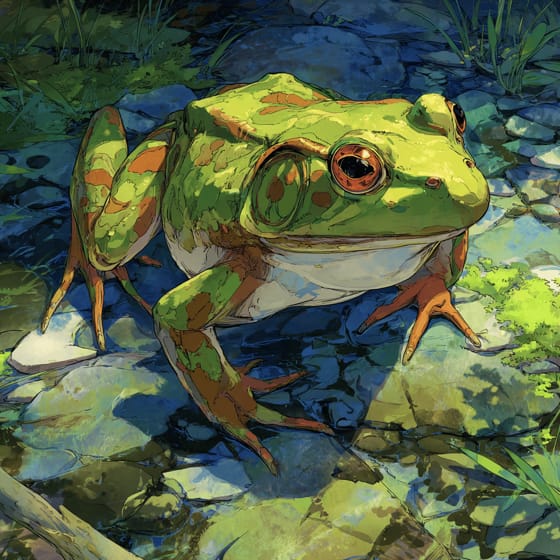
Rana catesbeiana
adults are prey for frogs
Gambusia affinis
eats dragonfly larvae
Solitary animals live alone for most of their lives, only interacting with others for mating or parental care.
Aerial creatures spend a significant portion of their lives airborne, utilizing flight for various activities such as hunting, migration, or nesting.
Colorful describes organisms or objects displaying a wide range of bright and distinct colors.
This trait identifies organisms whose diet primarily consists of insects and other small invertebrates.

This habitat trait identifies species found in wetlands, which are areas of land saturated with water, either permanently or seasonally, including marshes, swamps, and bogs.

Diurnal animals are primarily active during daylight hours, typically resting or sleeping at night.

Freshwater habitats include non-saline aquatic environments such as rivers, lakes, ponds, and wetlands, vital for numerous species.

This trait identifies organisms that exhibit exceptional swiftness in movement for hunting, escape, or travel.

Describes organisms that transfer pollen, enabling the fertilization and reproduction of plants.
No aliases listed yet.
Danger
1/5 · Very low
Dragonflies are friendly and won't hurt you, but it's best to watch them from a distance.
The easiest way to identify Cardinal Meadowhawk is to use the Snappit nature identifier app.
50-65 mm
30-45 mm
30-90 days
25 km/h
These flying hunters eat small insects like mosquitoes, catching them in mid-air!
Wetlands
Pursuit
Zoom in to split clusters and explore where this object has been snapped.
May 24, 2026
James Cant RanchPhoto attribution
(c) John Clonce, some rights reserved (CC BY)
License: CC BY 4.0 ↗
Image may be shown cropped inside the card frame.

Oregon, US
You might spot Duck, Pacific Trillium, and Wood Duck.
View guide →

Oregon, US
You might spot Oregon Oak, Pacific Poison Oak, and American Bullfrog.
View guide →

California, US
You might spot Pipevine Swallowtail and Western Fence Lizard.
View guide →

California, US
You might spot Mule Deer, Turkey, and Duck.
View guide →

Washington, US
You might spot Tiger, Walrus, and Polar Bear.
View guide →

Washington, US
You might spot Duck, Western Sword Fern, and Rock Pigeon.
View guide →
Take the discovery with you
Snap it with Snappit to identify it, learn what makes it special, and add the discovery to your collection.








.jpg&width=800)



