




Anole

Step back in time through the Icehouse Historic District, an immaculately preserved slice of early 20th-century Selma, Alabama.
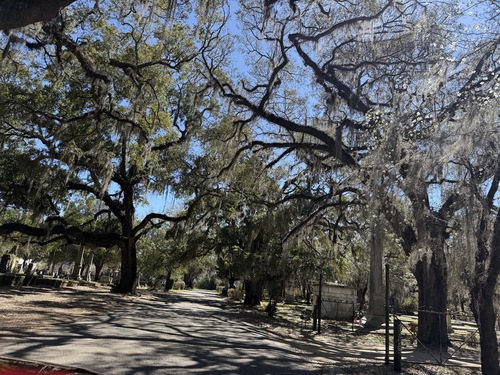
Step back in time through the Icehouse Historic District, an immaculately preserved slice of early 20th-century Selma, Alabama. This captivating district, sprawling across 116 acres, invites visitors to explore a cohesive neighborhood brimming with historical residences and tree-lined streets. It stands as a testament to the city's architectural heritage and community development during a pivotal era.
The district boasts a remarkable collection of 213 contributing buildings, showcasing a rich tapestry of architectural styles including Tudor Revival, American Craftsman, and Colonial Revival. Primarily featuring small wood-frame and brick residences constructed between the 1900s and 1930s, the Icehouse Historic District provides an authentic look at residential life from that period. Beyond the homes, an elementary school, and the remnants of an abandoned horse track, stable, and riding ring add unique historical layers to the landscape.
Visiting the Icehouse Historic District is an immersive journey into Selma's past, perfect for history enthusiasts and those who appreciate well-preserved architecture. It offers picturesque streetscapes and a tranquil atmosphere for leisurely strolls, making it a memorable destination for photography and quiet reflection. The district's designation on the National Register of Historic Places underscores its significant value and charm, promising a fascinating exploration of regional history. Planning to visit? Download the Snappit app to identify the wildlife you spot in real-time.
The Icehouse Historic District developed primarily as a residential neighborhood in Selma, Alabama, during the early decades of the 20th century. Its buildings largely date from the 1900s to the 1930s, reflecting the architectural trends and community growth of that period. Recognizing its significant historical and architectural value, the Icehouse Historic District was officially added to the National Register of Historic Places on June 28, 1990. This designation acknowledges its importance in preserving the unique heritage and character of Selma.
Take a self-guided walking tour to appreciate the intricate designs and historical significance of the buildings. Capture photographs of the unique architectural styles and charming streetscapes. Immerse yourself in the quiet, historic atmosphere that characterizes the district.
Summers can be hot and humid in Alabama, so plan visits for cooler parts of the day if traveling during this season. Winters are generally mild. The district's residential nature means it's accessible year-round, with seasonal foliage adding different visual appeal.
As a residential district, the area is generally accessible via public sidewalks and streets, suitable for walking and strollers.
The diverse collection of early 20th-century residential architecture, including examples of Tudor Revival, American Craftsman, and Colonial Revival styles. Look for well-preserved wood-frame and brick homes. The overall ambiance of a historic, tree-lined residential neighborhood is a key draw. While not an exhibit in the traditional sense, the area also includes an elementary school and the historical remnants of an abandoned horse track, stable, and riding ring, offering glimpses into past community life.
Each card links to a full Explore page with photos, traits, and fun facts.
Start with the big picture, then zoom in to explore individual wildlife observations around this place.
Wear comfortable shoes for walking the neighborhood streets.
Bring a camera to capture the diverse architectural styles and charming historical street views.
Respect the privacy of residents as this is an active residential area.
Consider combining your visit with other historic attractions in Selma, such as the Edmund Pettus Bridge or Sturdivant Hall Museum, for a richer historical experience.
Look for details in the craftsmanship of the homes, such as unique porch designs, window styles, and decorative elements.
Mar 21, 2025
Photo attribution
(c) Brandon Corder, some rights reserved (CC BY)
License: CC BY 4.0 ↗
Image may be shown cropped inside the card frame.
Nov 17, 2024
Photo attribution
(c) sblumen, some rights reserved (CC BY)
License: CC BY 4.0 ↗
Image may be shown cropped inside the card frame.
Nov 17, 2024
Photo attribution
(c) sblumen, some rights reserved (CC BY)
License: CC BY 4.0 ↗
Image may be shown cropped inside the card frame.
Mar 14, 2026
Mar 14, 2026

Maryland, US
You might spot White-Tailed Deer and Eastern Gray Squirrel.
View guide →
.jpg)
District of Columbia, US
You might spot Eastern Gray Squirrel, Duck, and House Sparrow.
View guide →

Illinois, US
You might spot American Robin, Canada Goose, and House Sparrow.
View guide →

Virginia, US
You might spot Spotted Lanternfly and Northern Cardinal.
View guide →
Take the discovery with you
Identify the wildlife you spot, learn as you go, and keep a collection of the adventure.