_dorsal.jpg&width=800)





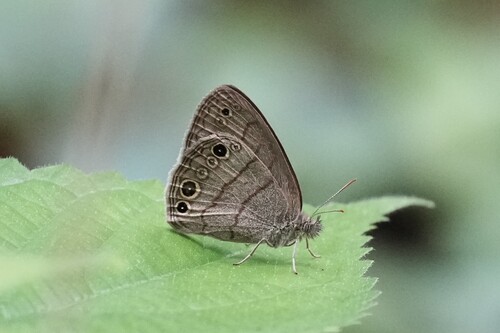
Carolina Satyr
hermeuptychia sosybius
The Carolina Satyr is a beautiful butterfly that loves to flutter around fields and forests. It has lovely brown wings with eye spots that help it blend in with its surroundings!
Habitat: Fields, forests, and grassy areas.
The Carolina Satyr has brownish-gray wings with two prominent, dark-ringed eyespots on each hindwing, often with bright yellow centers. Its undersides are paler with intricate wavy lines. This drab coloration helps it perfectly blend into shaded, leafy environments, distinguishing it from brighter butterflies.
Category
InsectsRarity
Common
Danger
0/5 · No known danger
Snaps
7
Adult Carolina Satyrs often 'taste' with their feet!
Satyrs are named after mythical forest creatures!
Their caterpillars munch on many different types of grasses.
They prefer to sip tree sap or rotting fruit over flower nectar.
Carolina Satyr has large eyespots on its wings that trick predators into striking a less vital body part.
Carolina Satyr can disappear into shaded forest floors because of its muted brown and gray wing patterns.
Carolina Satyr flies close to the ground, using dense vegetation as cover to quickly avoid detection by predators.
Caterpillars munch on grasses, while adults primarily drink tree sap and juices from rotting fruit!
Age differences: Caterpillars are herbivorous, feeding on grasses. Adults are primarily detritivores, feeding on liquids from decaying organic matter.
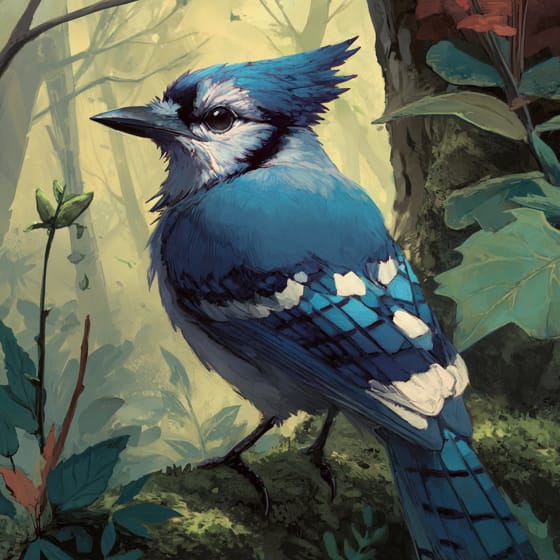
Cyanocitta cristata
A common bird predator in its habitat.
Anolis carolinensis
Lizards often prey on low-flying insects.
Paspalum notatum
A common larval food plant in its range.
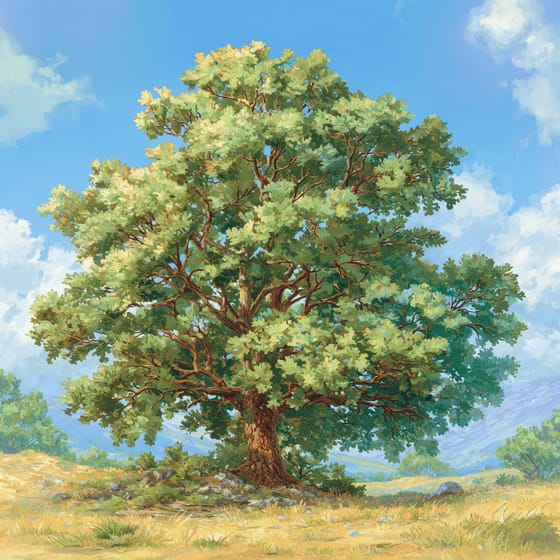
Quercus alba
Adults feed on sap from various tree species, including oaks.
Social animals live in organized groups, cooperating for survival benefits such as foraging, defense, and raising offspring.
Colorful describes organisms or objects displaying a wide range of bright and distinct colors.
Grassland habitats are terrestrial biomes dominated by grasses and herbaceous plants, supporting a variety of grazing animals.
Forest habitats are terrestrial environments dominated by dense tree cover, supporting a high diversity of plant and animal life.

Diurnal animals are primarily active during daylight hours, typically resting or sleeping at night.
Danger
0/5 · No known danger
No special safety notes yet.
The easiest way to identify Carolina Satyr is to use the Snappit nature identifier app.
38-48 mm
13-19 mm
5-10 days
Caterpillars munch on grasses, while adults primarily drink tree sap and juices from rotting fruit!
Fields, forests, and grassy areas.
Foraging
6
Zoom in to split clusters and explore where this object has been snapped.
Jun 7, 2026
Locust Grove State Historic SitePhoto attribution
(c) Brandon Johnson, some rights reserved (CC BY)
License: CC BY 4.0 ↗
Image may be shown cropped inside the card frame.

Georgia, US
You might spot Common Vetch, Tiny Bluet, and Carolina Crane's-Bill.
View guide →

Louisiana, US
You might spot Mississippi River Wakerobin and Lyreleaf Sage.
View guide →

Alabama, US
You might spot Dwarf Palmetto and Sensitive Fern.
View guide →

South Carolina, US
You might spot Fiery Skipper, Clouded Skipper, and Carolina Satyr.
View guide →

South Carolina, US
You might spot Brown-Headed Cowbird and Eastern Box Turtle.
View guide →

Florida, US
You might spot Great Blue Skimmer, Blue Dasher, and Queen.
View guide →
Take the discovery with you
Snap it with Snappit to identify it, learn what makes it special, and add the discovery to your collection.







.jpg&width=800)


