





Cardinal Flower

Bottle Creek Indian Mounds offers a profound journey into Alabama's rich prehistoric past.
Bottle Creek Indian Mounds offers a profound journey into Alabama's rich prehistoric past. This National Historic Landmark, nestled deep within the Mobile-Tensaw River Delta, is the second largest mound site in Alabama and the most extensive Mississippian culture complex on the central Gulf Coast. It preserves the significant remnants of a thriving ancient civilization, providing a unique window into the lives and intricate societies of the Mississippian people.
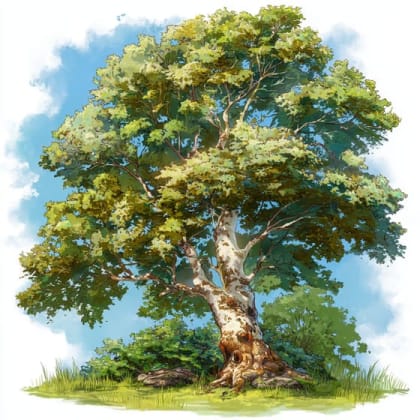
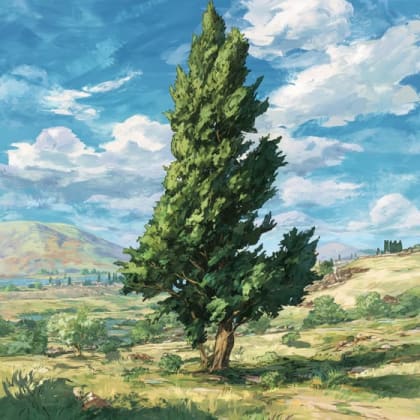
The site features an impressive collection of over 18 earthen mounds, with the tallest, known as Mound A, rising approximately 52 feet (16 meters) above the swampy terrain. Five of these monumental structures are strategically arranged around what was once a central plaza, indicating a complex and organized community. Surrounded by the lush, intricate waterways of the Mobile-Tensaw Delta—often referred to as "America's Amazon"—the site is enveloped by towering cypress and tupelo trees, creating a stunning and historically rich landscape.
Visiting Bottle Creek Indian Mounds is an unparalleled adventure, connecting you directly to the ingenuity and spiritual depth of its ancient inhabitants. The remote, water-only access enhances the sense of discovery, allowing the site to remain remarkably pristine, much as it appeared to early European explorers centuries ago. This unique journey through a vibrant delta ecosystem, abundant with native wildlife, combined with the interpretive insights into a sophisticated prehistoric culture, creates an unforgettable and deeply reflective experience. Eager to name that creature? Identify any animal you find during your visit using the Snappit app.
The Bottle Creek Indian Mounds were occupied by the Mississippian people, specifically those of the Pensacola culture, between approximately 1250 CE and 1550 CE. During this period, it served as a crucial political, religious, and trade center, demonstrating connections with other Mississippian cultural areas, including the larger Moundville complex to the north. Archaeological evidence suggests that the Bottle Creek site might have been established as a colonization event by people from Moundville. The site continued to hold significance even after its primary occupation, with local Indigenous groups like the Mobilians still revering it in the early 18th century. French explorer Jean-Baptiste Le Moyne de Bienville, the founder of Mobile, is believed to have visited the mounds in 1702, encountering sacred effigies there. Its remote location within the Mobile-Tensaw Delta played a critical role in preserving the mounds from the extensive plundering that affected many other archaeological sites in the Southeast. In recognition of its immense historical and cultural value, Bottle Creek Indian Mounds was designated a National Historic Landmark on March 10, 1995.
Participate in a guided tour to gain in-depth historical and cultural insights from knowledgeable guides. Explore the trails on Mound Island to witness the scale of the mounds up close and immerse yourself in the natural delta environment. Look for wildlife such as wading birds, alligators, and turtles during your water journey.
Summer months bring high heat, intense humidity, and a proliferation of insects, making visits less comfortable. Tidal variations can also affect tour access throughout the year.
Bottle Creek Indian Mounds is uniquely accessible only by watercraft. Individual, unguided visits are strongly discouraged due to the site's remote location, the challenging delta environment, and the presence of wild animals. Guided tours, typically departing from Stockton, Alabama, are the recommended and safest way to experience the site. The trails on Mound Island are natural, narrow footpaths, not paved or formally maintained for accessibility.
The primary highlights are the more than 18 earthen mounds themselves, especially Mound A, which stands approximately 52 feet tall. Visitors can observe the layout of the central plaza, once surrounded by five major mounds, and the "borrow pits" where the ancient builders extracted earth. The scenic boat journey through the Mobile-Tensaw Delta, with its cypress and tupelo trees, is also a significant part of the experience.
Each card links to a full Explore page with photos, traits, and fun facts.
Start with the big picture, then zoom in to explore individual wildlife observations around this place.
Book a Guided Tour
** For safety and comprehensive interpretation, always book a guided tour through an authorized outfitter. This is the only recommended way to visit.
Timing is Key
Plan your visit for late fall through early spring to avoid the intense summer heat, humidity, and peak insect activity.
Prepare for the Outdoors
Bring plenty of insect repellent, sun protection (hat, sunscreen), and ample water. The delta environment can be challenging.
Dress Appropriately
Wear comfortable, sturdy footwear suitable for walking on unpaved, potentially damp or uneven natural trails.
Be Wildlife Aware
The Mobile-Tensaw Delta is home to diverse wildlife, including alligators and snakes. Stay aware of your surroundings and follow your guide's instructions.
Practice Leave No Trace
As a protected historic and natural site, it is crucial to leave no trace of your visit. Pack out everything you pack in and do not disturb any archaeological features or natural elements.
Apr 17, 2026
Apr 17, 2026
Mar 28, 2026
Jan 24, 2026
Jan 11, 2026

Maryland, US
You might spot White-Tailed Deer and Eastern Gray Squirrel.
View guide →
.jpg)
District of Columbia, US
You might spot Eastern Gray Squirrel, Duck, and House Sparrow.
View guide →

Illinois, US
You might spot American Robin, Canada Goose, and House Sparrow.
View guide →

Virginia, US
You might spot Spotted Lanternfly and Northern Cardinal.
View guide →
Take the discovery with you
Identify the wildlife you spot, learn as you go, and keep a collection of the adventure.







.jpg&width=800)







.jpg&width=800)






