





Carpathian lynx
Lynx lynx carpathicus
The Carpathian lynx is a beautiful wild cat with tufted ears and a short tail. It loves to roam in the forests and mountains, hunting for small animals. This cat is very shy and prefers to stay hidden.
Habitat: Mountain regions
The Carpathian lynx has a beautiful russet-grey coat, often with prominent dark spots and stripes. It features distinctive long black ear tufts, a short "bobbed" tail with a black tip, and a noticeable facial ruff.
Category
MammalsRarity
Common
Danger
3/5 · Moderate
Snaps
Be the first to snap!
A lynx's bobbed tail is like a natural rudder for quick turns.
Each lynx has unique spot patterns, like human fingerprints!
Their powerful hind legs allow incredible leaps over obstacles!
They are solitary hunters, preferring to stalk alone in the forest.
Carpathian lynx has large padded paws that help them move silently through snow and forests, surprising prey.
Carpathian lynx can rotate their distinctive ear tufts to pinpoint tiny sounds from far away, locating hidden prey.
Carpathian lynx has large, reflective eyes that help them see perfectly in very low light conditions for night hunting.
A skilled hunter of small to medium-sized mammals and birds in the forest.
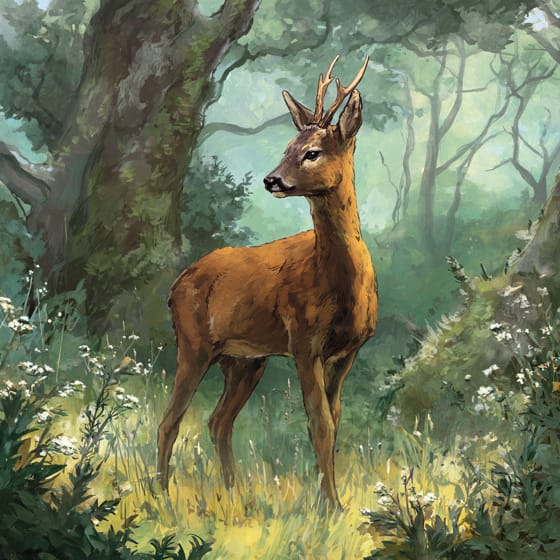
Capreolus capreolus
Primary food source in their mountain habitat.

Rupicapra rupicapra
Expertly stalks these agile mountain dwellers.

Lepus europaeus
Supplements their diet with smaller, swift prey.
Canis lupus
Wolf packs may occasionally prey on young lynx or compete for food.
Furry describes animals possessing a dense covering of soft hair or fur.
Marked with spots or patches of a different color.
Solitary animals live alone for most of their lives, only interacting with others for mating or parental care.
This habitat trait identifies species found in mountainous regions, characterized by high elevation, steep slopes, and varying climate zones.

An ambush predator hunts by patiently waiting and concealing itself, then launching a sudden attack when unsuspecting prey comes within range.

Forest habitats are terrestrial environments dominated by dense tree cover, supporting a high diversity of plant and animal life.

This trait identifies organisms whose diet consists entirely or primarily of animal tissue.

Describes a species whose presence and role have a disproportionately large effect on its environment.

Nocturnal animals are primarily active during the nighttime hours, typically resting or sleeping during the day.

Endangered status indicates a species is at a very high risk of extinction in the wild in the near future.
No aliases listed yet.
Danger
3/5 · Moderate
If you see a wild animal, it's best to watch from a distance and not approach it.
The easiest way to identify Carpathian lynx is to use the Snappit nature identifier app.
80-130 cm
18-38 kg
10-15 years
80 km/h
A skilled hunter of small to medium-sized mammals and birds in the forest.
Mountain regions
Ambush
Zoom in to split clusters and explore where this object has been snapped.
Recent snaps will appear here as new observations are added.
Take the discovery with you
Snap it with Snappit to identify it, learn what makes it special, and add the discovery to your collection.






.jpg&width=800)


.JPG&width=800)



.jpg&width=800)
