





Carpenter Sawyer Beetle
Monochamus sartor
The Carpenter Sawyer Beetle is a big, long beetle that loves to munch on wood! They have long antennae and can be found in forests, where they help break down dead trees.
Habitat: Forests
The Carpenter Sawyer Beetle is a robust beetle with a mottled grey-brown body, perfectly blending with tree bark. Its most distinctive feature is its exceptionally long antennae, which can be up to twice the length of its body, especially in males.
Category
InsectsRarity
Common
Danger
1/5 · Very low
Snaps
Be the first to snap!
If disturbed, some sawyer beetles can make a loud squeaking sound to scare you away!
Larvae can live inside wood for several years before transforming into adult beetles!
Their antennae can be twice as long as their body, like wearing super long arms!
These beetles help recycle dead trees, clearing the forest floor for new plants to grow!
Carpenter Sawyer Beetle larvae can bore intricate tunnels deep into tree wood because of their powerful jaws that help them feed and grow for years.
Carpenter Sawyer Beetles have incredibly long antennae that help them sense chemicals from host trees or find mates from far away.
The Carpenter Sawyer Beetle has a mottled grey and brown body pattern that helps it camouflage perfectly against tree bark, hiding from predators.
Larvae munch on dead conifer wood, while adults nibble on bark and needles.
Age differences: Larvae feed exclusively on wood, while adults feed on the bark of twigs, needles, and sometimes sap.
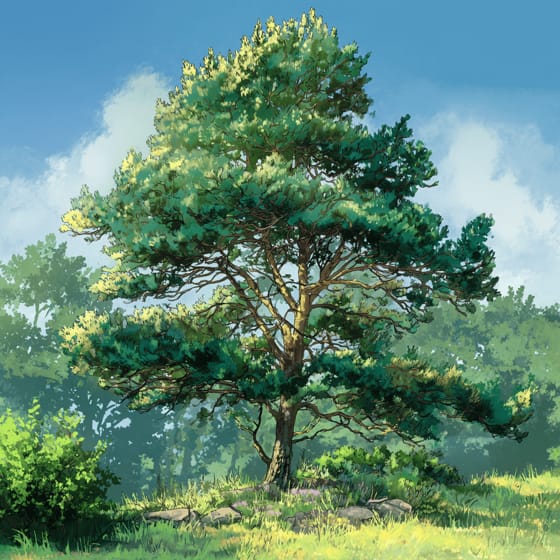
Pinus sylvestris
Larvae bore into its dead or dying wood.
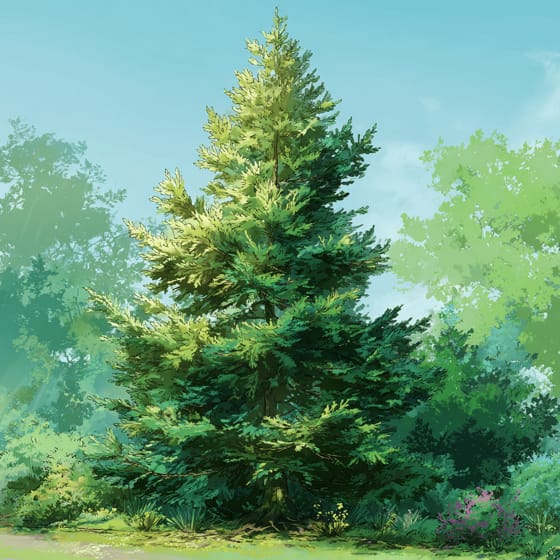
Picea abies
Larvae bore into its dead or dying wood.
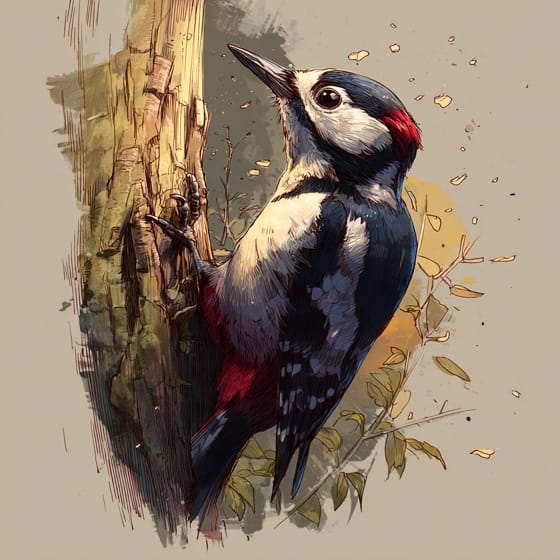
Dryobates major
Feeds on larvae and adults found in wood.
Rhyssa persuasoria
Lays eggs on larvae, which are then consumed.
Solitary animals live alone for most of their lives, only interacting with others for mating or parental care.
Arboreal animals live primarily in trees, utilizing them for shelter, food, and protection from predators.
This trait characterizes organisms whose diet consists entirely or primarily of plant material.
Describes organisms that break down dead organic material, recycling nutrients back into the ecosystem.

Forest habitats are terrestrial environments dominated by dense tree cover, supporting a high diversity of plant and animal life.

Describes a species whose presence and role have a disproportionately large effect on its environment.

Giant describes organisms or objects of significantly larger size than average for their species or type.
No aliases listed yet.
Danger
1/5 · Very low
Be careful not to touch beetles you find; they are best admired from a distance!
The easiest way to identify Carpenter Sawyer Beetle is to use the Snappit nature identifier app.
50-80 mm
25-40 mm
30-90 days
Larvae munch on dead conifer wood, while adults nibble on bark and needles.
Forests
Foraging
6
Zoom in to split clusters and explore where this object has been snapped.
Recent snaps will appear here as new observations are added.
Take the discovery with you
Snap it with Snappit to identify it, learn what makes it special, and add the discovery to your collection.








.jpg&width=800)


