





Cascara
Frangula purshiana
Cascara is a small tree or shrub that grows in forests. It has shiny leaves and produces small berries that are loved by birds. People also use its bark for medicine!
Habitat: Forests
The Cascara has thin, reddish-brown bark that often looks like cinnamon and smooth, oval leaves with prominent veins. Its tiny, greenish-yellow flowers bloom in clusters, later developing into small, dark purple-black berries.
Category
PlantsRarity
Common
Danger
2/5 · Low
Snaps
2
Cascara bark must be aged for at least one year before it can be used safely!
Its name "Cascara Sagrada" means "sacred bark" in Spanish!
Many butterflies and moths visit Cascara's small flowers for a sweet sip of nectar.
The inner bark turns bright yellow when exposed to air, then darkens over time.
Cascara has special compounds in its bark that have been used for traditional medicine for centuries to help tummy troubles.
It grows small, dark berries that birds love to eat, helping the tree spread its seeds to new places.
Apis mellifera
Collects nectar from its tiny flowers
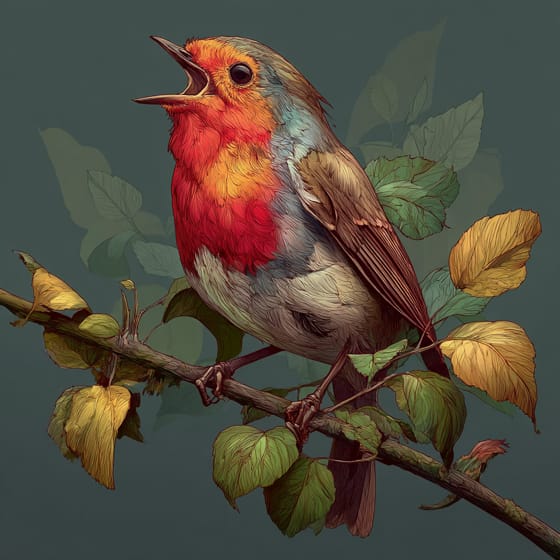
Turdus migratorius
Feeds on its small, dark purple berries
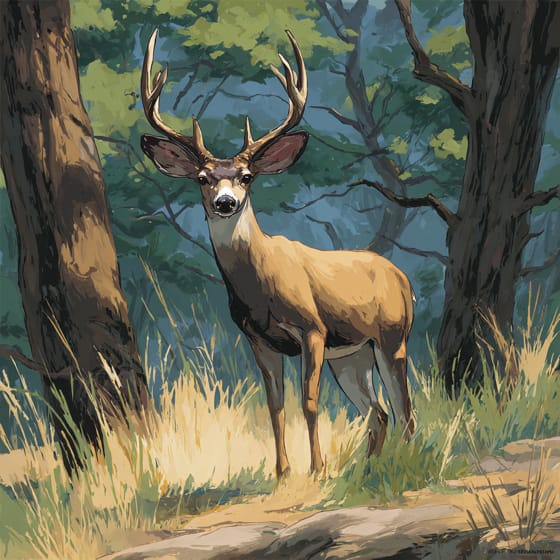
Odocoileus hemionus
Browses its leaves and young twigs
Ornamental plants are cultivated primarily for their aesthetic appeal, enhancing landscapes and gardens with their attractive foliage, flowers, or form.
A shrub is a woody plant smaller than a tree, typically with multiple stems branching from or near the ground.
Broadleaf trees are angiosperms characterized by flat, wide leaves that are typically shed annually in temperate climates.
Evergreen plants retain their foliage throughout the year, never shedding all their leaves at once.

Fruit-bearing plants produce fruits, which are the mature ovaries of flowering plants containing seeds.

Medicinal plants possess chemical compounds that can be used for therapeutic purposes to treat illnesses or maintain health.

Edible plants are those parts of a plant that are considered safe for human consumption.

Forest habitats are terrestrial environments dominated by dense tree cover, supporting a high diversity of plant and animal life.
Danger
2/5 · Low
Do not eat any part of the plant without asking an adult first.
The easiest way to identify Cascara is to use the Snappit nature identifier app.
400-1500 cm
200-800 cm
0.3-0.6 cm
Late Spring - Early Summer
No
Mild
Perennial
Zoom in to split clusters and explore where this object has been snapped.

Oregon, US
You might spot Pacific Trillium, Giant White Fawn Lily, and Candy Flower.
View guide →

California, US
You might spot Pacific Banana Slug, Redwood, and Elk.
View guide →

British Columbia, CA
You might spot Western Skunk Cabbage, Devil's Club, and Pacific Ninebark.
View guide →
Take the discovery with you
Snap it with Snappit to identify it, learn what makes it special, and add the discovery to your collection.








.jpg&width=800)


_001.jpg&width=800)


