_male.JPG&width=800)





Cassius Blue
Leptotes cassius
The Cassius Blue is a small, beautiful butterfly with bright blue wings. They love to flutter around flowers and are often seen in sunny places.
Habitat: Coastal areas
The Cassius Blue has iridescent violet-blue upperwings in males, while females are duller blue to brown. Their undersides are greyish-white, marked with distinctive dark spots and a zigzag line, often featuring two tiny tails on each hindwing.
Category
InsectsRarity
Common
Danger
1/5 · Very low
Snaps
6
Cassius Blue caterpillars often make a sweet liquid that attracts and rewards ants for protection!
The vibrant blue on the male's wings isn't paint, but tiny scales reflecting light like jewels!
These butterflies sometimes embark on long flights, journeying hundreds of miles to new territories.
Young Cassius Blue caterpillars munch on flowers, fruits, and seeds instead of just leaves!
Cassius Blue has tiny tails and eye-spots on its hindwings that trick predators into attacking the wrong end, allowing them to escape.
Cassius Blue can fold its wings to show a patterned underside, helping it blend perfectly with leaves and bark to avoid detection.
Cassius Blue can complete its life cycle quickly, allowing many generations to hatch within a single warm year.
Caterpillars munch on plant parts like flowers and fruits, while adult butterflies sip sweet nectar.
Age differences: Larvae (caterpillars) feed on various parts of host plants, but adults exclusively drink nectar from flowers.
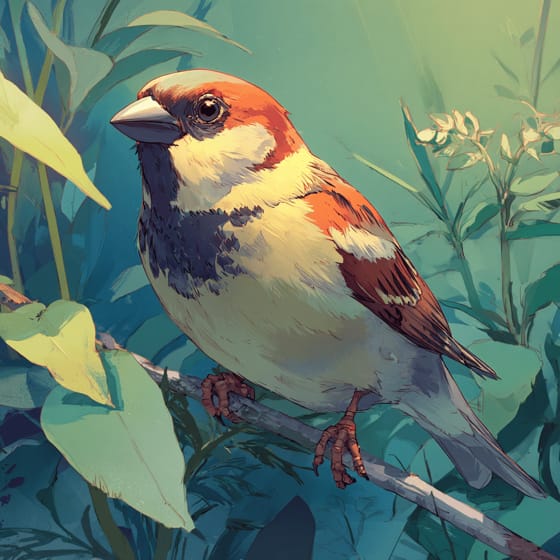
Passer domesticus
Birds prey on these butterflies.
Crematogaster lineolata
Ants protect larvae for honeydew.
.jpg&width=800)
Lantana camara
Adults visit flowers for nectar.
Senna obtusifolia
Caterpillars feed on its flowers.
Social animals live in organized groups, cooperating for survival benefits such as foraging, defense, and raising offspring.
Colorful describes organisms or objects displaying a wide range of bright and distinct colors.
This trait characterizes organisms whose diet consists entirely or primarily of plant material.
Describes plants that are particularly attractive and beneficial to a wide range of pollinating organisms.

Coastal habitats are dynamic environments located along the interface between land and sea, influenced by tides, waves, and saltwater.

Diurnal animals are primarily active during daylight hours, typically resting or sleeping at night.

Pertaining to species that are significantly smaller than typical or average for their kind.

Describes organisms that transfer pollen, enabling the fertilization and reproduction of plants.
No aliases listed yet.
Danger
1/5 · Very low
Always watch butterflies from a distance so they feel safe and happy.
The easiest way to identify Cassius Blue is to use the Snappit nature identifier app.
20-30 mm
8-15 mm
7-14 days
8 km/h
Caterpillars munch on plant parts like flowers and fruits, while adult butterflies sip sweet nectar.
Coastal areas
Foraging
Zoom in to split clusters and explore where this object has been snapped.

Florida, US
You might spot Brown Anole, White Ibis, and Anhinga.
View guide →

US
You might spot Nurse Shark, Sea Turtle, and Cownose Ray.
View guide →
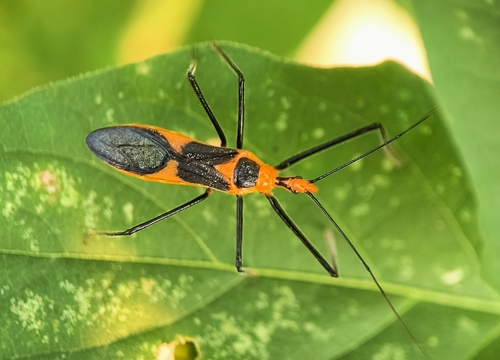
Florida, US
You might spot Milkweed Assassin Bug, Green Iguana, and White Beggarticks.
View guide →
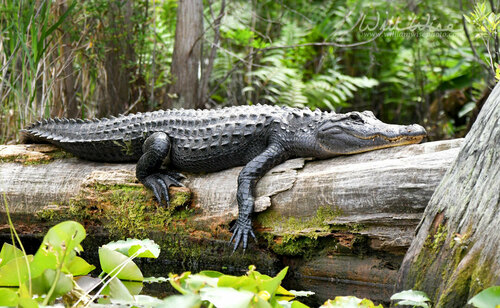
Florida, US
You might spot American Alligator, Common Gallinule, and Brown Anole.
View guide →

Florida, US
You might spot Red Junglefowl and Green Iguana.
View guide →

Florida, US
You might spot Pond Slider, Brown Anole, and Atala.
View guide →
Take the discovery with you
Snap it with Snappit to identify it, learn what makes it special, and add the discovery to your collection.







.jpg&width=800)



