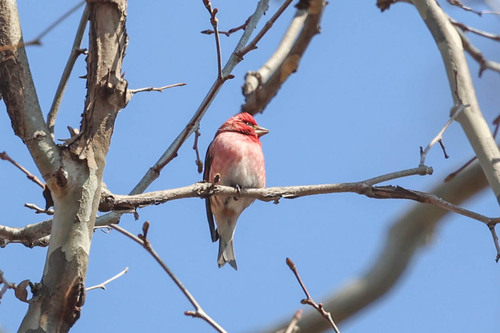
Eastern Box Turtle

Hedgesville Historic District preserves a rich tapestry of West Virginia history.
Hedgesville Historic District preserves a rich tapestry of West Virginia history. This captivating district, nestled in Berkeley County, West Virginia, encompasses approximately 29 acres of a thoughtfully planned 19th-century town. Listed on the National Register of Historic Places since 1980, it is celebrated for its significant architecture, historic community planning, role in early settlement, and even its military history. Here, visitors can explore over 50 contributing properties, primarily vernacular log and frame residences, churches, and commercial structures, many dating back to the early 19th century, all centered around the ancient and reliable Town Spring.
The district showcases a fascinating array of architectural styles, from robust vernacular log construction to elegant Greek Revival and intricate Carpenter Gothic influences. Key landmarks include the venerable Mt. Zion Episcopal Church, built around 1818, the distinctive Presbyterian Church from 1893, and charming early 19th-century homes such as the Jacob Hull Mansion and Bodine's Tavern. Wandering through, you'll encounter the Hedgesville Cemetery with its unique vernacular ironwork grave markers, and the Town Spring, which has been a lifeblood of the community for centuries.
A visit to the Hedgesville Historic District offers a unique opportunity to step back in time and experience a beautifully preserved example of a pre-Civil War town. It vividly illustrates its historical significance as a bustling rural community center, a convenient stopover for travelers along the historic Warm Springs Road, and a vital religious hub. The authentic blend of architectural styles and the palpable sense of history make it a truly memorable destination, perfect for those seeking to connect with West Virginia's rich past through self-guided exploration. Explore the grounds like a pro—download the Snappit app to instantly identify animals and plants.
The history of the Hedgesville Historic District is deeply rooted in the early settlement of West Virginia. The Hedges family began acquiring land in the area around 1738, laying the groundwork for the future town. During the French and Indian War in the 1750s, none other than George Washington supervised the construction of Fort Hedges, a stockade fort built for protection in Skinner's Gap. The town itself was formally laid out by Josiah Hedges in 1832. Hedgesville was officially established by an act of the Virginia General Assembly in 1836 and later incorporated in 1854. Its strategic location along the historic Warm Springs Road (now West Virginia Route 9), which connected Alexandria, Virginia, to Berkeley Springs, solidified its role as a significant rural community center and traveler's stop. The district's continued preservation reflects its importance in community planning, early settlement, and architectural development throughout the 19th century.
Embark on a self-guided walking tour to admire the diverse architectural styles, including Greek Revival, Carpenter Gothic, and traditional log construction.
* Photograph the well-preserved historic buildings and their unique details.
* Learn about the town's founding and its strategic importance by visiting historical markers.
* Explore the Hedgesville Cemetery to see unique ironwork grave markers.
* Participate in self-guided scavenger hunts often promoted for the downtown area to discover hidden gems.
Weather will be a primary consideration for comfortable walking. Fall foliage can enhance the scenic beauty of the area. There are no specific "animal activity" notes for this type of venue, but local events or festivals might occasionally highlight the district's history.
The district is generally accessible for viewing from public sidewalks and streets. Many of the historic buildings are private residences, so interior access is typically not available.
The original water source that drew settlers, a central and historic landmark.
A significant brick structure predating the town's establishment, offering a glimpse into early religious life.
Notable for its Carpenter Gothic influences and intricate interior details.
An impressive example of early 19th-century residential architecture.
Each card links to a full Explore page with photos, traits, and fun facts.



















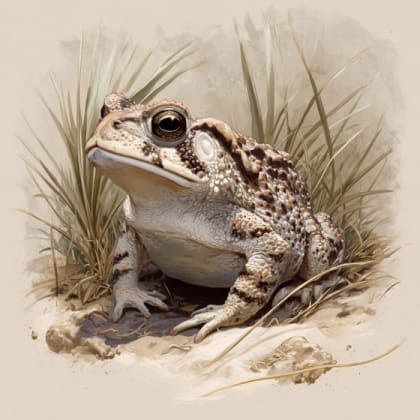













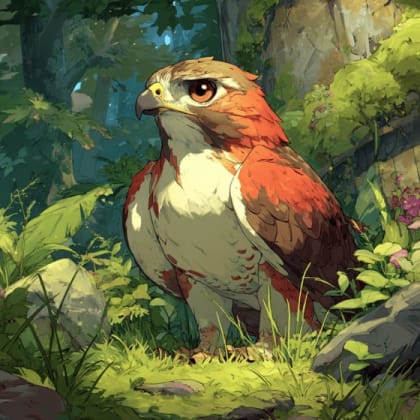






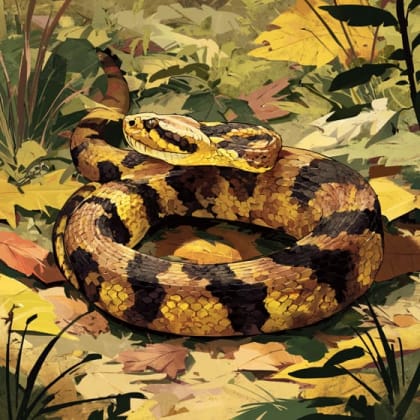









Start with the big picture, then zoom in to explore individual wildlife observations around this place.
Wear comfortable shoes
The best way to experience the district is on foot, so comfortable walking shoes are essential.
Bring a camera
The historic buildings and charming streetscapes offer numerous photographic opportunities.
Look for historical markers
Keep an eye out for informational plaques that provide context about individual buildings and the district's history.
Respect private property
Many of the historic buildings are private residences; please observe them from public areas.
Visit the Town Spring
This natural limestone spring was central to the town's founding and continues to be a significant site.
Consider a self-guided app
Search for "Hedgesville scavenger hunt" or "self-guided tour Hedgesville WV" for interactive ways to explore.
Mar 14, 2026
Photo attribution
(c) Tom Field, some rights reserved (CC BY)
License: CC BY 4.0 ↗
Image may be shown cropped inside the card frame.
Mar 14, 2026
Photo attribution
(c) Tom Field, some rights reserved (CC BY)
License: CC BY 4.0 ↗
Image may be shown cropped inside the card frame.
Mar 14, 2026
Photo attribution
(c) Christopher Evans, some rights reserved (CC BY)
License: CC BY 4.0 ↗
Image may be shown cropped inside the card frame.
Mar 14, 2026
Photo attribution
(c) Tom Field, some rights reserved (CC BY)
License: CC BY 4.0 ↗
Image may be shown cropped inside the card frame.
Mar 14, 2026
Photo attribution
(c) Tom Field, some rights reserved (CC BY)
License: CC BY 4.0 ↗
Image may be shown cropped inside the card frame.

Maryland, US
You might spot White-Tailed Deer and Eastern Gray Squirrel.
View guide →
.jpg)
District of Columbia, US
You might spot Eastern Gray Squirrel, Duck, and House Sparrow.
View guide →

Illinois, US
You might spot American Robin, Canada Goose, and House Sparrow.
View guide →

Virginia, US
You might spot Spotted Lanternfly and Northern Cardinal.
View guide →
Take the discovery with you
Identify the wildlife you spot, learn as you go, and keep a collection of the adventure.