
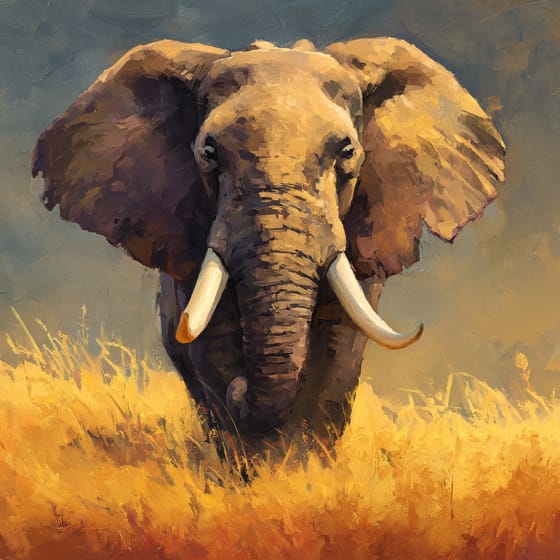
African Elephant
Roger Williams Park Zoo offers an unforgettable journey into the natural world.
Roger Williams Park Zoo offers an unforgettable journey into the natural world. As the third oldest zoo in the United States, founded in 1872, it spans 40 acres within the historic Roger Williams Park in Providence, Rhode Island, housing over 800 animals from more than 100 species in thoughtfully designed naturalistic habitats. It stands as a premier destination for wildlife enthusiasts and a beacon of conservation in New England.
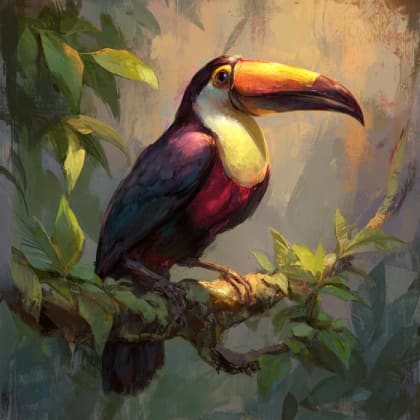
Visitors can embark on a global adventure, encountering magnificent creatures from diverse ecosystems. Highlights include the Fabric of Africa, where African elephants, Masai giraffes, cheetahs, and zebras roam, and the immersive Faces of the Rainforest, home to playful monkeys, slow-moving sloths, vibrant toucans, and even green anacondas. The Himalayan Trek brings guests face-to-face with elusive snow leopards, adorable red pandas, and imposing Bactrian camels, while the new Coastal Habitat showcases the charming Humboldt penguins.
Beyond captivating animal displays, Roger Williams Park Zoo is committed to fostering a love for wildlife and inspiring conservation efforts through engaging experiences and educational programs. With interactive exhibits like the Alex and Ani Farmyard, where guests can connect with domestic animals, and Hasbro's Our Big Backyard, a nature play space for all ages, the Zoo creates memorable moments that encourage a deeper appreciation for the planet's biodiversity. Don't forget to bring the Snappit nature identification app along to scan local species.
The Roger Williams Park Zoo first opened its doors in 1872, initially featuring a modest collection of small animals, such as raccoons, guinea pigs, and anteaters. In its early decades, the facility expanded its animal collection, spreading across Roger Williams Park and housing a variety of species including monkeys, bears, and big cats. However, by the mid-1960s, the zoo began to show signs of neglect. In response to this, Sophie Danforth founded the Rhode Island Zoological Society in 1962, a non-profit organization dedicated to raising public awareness and securing funds for improvements, which continues to support and manage the zoo today. A significant upgrade project saw the zoo temporarily close from 1978 to 1980 for renovations. A major milestone was achieved in 1986 when the Roger Williams Park Zoo became the first zoo in New England to earn accreditation from the Association of Zoos and Aquariums (AZA), signifying its commitment to high standards of animal care, welfare, and conservation. This marked a shift in focus, transforming the institution from a mere animal display to a prominent center for conservation and environmental education.
Explore the diverse habitats and view a wide array of species. Engage in animal encounters (some free, some with an additional fee) to get closer to certain animals. Ride the Woodlands Express train or experience the thrill of the Soaring Eagle Zip Ride (additional ticket required). Check the schedule for seasonal events and shows, such as the Canine Champions for Conservation Dog Show.
Winter (January-February) features "Winter Wonder Days" with discounted admission, and many cold-weather animals are particularly active. Some outdoor attractions and performances may be limited during colder months. Summer often brings special exhibits like "A Bug's World" and opportunities for animal encounters.
The Zoo is largely wheelchair-accessible, covering approximately 40 acres with paths just over a mile long. Manual wheelchairs and ECVs (Electronic Conveyance Vehicles) are available for rent at the main entrance. Service animals are permitted on Zoo grounds. The Woodlands Express train is wheelchair accessible for manual wheelchairs. For visitors with sensory processing disorders, sensory bags, social stories, headsets, fidgets, and quiet spaces are available, as the Zoo has partnered with Kulture City. It's important to note that some paths involve hills and uneven terrain, and specific accessibility details, such as some ticket counter heights and one men's restroom in the Menagerie building, may not meet all ADA guidelines.
Don't miss the African elephants and Masai giraffes in the Fabric of Africa, the stunning snow leopards in the Himalayan Trek, the captivating Humboldt penguins in the Coastal Habitat, and the vibrant ecosystem of the Faces of the Rainforest. The Alex and Ani Farmyard offers hands-on interaction with farm animals, and Hasbro's Our Big Backyard provides an engaging nature play area.
Each card links to a full Explore page with photos, traits, and fun facts.
Start with the big picture, then zoom in to explore individual wildlife observations around this place.
Arrive Early
Especially on weekends or holidays, arriving shortly after opening can help secure parking and allow you to see animals when they are often most active.
Utilize Free Parking
Take advantage of the free parking available in the Zoo's main lots, but be aware they can fill up on busy days.
Pack a Picnic
The Zoo allows outside food and drinks, so bringing your own can be a great way to save money and enjoy a meal amidst nature.
Consider Winter Wonder Days
For a unique and less crowded experience, visit during January or February when the Zoo offers half-price admission and cold-weather animals are often lively.
Wear Comfortable Shoes
With over a mile of paths and 40 acres to explore, comfortable footwear is essential for a full day of walking.
Check for Rentals
Strollers, wheelchairs, and ECVs are available for rent at the main entrance if needed, ensuring a comfortable visit for everyone.
Jun 5, 2026
Jun 5, 2026
Jun 4, 2026
Jun 4, 2026
Jun 4, 2026

Michigan, US
You might spot African Lion, Komodo Dragon, and Brown Bear.
View guide →
.jpg)
Municipal District of Cobh, IE
You might spot Ring-Tailed Lemur, Giraffes, and Cheetahs.
View guide →

Nouvelle-Aquitaine, FR
You might spot Greater Flamingo, Giraffes, and Red Panda.
View guide →

Texas, US
You might spot Giraffes, African Lion, and Eastern Black Rhinoceros.
View guide →
Take the discovery with you
Identify the wildlife you spot, learn as you go, and keep a collection of the adventure.