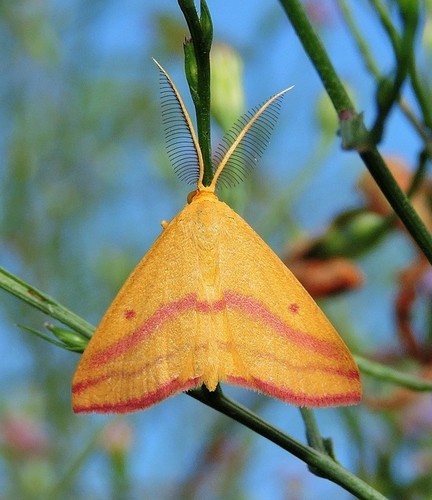


Chickweed Geometer Moth
haematopis grataria
The Chickweed Geometer Moth (Haematopis grataria) is a colorful, day-flying geometer moth native to North America. Known for its strikingly vibrant coloration, this small insect breaks the stereotype of dull, nocturnal moths by actively foraging under the warm sun. It can easily be spotted fluttering low over fields, lawns, and roadsides, where it adds a bright splash of color to the grassy landscape. This species plays a valuable role as a local pollinator and a food source for various insectivores. Its caterpillars, often referred to as inchworms due to their looping style of movement, feed on common herbaceous plants, making this moth a frequent visitor to suburban gardens and wild meadows alike.
Habitat: Found in open grassy areas, lawns, meadows, gardens, and agricultural fields where host plants are abundant.
The adult moth has a wingspan of approximately 2 to 2.5 centimeters. Its wings are bright yellow to pale orange, dramatically edged with a deep pink or reddish-pink border and adorned with a matching pink diagonal line running across both the forewings and hindwings. A small pink spot is also visible near the center of each wing. The body is slender and yellow, matching the background of the wings, making this elegant color combination highly distinct in its grassy habitats.
Category
InsectsRarity
Common
Danger
1/5 · Very low
Snaps
2
Despite being a moth, it is frequently mistaken for a butterfly due to its bright coloration and tendency to fly in broad daylight.
Its caterpillars are true inchworms belonging to the family Geometridae, which literally translates to earth-measurers.
The genus name Haematopis is derived from Greek words meaning blood-looking, referring to the distinct pinkish-red margins on its wings.
Unlike most moths that fly only at night, this species is highly active during the day, using bright sunlight to navigate and find mates.
As caterpillars, they move by drawing the rear of their body up to their front legs, forming a loop, which allows them to efficiently navigate thin stems.
The bright yellow and pink contrasting patterns on its wings may serve to startle or deter visual predators while resting on vegetation.
Larvae feed on low-growing herbaceous plants, while adults primarily drink nectar from various wildflowers.
Age differences: Caterpillars chew on leaves of low-growing plants, whereas adult moths drink liquid nectar using a proboscis.
.jpg&width=800)
Stellaria media
The caterpillars feed extensively on this plant as a primary host.
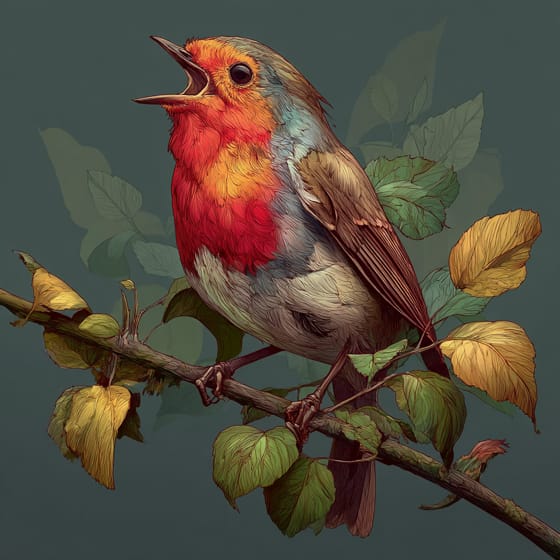
Turdus migratorius
Adults and caterpillars are preyed upon by this common garden bird.

Trifolium pratense
Serves as an alternate host plant for larval development.
No trait badges are assigned for this object yet.
No aliases listed yet.
Collections for this object will appear here as more themes are added.
Danger
1/5 · Very low
No special safety notes yet.
The easiest way to identify Chickweed Geometer Moth is to use the Snappit nature identifier app.
1-2 cm
2-3 cm
0.0001-0.0003 kg
8 km/h
Larvae feed on low-growing herbaceous plants, while adults primarily drink nectar from various wildflowers.
Found in open grassy areas, lawns, meadows, gardens, and agricultural fields where host plants are abundant.
Grazing
Zoom in to split clusters and explore where this object has been snapped.

Wisconsin, US
You might spot Common Eastern Bumble Bee, Red-Belted Bumble Bee, and Duck.
View guide →

Nebraska, US
You might spot Showy Milkweed and Straight-Lined Wave.
View guide →

Nebraska, US
You might spot American Robin and Hackberry Nipplegall Psyllid.
View guide →

Nebraska, US
You might spot Wabash Pigtoe, Three-Ridge Mussel, and Creeper.
View guide →
Take the discovery with you
Snap it with Snappit to identify it, learn what makes it special, and add the discovery to your collection.












.jpg&width=800)




