





Clark's Grebe
Aechmophorus clarkii
Clark's Grebe is a beautiful bird that loves to swim and dive in the water. It has a long neck and can be seen gliding gracefully across lakes and ponds.
Habitat: Wetlands
The Clark's Grebe has a sleek, long neck and a striking black and white body. Its white plumage extends above the eye, distinguishing it from similar grebes. It also boasts vibrant red eyes and a bright yellow-orange bill.
Category
BirdsRarity
Common
Danger
1/5 · Very low
Snaps
7
Baby grebes ride parents' backs for weeks, even underwater!
Their floating nests are anchored to submerged plants, keeping them from drifting away.
These birds often nest in huge groups, sometimes with hundreds of other grebes!
They perform an amazing "rushing" dance, running on water with a partner!
Clark's Grebe can dive quickly to catch slippery fish because of its streamlined body and powerful feet.
Clark's Grebe has strong back feathers that help them carry their babies safely across the water.
Clark's Grebe can slowly sink into the water, hiding from danger, because it can control its buoyancy.
Clark's Grebes are skilled divers that mostly eat small fish and aquatic insects.
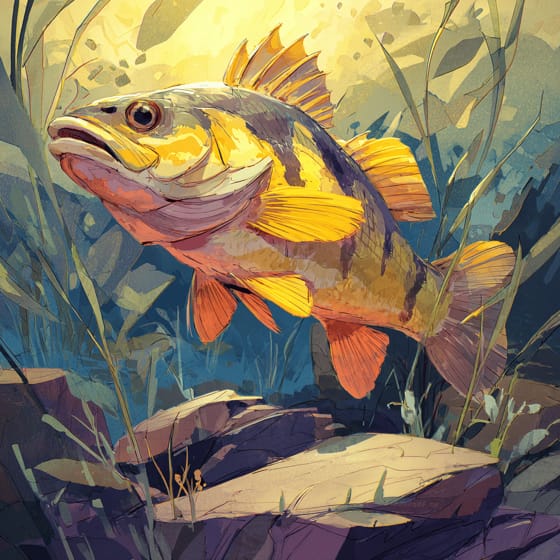
Perca flavescens
Common small fish they actively pursue.
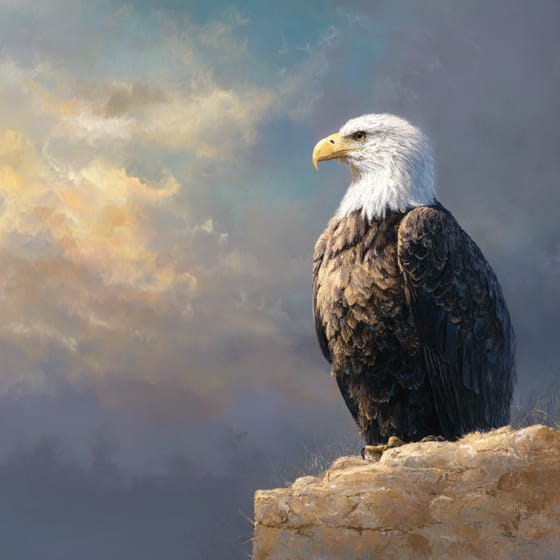
Haliaeetus leucocephalus
Large raptors can prey on grebe chicks and adults.
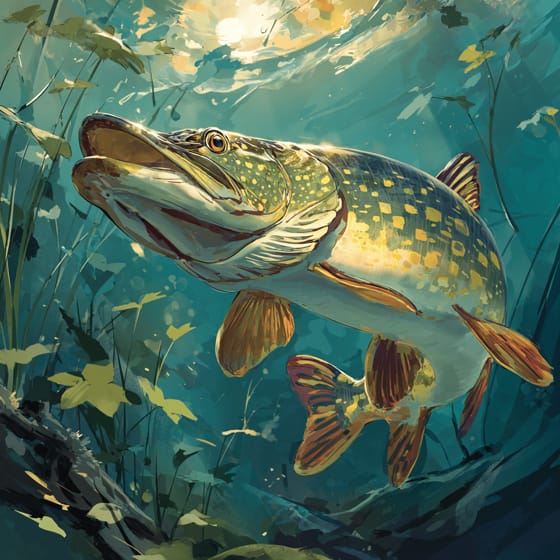
Esox lucius
Large predatory fish may ambush chicks or adults.

Aechmophorus occidentalis
Often nests in mixed colonies and sometimes interbreeds.
Feathered describes animals, primarily birds, possessing a covering of feathers.
Characterized by having toes connected by a membrane, typically aiding in swimming.
Social animals live in organized groups, cooperating for survival benefits such as foraging, defense, and raising offspring.
Filter feeders obtain nutrients by straining suspended food particles and small organisms from water.

Piscivorous organisms are animals that primarily subsist on a diet of fish.

This habitat trait identifies species found in wetlands, which are areas of land saturated with water, either permanently or seasonally, including marshes, swamps, and bogs.

Diurnal animals are primarily active during daylight hours, typically resting or sleeping at night.

Aquatic habitats encompass environments where organisms live predominantly in water, including oceans, rivers, lakes, and wetlands.

Migratory animals undertake seasonal movements from one region to another, typically in response to changes in climate or food availability.

Threatened status denotes a species likely to become endangered in the foreseeable future without effective conservation interventions.
No aliases listed yet.
Danger
1/5 · Very low
Always watch birds from a distance and don't disturb their nests.
The easiest way to identify Clark's Grebe is to use the Snappit nature identifier app.
51-74 cm
70-80 cm
0.9-1.5 kg
7-12 years
50 km/h
Clark's Grebes are skilled divers that mostly eat small fish and aquatic insects.
Wetlands
Zoom in to split clusters and explore where this object has been snapped.
Jun 3, 2026

California, US
You might spot Monarch, Canada Goose, and Western Gull.
View guide →

Wyoming, US
You might spot Hunt's Bumble Bee and Two-Spotted Bumble Bee.
View guide →

Wyoming, US
You might spot Moose, Snowbrush Ceanothus, and Black Bear.
View guide →

California, US
You might spot Anna's Hummingbird, House Finch, and White-Crowned Sparrow.
View guide →

Oregon, US
You might spot Western Ponderosa Pine and Red-Winged Blackbird.
View guide →

California, US
You might spot Sea Lion, Northern Elephant Seal, and Harbor Seal.
View guide →
Take the discovery with you
Snap it with Snappit to identify it, learn what makes it special, and add the discovery to your collection.




.jpg&width=800)








