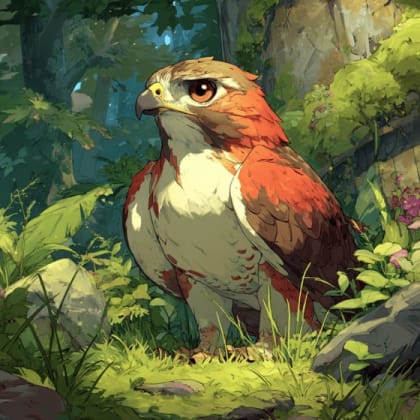





Red Tailed Hawk

Kentucky Camp offers a captivating journey into Arizona's rich mining and ranching past.
Kentucky Camp offers a captivating journey into Arizona's rich mining and ranching past.
Nestled within the stunning Santa Rita Mountains in the Coronado National Forest, Kentucky Camp is a beautifully preserved historic district, once a bustling gold mining headquarters and later a working cattle ranch. This unique ghost town, listed on the National Register of Historic Places, transports visitors back to the early 20th century with its collection of five century-old adobe buildings, offering a tangible connection to the rugged spirit of the American West. Beyond its historical allure, the camp is situated in a vibrant "sky island" ecosystem, boasting high desert grasslands, seasonal streams, and diverse plant and animal communities that create a rich natural tapestry.
The heart of Kentucky Camp lies in its meticulously maintained historic structures, including the substantial 10-room Headquarters Building, the Assay Office where gold samples were once processed, and two charming historic cabins. Visitors can explore these adobe buildings and discover remnants of their past, such as vintage mining equipment, notably a water cannon, providing insight into the ambitious hydraulic mining operations that once sought gold here. For nature lovers, the Arizona National Scenic Trail, specifically Passage 5, winds directly through the camp, inviting hikers, mountain bikers, and horseback riders to traverse rolling hills dotted with magnificent Emory oaks, grama grasses, junipers, yuccas, and mesquites. The area is also a renowned birding paradise, hosting over 256 documented bird species, including numerous hummingbirds and wood warblers, making it a prime spot for wildlife observation. Common sightings include white-tailed and mule deer, rabbits, and wild turkeys, while more elusive black bears, coatis, and bobcats also inhabit the diverse landscape.
Visiting Kentucky Camp is an immersive experience that blends history with breathtaking natural beauty. It's a place to soak in the tranquility of a bygone era, marvel at the dark night skies free from light pollution, and engage in a variety of outdoor activities. Whether you're peering into the past within an old adobe building, spotting a rare bird, or simply enjoying the panoramic vistas of the surrounding Santa Rita Mountains, Kentucky Camp offers memorable moments and a profound appreciation for both human endeavor and the resilience of the desert ecosystem. Don't forget to bring the Snappit nature identification app along to scan local species.
The story of Kentucky Camp began in 1874 with the discovery of rich placer gold deposits in the nearby Greaterville mining district, attracting over 500 miners to the area. However, by the late 1880s, the easy gold had been extracted, leading to a decline in mining activity. A new chapter unfolded in 1902 when mining engineer James Stetson and financier George McAneny formed the Santa Rita Water & Mining Company, aiming to revitalize gold extraction through hydraulic mining. The current five adobe buildings at Kentucky Camp, including the headquarters, were constructed in 1904 to serve as the company's base of operations. Tragedy struck in 1905 with the mysterious death of James Stetson, leading to the company's collapse and the abandonment of mining operations by 1906. The property then transitioned into a sprawling cattle ranch, serving as its headquarters until the 1960s. In 1989, the U.S. Forest Service acquired Kentucky Camp, integrating it into the Coronado National Forest. Since 1991, with the dedicated efforts of the Forest Service and the "Friends of Kentucky Camp" volunteer group, extensive preservation work has been undertaken to stabilize and restore the historic buildings, culminating in its listing on the National Register of Historic Places in 1994.
Explore the Historic Buildings: Wander through the restored adobe structures to imagine life in a turn-of-the-century mining camp and ranch.
* **Hike the Arizona Trail: ** Enjoy a segment of Passage 5, offering scenic views of the Santa Rita Mountains and opportunities for wildlife spotting.
* **Birdwatching: ** Bring your binoculars to discover the rich avian diversity of this "sky island" region.
* **Photography: ** Capture the rustic charm of the historic buildings against the backdrop of the high desert landscape.
* **Wildlife Viewing: ** Look for white-tailed deer, mule deer, rabbits, and wild turkeys roaming the area.
* **Stargazing: ** Experience exceptionally dark night skies, perfect for astronomy enthusiasts.
Spring and fall bring wildflowers and comfortable temperatures, making them excellent for hiking. Winter offers crisp, clear days, though nights can be cold. Summer can be hot, so plan activities for early mornings or late afternoons. Wildlife activity, particularly bird migrations, varies by season.
The final 5 miles to Kentucky Camp are on a dirt/gravel road. While passable by sedan, a high-clearance vehicle is recommended, especially after rain when the road can become slick. Parking is available a quarter-mile from the main camp, requiring a short walk. Vault toilets are on-site. Potable water is not available. The historic buildings are generally accessible, but may have uneven surfaces typical of historic sites.
The five original 1904 adobe buildings, including the 10-room Headquarters Building and the Assay Office, offer a glimpse into the past. The Arizona National Scenic Trail provides opportunities for scenic hikes. Keep an eye out for diverse wildlife, especially birds, deer, and turkeys.
Each card links to a full Explore page with photos, traits, and fun facts.
Start with the big picture, then zoom in to explore individual wildlife observations around this place.
Bring plenty of water
** Potable water is not available on-site, so carry enough for your entire visit, especially if you plan to hike.
Consider a high-clearance vehicle
The last 5 miles to Kentucky Camp are on a dirt road (Forest Service Road 163). While often passable by sedan, a high-clearance vehicle is recommended, particularly during or after wet weather when the road can be slick.
Wear appropriate footwear
Sturdy hiking shoes are advisable for exploring the historic site and navigating the trails.
Pack binoculars for wildlife
The area is rich in birdlife and other desert animals, making binoculars essential for optimal viewing.
Prepare for sun and varying temperatures: Arizona's sun can be intense; bring sunscreen, a hat, and layers of clothing, as temperatures can fluctuate throughout the day, especially in the "sky island" environment.
Practice Leave No Trace principles
Pack out everything you pack in to help preserve the natural beauty and historical integrity of Kentucky Camp. Cell phone coverage can be unreliable, so download maps beforehand.
May 29, 2026
Apr 29, 2026
Apr 29, 2026
Apr 11, 2026
Apr 11, 2026

Maryland, US
You might spot White-Tailed Deer and Eastern Gray Squirrel.
View guide →
.jpg)
District of Columbia, US
You might spot Eastern Gray Squirrel, Duck, and House Sparrow.
View guide →

Illinois, US
You might spot American Robin, Canada Goose, and House Sparrow.
View guide →

Virginia, US
You might spot Spotted Lanternfly and Northern Cardinal.
View guide →
Take the discovery with you
Identify the wildlife you spot, learn as you go, and keep a collection of the adventure.