
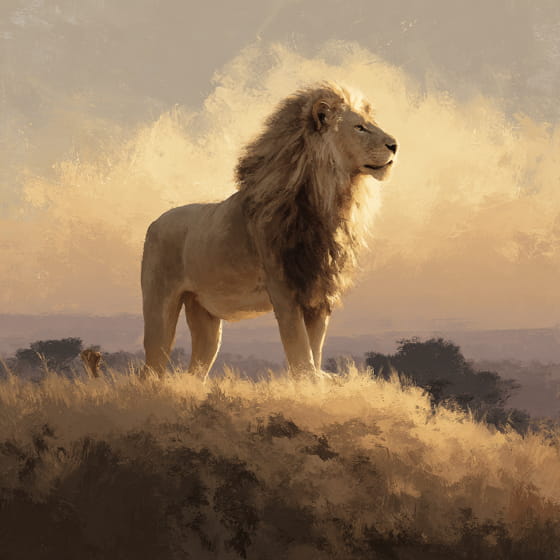
African Lion
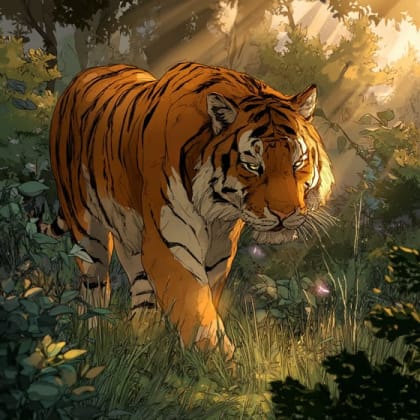
Shambala Preserve is a unique animal sanctuary in California dedicated to providing a lifelong haven for exotic big cats rescued from abuse and neglect.
Shambala Preserve is a unique animal sanctuary in California dedicated to providing a lifelong haven for exotic big cats rescued from abuse and neglect. Founded by actress Tippi Hedren, this non-profit organization champions the cause of wildlife welfare, offering a dignified existence for its "Wild Ones." It stands as a powerful educational platform, advocating against the private ownership of exotic animals and fostering a deeper understanding of these magnificent creatures.
Visitors to Shambala embark on guided "safaris" through natural desert habitats, encountering an array of majestic residents including African lions, powerful Siberian and Bengal tigers, stealthy leopards (both black and spotted), agile cougars (also known as mountain lions), and quick servals and bobcats. The preserve emphasizes large, natural enclosures, allowing these rescued animals to live in an environment that prioritizes their physical and mental well-being, a stark contrast to their past lives in circuses, roadside zoos, or private homes.
A visit to Shambala Preserve is more than just observing animals; it's an immersive experience into the world of exotic animal rescue and conservation. It offers a profound opportunity to connect with these incredible predators and learn their compelling stories, leaving visitors with a memorable understanding of the urgent need for wildlife protection and responsible animal care. Don't forget to bring the Snappit nature identification app along to scan local species.
The Shambala Preserve was established in 1972 by actress and conservationist Tippi Hedren, with The Roar Foundation, a 501(c)(3) non-profit organization, formally founded in 1983 to support its mission. The preserve initially began as an African-type set for the 1981 motion picture "Roar," a film co-produced by Hedren, in which she also starred alongside her daughter, Melanie Griffith. Hedren's commitment to animal welfare began in 1969 after witnessing the plight of African lions during filming in Africa. The sanctuary's purpose evolved out of a necessity to provide a home for exotic felines that were bred in the United States and then abandoned, neglected, or confiscated from private owners, circuses, and roadside zoos. Over its history, Shambala Preserve has provided sanctuary to more than 235 exotic felines, ensuring they live out their lives with dignity and expert care.
Participate in the guided walking tour to see the big cats, learn about their species and the sanctuary's conservation efforts. After the tour, visitors can explore the Trading Post for souvenirs or relax in the lake area where picnic tables are available. You can also learn about becoming a "Wild Parent" through their adoption program.
The preserve is located in a high desert environment in Acton, California. Summers are generally very warm, making hydration crucial. While rain can occur, it often clears quickly. Animals may be less active during the hottest parts of the day. Winter visits will require warmer clothing like a coat.
Shambala Preserve is wheelchair accessible; however, visitors should note that pathways are unimproved dirt and gravel, not paved roads, requiring advance notification. Comfortable, flat, closed-toe shoes are essential for navigating the uneven terrain.
The primary highlight is observing the majestic "Wild Ones" – African lions, Siberian and Bengal tigers, various leopards, cougars, servals, and bobcats – in their spacious, natural enclosures. Learning their individual rescue stories from knowledgeable guides is a central part of the experience.
Each card links to a full Explore page with photos, traits, and fun facts.
Start with the big picture, then zoom in to explore individual wildlife observations around this place.
Book in Advance
Safari tours operate only one weekend a month and fill up quickly, so make your reservations well in advance.
Wear Appropriate Footwear
The preserve has unimproved dirt pathways and uneven terrain, so comfortable, closed-toe shoes are a must.
Dress in Layers
Given the high desert climate, temperatures can fluctuate. Dress in cool layers and bring a hat, especially in summer. A coat is recommended for winter visits.
Stay Hydrated
Bring plenty of water, particularly during warmer months, as it can get very hot. While some water is sold, it's best to come prepared.
Bring a Camera
Photography for personal use is permitted, offering excellent opportunities to capture the majestic big cats. Remember to bring extra batteries or memory cards as these are not available for purchase on-site.
Maintain Distance and No Touching
Remember these are wild animals. Do not attempt to touch them, and always respect the safety guidelines provided by your guide.
May 30, 2026
May 22, 2026
May 15, 2026
May 15, 2026
Apr 30, 2026

Michigan, US
You might spot African Lion, Komodo Dragon, and Brown Bear.
View guide →
.jpg)
Municipal District of Cobh, IE
You might spot Ring-Tailed Lemur, Giraffes, and Cheetahs.
View guide →

Nouvelle-Aquitaine, FR
You might spot Greater Flamingo, Giraffes, and Red Panda.
View guide →

Texas, US
You might spot Giraffes, African Lion, and Eastern Black Rhinoceros.
View guide →
Take the discovery with you
Identify the wildlife you spot, learn as you go, and keep a collection of the adventure.