





Coastal Giant Salamander
Dicamptodon tenebrosus
The Coastal Giant Salamander is a big, friendly amphibian that loves to live in cool, moist places. With its smooth skin and bright colors, it's a special creature that helps keep nature healthy.
Habitat: Forests
The Coastal Giant Salamander is a large, robust amphibian with a broad head and dark eyes. It has a striking marbled pattern of dark brown or black on a lighter background of tan, olive, or grey, making it unique among its kind.
Category
AmphibiansRarity
Common
Danger
1/5 · Very low
Snaps
1
Their family of salamanders is considered one of the most ancient on Earth!
These giants are fierce predators, even eating other smaller salamanders!
They are the biggest terrestrial salamander in North America!
They can sometimes survive injuries by regrowing lost body parts!
Coastal Giant Salamander can bark or growl because of special throat muscles, helping them surprise and deter potential predators.
Coastal Giant Salamander can stay a larva forever because of their unique biology, helping them live their whole lives underwater.
A hungry hunter, it eats many forest creatures, from aquatic insects to small fish and even other salamanders!
Age differences: Young eat aquatic insects; adults add larger prey like fish, mice, and other salamanders.
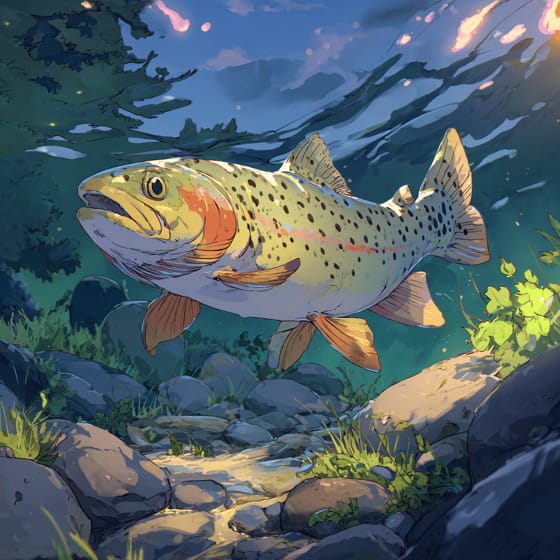
Oncorhynchus mykiss
hunts small trout in streams when opportunity arises.
Sorex vagrans
ambushes small mammals in damp forest habitats.
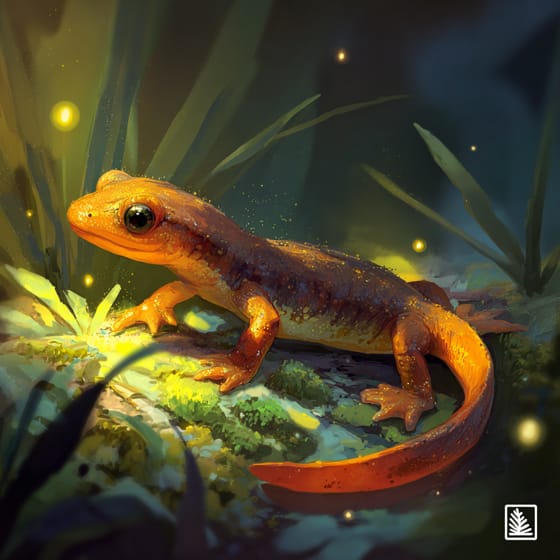
Taricha granulosa
can prey on smaller newts in their shared habitats.
Thamnophis sirtalis
can be prey for various garter snake species near water.
Strix occidentalis
occasionally hunted by owls and other predatory birds.
Solitary animals live alone for most of their lives, only interacting with others for mating or parental care.
Colorful describes organisms or objects displaying a wide range of bright and distinct colors.
This trait identifies organisms whose diet primarily consists of insects and other small invertebrates.
Forest habitats are terrestrial environments dominated by dense tree cover, supporting a high diversity of plant and animal life.

Describes a species whose presence and role have a disproportionately large effect on its environment.

Regenerative organisms possess the ability to regrow lost or damaged body parts, tissues, or organs.

Giant describes organisms or objects of significantly larger size than average for their species or type.

Nocturnal animals are primarily active during the nighttime hours, typically resting or sleeping during the day.

Endangered status indicates a species is at a very high risk of extinction in the wild in the near future.
No aliases listed yet.
Danger
1/5 · Very low
Always watch where you step in nature, and don't touch wild animals without asking an adult.
The easiest way to identify Coastal Giant Salamander is to use the Snappit nature identifier app.
17-34 cm
0.15-0.35 kg
10-25 years
0.5 km/h
A hungry hunter, it eats many forest creatures, from aquatic insects to small fish and even other salamanders!
Forests
Ambush
Zoom in to split clusters and explore where this object has been snapped.

Oregon, US
You might spot Duck, Pacific Trillium, and Wood Duck.
View guide →

California, US
You might spot Pacific Banana Slug and Ensatina.
View guide →

California, US
You might spot Pacific Banana Slug and Pacific Trillium.
View guide →

Oregon, US
You might spot Great White Shark, Blue Spotted Stingray, and Octopus.
View guide →
Take the discovery with you
Snap it with Snappit to identify it, learn what makes it special, and add the discovery to your collection.







.JPG&width=800)


.jpg&width=800)
