





coastal manroot
Marah oregana
The coastal manroot is a unique plant that grows near the coast. It has big, heart-shaped leaves and can climb up other plants. Its roots can be very large, almost like a big potato!
Habitat: Coastal areas
The coastal manroot has long, rambling vines with large, deeply lobed leaves that resemble maple leaves. Its small, greenish-white flowers are followed by distinctive, round, spiny green fruits, which turn yellowish-brown as they mature.
Category
PlantsRarity
Common
Danger
1/5 · Very low
Snaps
8
Despite its name, it's related to cucumbers and squash in the gourd family!
Its giant root can weigh over 200 pounds, making it a super-heavy underground storage!
Its huge root can sometimes be seen pushing right out of the ground!
The seeds look like polished, dark brown marbles, often found inside its spiky fruit.
Coastal manroot quickly grows long, twining vines to climb over other plants and reach sunlight after winter rains.
This plant grows round, spiny fruits that protect its seeds from hungry animals until they are ready for dispersal.
Bombus vosnesenskii
This native bee visits its small flowers for nectar and pollen.
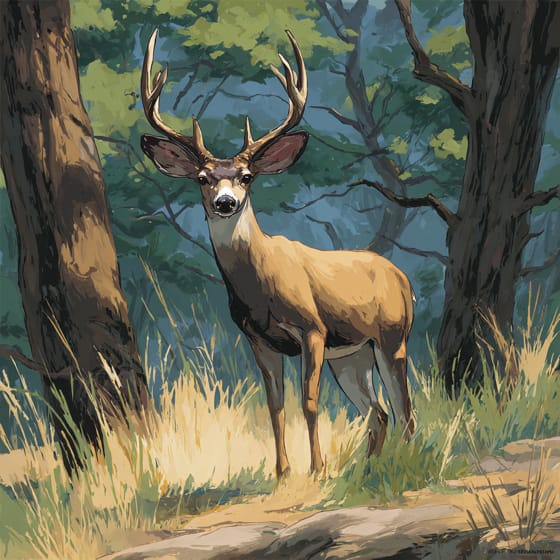
Odocoileus hemionus
Deer occasionally browse young leaves and shoots.
Thamnophis atratus
The dense foliage provides cover for this snake.
Climbing or vine plants are characterized by a growth habit that allows them to ascend upwards by twining, tendrils, or adhesive roots.
Flowering plants are any plants that produce flowers as part of their reproductive cycle.
Shade tolerant plants are adapted to grow and thrive in areas with low light levels, requiring less direct sunlight.
Edible plants are those parts of a plant that are considered safe for human consumption.

Describes plants that are particularly attractive and beneficial to a wide range of pollinating organisms.

Rapid growing plants exhibit accelerated growth rates, quickly increasing in size and biomass within a short period.

Coastal habitats are dynamic environments located along the interface between land and sea, influenced by tides, waves, and saltwater.
No aliases listed yet.
Danger
1/5 · Very low
Do not eat any part of the plant unless an adult says it's safe and cooked properly.
The easiest way to identify coastal manroot is to use the Snappit nature identifier app.
300-900 cm
0.5-1.5 cm
Late_winter-spring
No
High
Perennial
Insect
Zoom in to split clusters and explore where this object has been snapped.

Washington, US
You might spot Pacific Banana Slug and Oregon Forestsnail.
View guide →

Oregon, US
You might spot Oregon Oak, Pacific Poison Oak, and American Bullfrog.
View guide →

Oregon, US
You might spot Green Alkanet, Western Sword Fern, and Pacific Banana Slug.
View guide →

Oregon, US
You might spot Oregon Oak, Tree-Of-Heaven, and Garter Snake.
View guide →

Oregon, US
You might spot Pacific Trillium, Giant White Fawn Lily, and Candy Flower.
View guide →

California, US
You might spot Pacific Banana Slug, Redwood, and Elk.
View guide →
Take the discovery with you
Snap it with Snappit to identify it, learn what makes it special, and add the discovery to your collection.








.jpg&width=800)



_001.jpg&width=800)


