





Coastal Pricklypear
Opuntia littoralis
The Coastal Pricklypear is a fun cactus that grows near the beach! It has bright yellow flowers and tasty fruits called prickly pears that you can eat. Just be careful of its sharp spines!
Habitat: Coastal areas
The Coastal Pricklypear is a sprawling cactus with flattened, fleshy green pads covered in clusters of sharp spines and fine, barbed glochids. Its vibrant yellow to reddish-orange flowers bloom atop these pads, followed by reddish-purple, pear-shaped fruits.
Category
PlantsRarity
Common
Danger
2/5 · Low
Snaps
Be the first to snap!
Coastal Pricklypear's strong roots help prevent sandy coastal dunes from washing away.
Its tiny barbed hairs (glochids) are often more irritating than the large spines!
Some desert tortoises love to munch on its pads, spines and all!
The yummy fruits of this cactus are sometimes called "cactus figs" or "tunas."
Coastal Pricklypear can store vast amounts of water in its thick, paddle-shaped pads, allowing it to survive long droughts.
Coastal Pricklypear has sharp spines and tiny barbed glochids that deter hungry animals from eating its juicy pads.
Coastal Pricklypear can sprout new plants from fallen pads, allowing it to quickly spread and colonize sandy areas.
Apis mellifera
collects nectar and pollen from its flowers
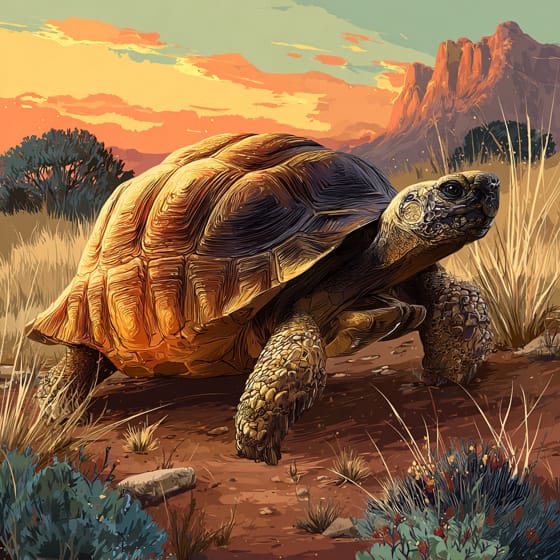
Gopherus agassizii
eats the pads and fruits despite the spines

Odocoileus hemionus
browses on its pads, especially during dry seasons

Pheucticus melanocephalus
eats its fruits and helps spread its seeds
Flowering plants are any plants that produce flowers as part of their reproductive cycle.
Fruit-bearing plants produce fruits, which are the mature ovaries of flowering plants containing seeds.
Pertaining to plants that have stems covered with sharp, pointed projections for defense.
Drought-tolerant plants can survive and flourish in conditions with limited water availability.

Succulent plants have thickened, fleshy parts, usually leaves or stems, adapted to store water in arid climates.

Edible plants are those parts of a plant that are considered safe for human consumption.

Describes plants that are particularly attractive and beneficial to a wide range of pollinating organisms.

Possessing sharp, pointed projections or spines on the body or surface.

Coastal habitats are dynamic environments located along the interface between land and sea, influenced by tides, waves, and saltwater.
No aliases listed yet.
Danger
2/5 · Low
Be careful not to touch the spines on the cactus, they can poke you!
The easiest way to identify Coastal Pricklypear is to use the Snappit nature identifier app.
30-150 cm
60-300 cm
5-8 cm
Spring-summer
Yes
None
Perennial
Zoom in to split clusters and explore where this object has been snapped.
Recent snaps will appear here as new observations are added.
Take the discovery with you
Snap it with Snappit to identify it, learn what makes it special, and add the discovery to your collection.








.jpg&width=800)



_001.jpg&width=800)



