.jpg&width=800)





Cocoplum
Chrysobalanus icaco
Cocoplum is a fun, bushy plant that grows in warm places like beaches and coastal areas. It has shiny green leaves and produces small, tasty fruits that are loved by birds and other animals.
Habitat: Coastal areas
The Cocoplum is an evergreen shrub or small tree with glossy, leathery green leaves that sometimes display a reddish tint. Its small, round fruits transition from green to pink, purple, or black when ripe, often hanging in clusters. Young stems can also show a reddish hue.
Category
PlantsRarity
Common
Danger
1/5 · Very low
Snaps
Be the first to snap!
Cocoplum fruits can float on ocean currents, spreading seeds to new beaches far away!
Early settlers once brewed the Cocoplum's dried leaves to make a refreshing and healthful tea!
Some varieties of Cocoplum have new leaves that emerge with a stunning reddish-purple color!
The hard seeds inside Cocoplum fruits are sometimes polished and used to make decorative beads!
Cocoplum can tolerate salty air and soil, which helps it thrive on beaches and coastlines.
Cocoplum has a strong root system that holds sandy soil in place, protecting shores from erosion.
Cocoplum can handle dry, sandy soils for long periods, making it tough in coastal droughts.
Apis mellifera
Visits small flowers for nectar and pollen.
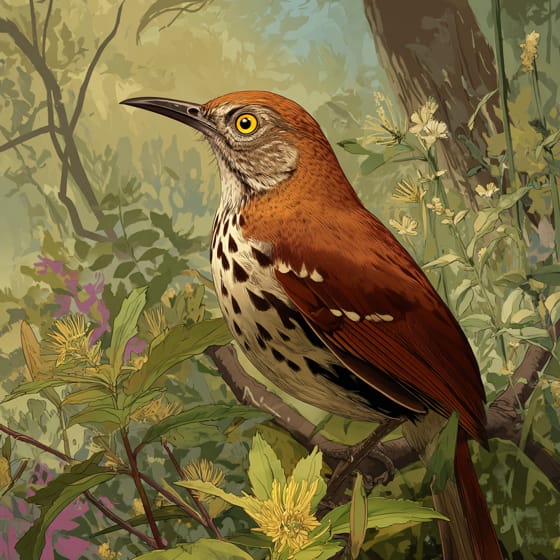
Toxostoma rufum
Enjoys ripe Cocoplum fruits.

Procyon lotor
Forages for fallen or low-hanging fruits.
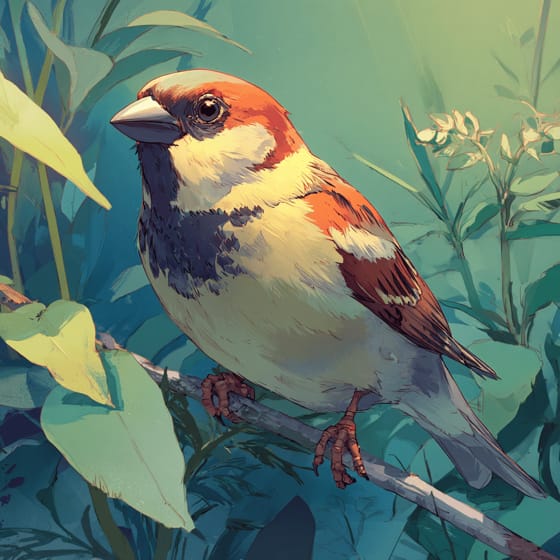
Passer domesticus
Feeds on the small, sweet fruits.
Ornamental plants are cultivated primarily for their aesthetic appeal, enhancing landscapes and gardens with their attractive foliage, flowers, or form.
A shrub is a woody plant smaller than a tree, typically with multiple stems branching from or near the ground.
Evergreen plants retain their foliage throughout the year, never shedding all their leaves at once.
Fruit-bearing plants produce fruits, which are the mature ovaries of flowering plants containing seeds.

Medicinal plants possess chemical compounds that can be used for therapeutic purposes to treat illnesses or maintain health.

Edible plants are those parts of a plant that are considered safe for human consumption.

Coastal habitats are dynamic environments located along the interface between land and sea, influenced by tides, waves, and saltwater.
Danger
1/5 · Very low
Always ask an adult before trying to eat any wild fruit.
The easiest way to identify Cocoplum is to use the Snappit nature identifier app.
100-400 cm
100-300 cm
0.3-0.7 cm
Year-round
Yes
None
Perennial
Zoom in to split clusters and explore where this object has been snapped.
Recent snaps will appear here as new observations are added.
Take the discovery with you
Snap it with Snappit to identify it, learn what makes it special, and add the discovery to your collection.










.jpg&width=800)



_001.jpg&width=800)


