





Columbian Ground Squirrel
Urocitellus columbianus
Columbian Ground Squirrels are playful little animals that live in the grasslands. They love to dig burrows and can often be seen playing with their friends in the sunshine.
Habitat: Grasslands
The Columbian Ground Squirrel has a stocky body covered in grayish-tan fur, often mottled with darker spots that give it a speckled appearance. It features reddish-brown patches on its face and shoulders, and a relatively short, bushy tail that is darker on top. Its markings help it camouflage within rocky and grassy habitats.
Category
MammalsRarity
Common
Danger
1/5 · Very low
Snaps
7
Their underground burrows have special "escape tunnels" to trick predators!
These squirrels can get all the water they need just from eating juicy plants!
They have a special alarm call that tells other squirrels exactly what kind of danger is near!
They stuff their cheeks with food, carrying big meals back to their burrows!
Columbian Ground Squirrels can stand tall on their hind legs because this posture helps them survey their surroundings for predators.
Columbian Ground Squirrels can dig complex burrows because strong claws and front paws help them create safe underground homes.
Columbian Ground Squirrels can enter a deep sleep called hibernation that helps them survive cold winters without food.
These furry friends munch on plants, seeds, and even a few bugs!
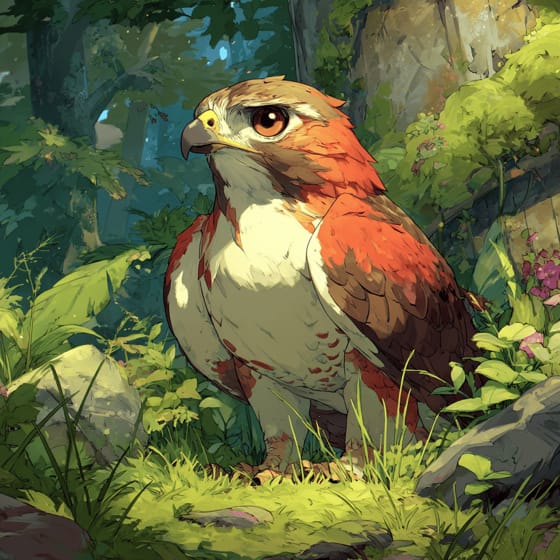
Buteo jamaicensis
Red-tailed Hawks hunt ground squirrels from above.
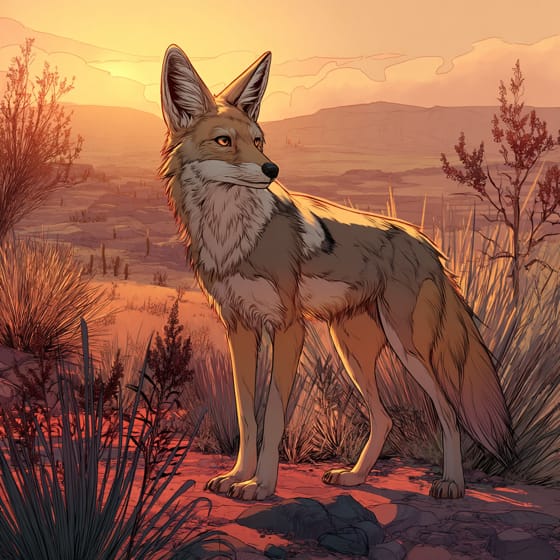
Canis latrans
Coyotes prey on squirrels, especially near burrows.

Mustela frenata
Weasels are agile enough to follow squirrels into their burrows.

Artemisia tridentata
Squirrels forage on seeds and leaves of sagebrush.
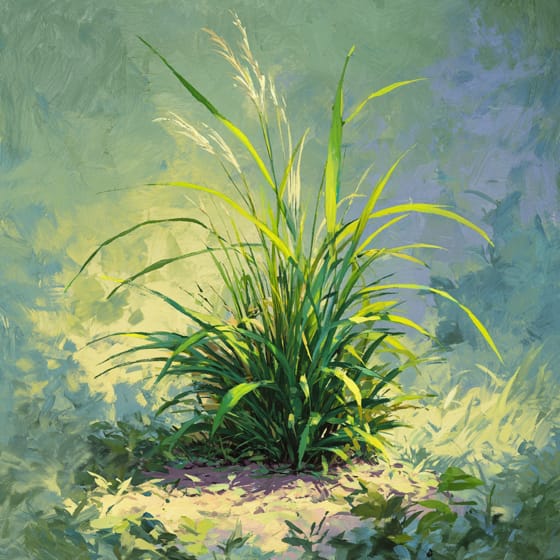
Poa pratensis
They graze on fresh shoots and seeds of grasses.
Furry describes animals possessing a dense covering of soft hair or fur.
Social animals live in organized groups, cooperating for survival benefits such as foraging, defense, and raising offspring.
Burrowing animals dig tunnels and chambers in the ground, using these subterranean structures for shelter, hunting, or breeding.
Grassland habitats are terrestrial biomes dominated by grasses and herbaceous plants, supporting a variety of grazing animals.

This trait characterizes organisms whose diet consists entirely or primarily of plant material.

Hibernating animals enter a state of metabolic depression during cold periods or when food is scarce, characterized by reduced body temperature and activity.

Diurnal animals are primarily active during daylight hours, typically resting or sleeping at night.
No aliases listed yet.
Danger
1/5 · Very low
Always watch from a distance and don't try to touch wild animals.
The easiest way to identify Columbian Ground Squirrel is to use the Snappit nature identifier app.
25-35 cm
0.3-0.8 kg
2-5 years
25 km/h
These furry friends munch on plants, seeds, and even a few bugs!
Grasslands
Foraging
Zoom in to split clusters and explore where this object has been snapped.

Montana, US
You might spot Bighorn Sheep and Mountain Goat.
View guide →

British Columbia, CA
You might spot Oregon Grape, Shinyleaf Meadowsweet, and Bush Penstemon.
View guide →

British Columbia, CA
You might spot White Pasqueflower and Columbian Ground Squirrel.
View guide →

Montana, US
You might spot Thimbleberry, White-Tailed Deer, and Spreading Dogbane.
View guide →

Montana, US
You might spot Columbian Ground Squirrel, Mule Deer, and Western Redcedar.
View guide →

Montana, US
You might spot Baker's Mariposa Lily, Yellow Beardtongue, and Elk.
View guide →
Take the discovery with you
Snap it with Snappit to identify it, learn what makes it special, and add the discovery to your collection.




.jpg&width=800)


.JPG&width=800)
.jpg&width=800)
