





Long-tailed Weasel
Neogale frenata
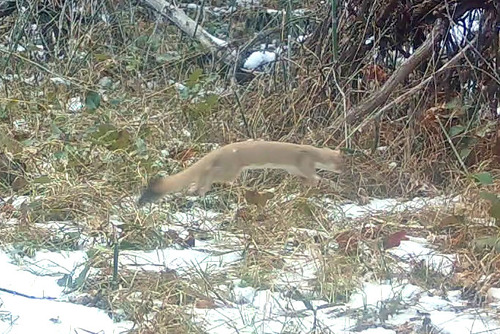
The Long-tailed Weasel is a small, playful animal with a long body and a fluffy tail. They are very quick and love to explore their surroundings, making them fun to watch in the wild!
Habitat: Forests
The Long-tailed Weasel has a long, slender body with short legs and reddish-brown fur on its back and sides, contrasting with a creamy white or yellow belly. Its most distinctive feature is a long tail tipped with black, even when its coat turns white in winter.
Category
MammalsRarity
Common
Danger
2/5 · Low
Snaps
11
A group of weasels is called a 'boogle' or sometimes a 'gang'!
Despite their small size, they can take down prey much larger than themselves!
They often line their dens with fur from their prey to keep warm!
They sometimes perform a 'weasel war dance' to confuse prey before attacking!
Long-tailed Weasel can change its fur from brown to white in winter because of seasonal camouflage, helping them hide in snow.
Long-tailed Weasel has a super flexible body that helps them squeeze into tiny rodent tunnels to hunt their prey.
Long-tailed Weasel can hunt almost constantly because of its high metabolism, requiring them to eat a lot of food daily.
A fierce little hunter that loves to eat small mammals, birds, and sometimes insects.
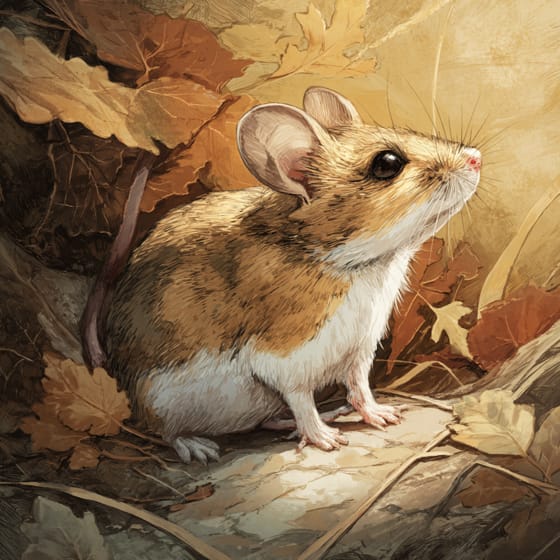
Peromyscus maniculatus
A primary source of food in its habitat.
Microtus pennsylvanicus
Skilled at entering their burrows for a meal.
.JPG&width=800)
Sylvilagus floridanus
Can tackle prey much larger than itself.
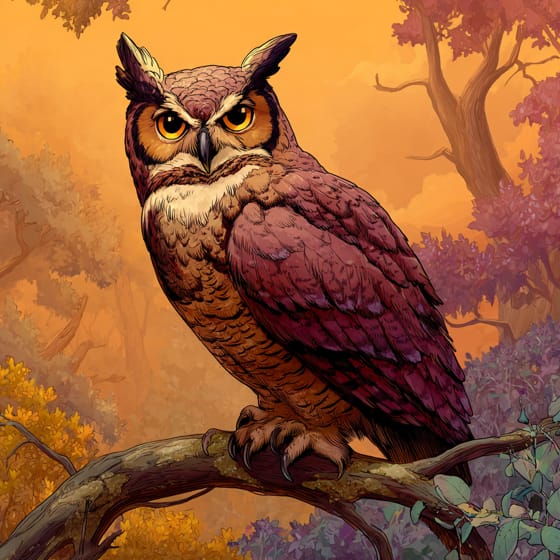
Bubo virginianus
Vulnerable to nocturnal raptors.
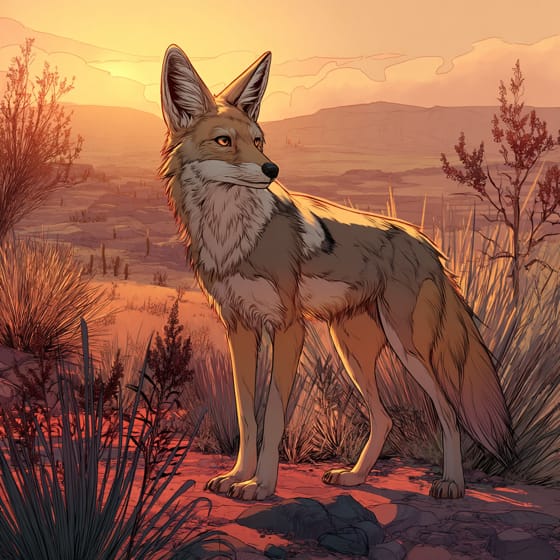
Canis latrans
A predator in open landscapes.
Furry describes animals possessing a dense covering of soft hair or fur.
Marked with spots or patches of a different color.
Solitary animals live alone for most of their lives, only interacting with others for mating or parental care.
Camouflaged describes organisms that possess coloring or patterns that allow them to blend into their environment.

Forest habitats are terrestrial environments dominated by dense tree cover, supporting a high diversity of plant and animal life.

This trait identifies organisms whose diet consists entirely or primarily of animal tissue.

This trait identifies organisms that exhibit exceptional swiftness in movement for hunting, escape, or travel.
No aliases listed yet.
Danger
2/5 · Low
If you see a weasel, watch quietly from a distance and don’t try to touch it.
The easiest way to identify Long-tailed Weasel is to use the Snappit nature identifier app.
30-50 cm
0.08-0.45 kg
1-3 years
25 km/h
A fierce little hunter that loves to eat small mammals, birds, and sometimes insects.
Forests
Pursuit
Zoom in to split clusters and explore where this object has been snapped.
Dec 25, 2025
Sioux County CourthousePhoto attribution
(c) Colin Croft, some rights reserved (CC BY)
License: CC BY 4.0 ↗
Image may be shown cropped inside the card frame.

Washington, US
You might spot Rock Pigeon, Great Blue Heron, and Duck.
View guide →

Oregon, US
You might spot Belding's Ground Squirrel and Yellow-Headed Blackbird.
View guide →

Idaho, US
You might spot Bald Eagle, Red-Tailed Hawk, and Rough-Legged Hawk.
View guide →

California, US
You might spot White-Crowned Sparrow and Bermuda Buttercup.
View guide →

California, US
You might spot Pacific Banana Slug, Redwood, and Elk.
View guide →

California, US
You might spot Gray Buckeye and California Buckeye.
View guide →
Take the discovery with you
Snap it with Snappit to identify it, learn what makes it special, and add the discovery to your collection.




.jpg&width=800)




.jpg&width=800)
