





Harris' Antelope Squirrel
Ammospermophilus harrisii
Harris' Antelope Squirrel is a small, lively squirrel found in the deserts of the southwestern United States. They have a fluffy tail and love to dig and play in the sand.
Habitat: Desert
The Harris' Antelope Squirrel has a grayish-brown back with a single white stripe running along each side of its body, and a pure white belly. Its relatively short tail is often held curled over its back, distinguishing it from other striped ground squirrels.
Category
MammalsRarity
Common
Danger
1/5 · Very low
Snaps
1
Despite their name, 'antelope' squirrels don't eat antelopes; it refers to their antelope-like running!
Harris' Antelope Squirrels use special cheek pouches to carry armfuls of seeds back to their homes!
These desert dwellers often hold their fluffy tails over their backs like tiny parasols for shade!
They can dig amazing burrows with multiple exits, perfect for escaping hungry predators quickly!
Harris' Antelope Squirrel can quickly cool down its body by pressing its belly to a cool rock, helping it survive desert heat.
Harris' Antelope Squirrel can get almost all the water it needs from its food, letting it thrive in dry desert environments.
Harris' Antelope Squirrel can twitch its tail rapidly as a signal to predators, letting them know it has been spotted.
An omnivore, it eats seeds, fruits, insects, and green plants found in its desert home.
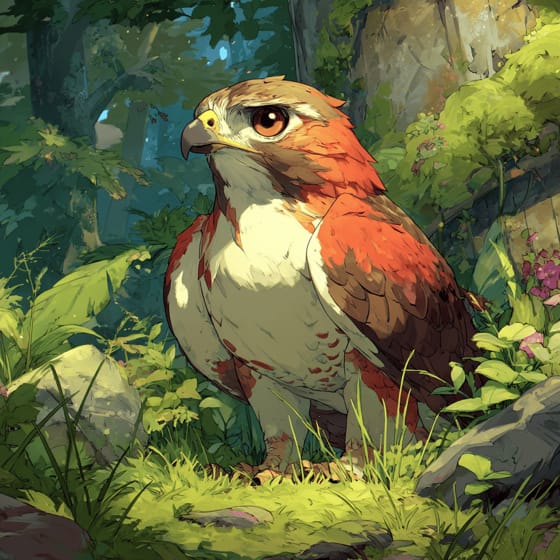
Buteo jamaicensis
A common aerial predator of this ground squirrel.
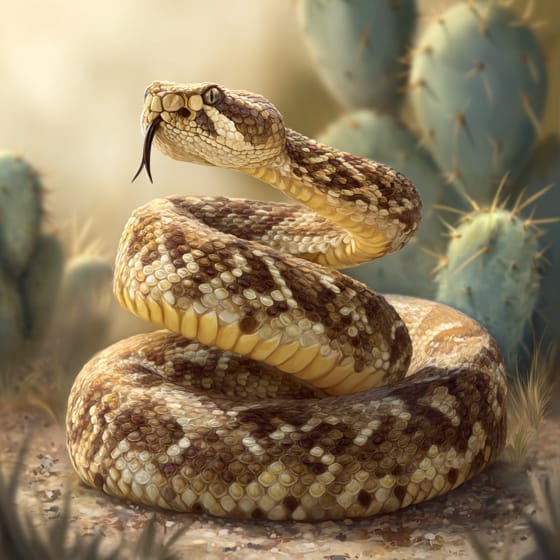
Crotalus atrox
Hunts squirrels on the ground, ambushing from cover.
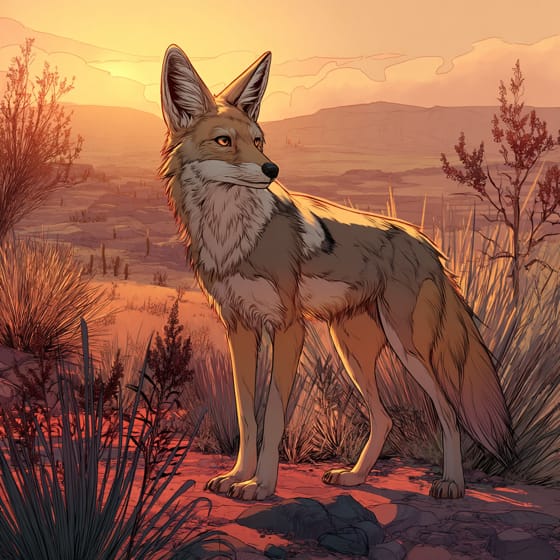
Canis latrans
A terrestrial predator that preys on squirrels.

Prosopis glandulosa
Consumes the seeds and pods of this desert tree.
Opuntia engelmannii
Feeds on the fruits and seeds of this common cactus.
Furry describes animals possessing a dense covering of soft hair or fur.
Social animals live in organized groups, cooperating for survival benefits such as foraging, defense, and raising offspring.
This trait identifies organisms whose diet includes both plant and animal matter.
Burrowing animals dig tunnels and chambers in the ground, using these subterranean structures for shelter, hunting, or breeding.

Desert habitats are arid regions characterized by extremely low precipitation and often extreme temperatures, supporting specialized flora and fauna.

Diurnal animals are primarily active during daylight hours, typically resting or sleeping at night.

This trait identifies organisms that exhibit exceptional swiftness in movement for hunting, escape, or travel.
No aliases listed yet.
Danger
1/5 · Very low
Don't try to catch or touch wild squirrels; they are best enjoyed from a distance.
The easiest way to identify Harris' Antelope Squirrel is to use the Snappit nature identifier app.
14-17 cm
0.1-0.15 kg
2-5 years
25 km/h
An omnivore, it eats seeds, fruits, insects, and green plants found in its desert home.
Desert
Foraging
Zoom in to split clusters and explore where this object has been snapped.
Take the discovery with you
Snap it with Snappit to identify it, learn what makes it special, and add the discovery to your collection.





.jpg&width=800)


.JPG&width=800)


.jpg&width=800)
