





common bilberry
Vaccinium myrtillus
Common bilberries are small, round berries that grow on low bushes. They are delicious and can be found in forests and mountains, often turning blue when ripe!
Habitat: Forests
The common bilberry is a low-growing shrub with small, oval, bright green leaves. Its tiny, bell-shaped flowers are often pinkish-green. The dark blue-black berries have a dusty bloom and a flat top, distinguishing them from cultivated blueberries.
Category
PlantsRarity
Common
Danger
1/5 · Very low
Snaps
Be the first to snap!
Bilberry berries have been used for dyeing fabrics for hundreds of years!
Bilberry bushes can live for over 30 years in the wild!
Its leaves turn a beautiful fiery red in autumn before falling off.
The tiny bell-shaped flowers are also edible and taste slightly sweet.
Common bilberry has spreading underground stems (rhizomes) that help it form dense patches and regenerate quickly.
Its small, tough stems and deciduous leaves help it survive harsh, cold winters in mountainous and northern regions.
The deep purple pigments in its berries can stain teeth and fabrics, helping attract animals for seed dispersal.
It can grow well in acidic, nutrient-poor soils where many other plants struggle, giving it a unique advantage.

Ursus arctos
Bears eagerly consume its nutritious berries.
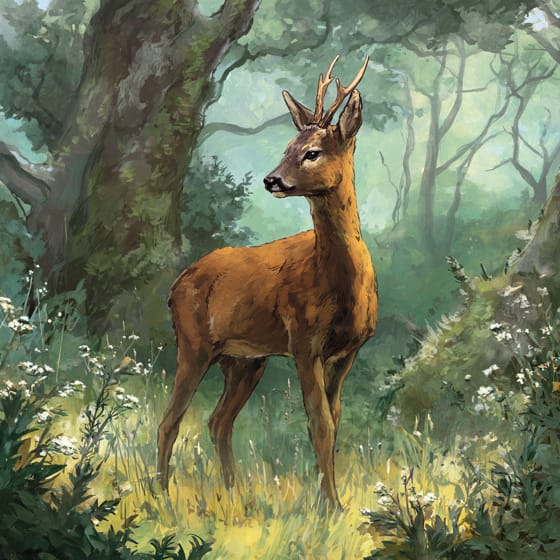
Capreolus capreolus
Deer browse on its leaves and young shoots.
Bombus terrestris
Bees gather nectar from its small flowers.
Sciurus vulgaris
Squirrels feed on its berries and flower buds.
Deciduous plants periodically shed all their leaves, typically during autumn or dry seasons.
A shrub is a woody plant smaller than a tree, typically with multiple stems branching from or near the ground.
Fruit-bearing plants produce fruits, which are the mature ovaries of flowering plants containing seeds.
Medicinal plants possess chemical compounds that can be used for therapeutic purposes to treat illnesses or maintain health.

A fruit tree is a perennial tree that produces fruit, which is edible to humans or animals.

Edible plants are those parts of a plant that are considered safe for human consumption.

This habitat trait identifies species found in mountainous regions, characterized by high elevation, steep slopes, and varying climate zones.

Forest habitats are terrestrial environments dominated by dense tree cover, supporting a high diversity of plant and animal life.
Danger
1/5 · Very low
Always ask an adult before picking and eating wild berries.
The easiest way to identify common bilberry is to use the Snappit nature identifier app.
10-60 cm
10-20 cm
4-6 cm
Late Spring - Early Summer
Yes
None
Perennial
Zoom in to split clusters and explore where this object has been snapped.
Recent snaps will appear here as new observations are added.
Take the discovery with you
Snap it with Snappit to identify it, learn what makes it special, and add the discovery to your collection.







.jpg&width=800)



_001.jpg&width=800)



