





Common Checkered-Skipper
Burnsius communis
The Common Checkered-Skipper is a small butterfly with a unique checkered pattern on its wings. It flits around fields and gardens, bringing joy with its playful movements.
Habitat: Grasslands
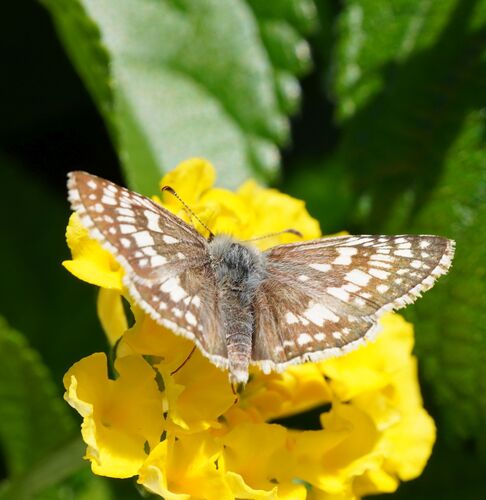
The Common Checkered-Skipper has a fuzzy, dark body and distinct black-and-white checkered wings. Its wings are mottled, with males often appearing frosted white, making it visually different from solid-colored butterflies. Unique hooked antennae distinguish it visually from moths.
Category
InsectsRarity
Common
Danger
1/5 · Very low
Snaps
11
Baby skippers (caterpillars) build tiny leaf shelters to live in.
Despite looking like moths, they are actually true butterflies!
Their antennae have a cool little hook at the very tip!
They're called 'skippers' because of their zig-zag, skipping flight!
Common Checkered-Skipper can fly in quick, erratic bursts because of powerful wing muscles that help them evade predators.
Common Checkered-Skipper has a long proboscis that helps them reach sweet nectar deep inside flowers.
Common Checkered-Skipper can blend into dappled light because its checkered wings help them disappear in shadows.
Common Checkered-Skipper can quickly warm its body by basking in the sun, which helps them become ready for flight.
Adult Checkered-Skippers mainly sip sugary nectar from flowers to get energy.
Age differences: Larvae munch on leaves of mallow plants, while adults drink nectar.

Malva neglecta
Larvae feed on its leaves for growth.

Trifolium repens
Adults collect nectar and spread pollen.
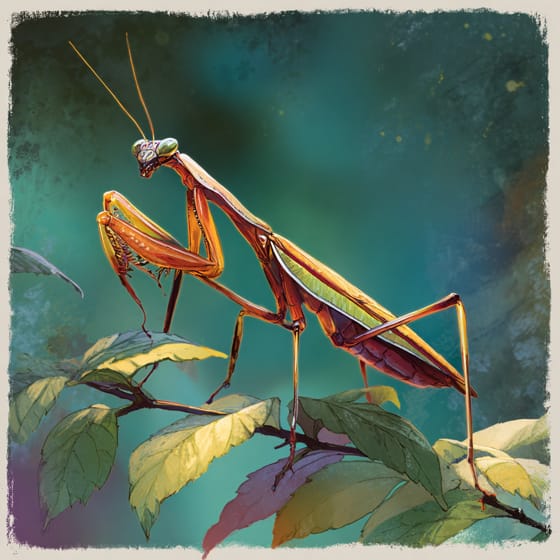
Mantis religiosa
Skippers can be prey for this ambush predator.

Sayornis saya
Insectivorous birds, like this one, eat skippers.
Social animals live in organized groups, cooperating for survival benefits such as foraging, defense, and raising offspring.
Camouflaged describes organisms that possess coloring or patterns that allow them to blend into their environment.
Colorful describes organisms or objects displaying a wide range of bright and distinct colors.
Grassland habitats are terrestrial biomes dominated by grasses and herbaceous plants, supporting a variety of grazing animals.

This trait characterizes organisms whose diet consists entirely or primarily of plant material.

Describes plants that are particularly attractive and beneficial to a wide range of pollinating organisms.

Diurnal animals are primarily active during daylight hours, typically resting or sleeping at night.

Describes organisms that transfer pollen, enabling the fertilization and reproduction of plants.
No aliases listed yet.
Danger
1/5 · Very low
Butterflies are friendly, but it's best to watch them from a distance.
The easiest way to identify Common Checkered-Skipper is to use the Snappit nature identifier app.
25-38 mm
10-15 mm
10-20 days
20 km/h
Adult Checkered-Skippers mainly sip sugary nectar from flowers to get energy.
Grasslands
Foraging
Zoom in to split clusters and explore where this object has been snapped.
Aug 22, 2025
Broadway Avenue Historic DistrictPhoto attribution
no rights reserved
License: CC0 1.0 ↗
Image may be shown cropped inside the card frame.

California, US
You might spot Monarch, Bee, and Anise Swallowtail.
View guide →

Michigan, US
You might spot Monarch, Canada Goose, and Eastern Gray Squirrel.
View guide →

Michigan, US
You might spot Monarch, Canada Goose, and Eastern Gray Squirrel.
View guide →

Ohio, US
You might spot Widow Skimmer, Eastern Pondhawk, and Bee.
View guide →

Michigan, US
You might spot Monarch, Canada Goose, and Eastern Gray Squirrel.
View guide →

Michigan, US
You might spot Monarch, Canada Goose, and Eastern Gray Squirrel.
View guide →
Take the discovery with you
Snap it with Snappit to identify it, learn what makes it special, and add the discovery to your collection.






.jpg&width=800)



