_Valerianella_locusta_-_inflorescences_and_Leaf.jpg&width=800)





common cornsalad
Valerianella locusta
Common cornsalad is a leafy green plant that grows close to the ground. It has small, tender leaves that are often used in salads. This plant is easy to spot in gardens and fields!
Habitat: Grasslands
The common cornsalad has small, rounded to spatula-shaped leaves that form a dense, low-growing rosette. Its tiny, pale blue or white flowers cluster at the stem tips, often going unnoticed due to their size.
Category
PlantsRarity
Common
Danger
1/5 · Very low
Snaps
Be the first to snap!
Ancient Romans might have munched on its tender leaves long ago!
It's sometimes known as "Mache" in fancy restaurants!
Its tiny blue-white flowers are so small, they're easily missed!
This leafy green is a distant cousin to the calming valerian herb.
Common cornsalad can withstand cold temperatures, allowing it to grow and be harvested even when other plants hibernate.
Common cornsalad completes its life cycle quickly, producing seeds fast to ensure new generations emerge rapidly.
Common cornsalad has seeds that readily self-sow, helping it spread and pop up again year after year on its own.
Apis mellifera
Visits its tiny flowers for nectar and pollen.
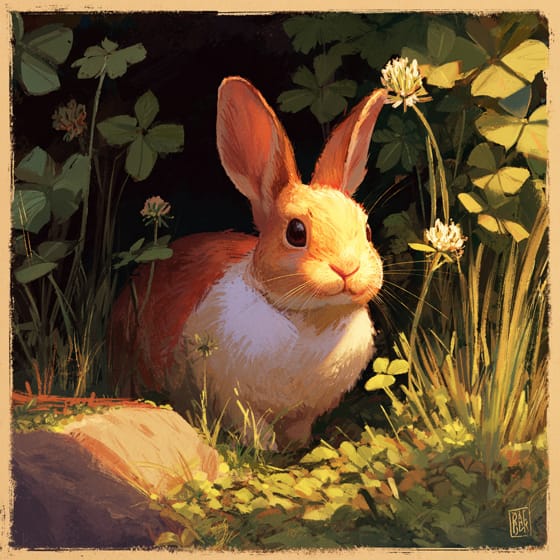
Oryctolagus cuniculus
Rabbits often browse on its tender, soft leaves.
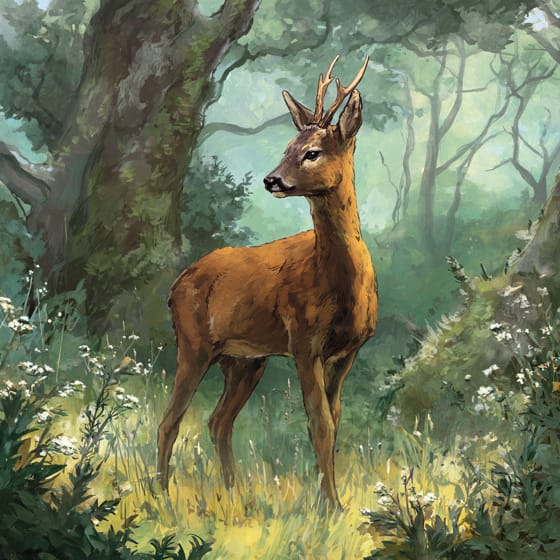
Capreolus capreolus
Deer enjoy grazing on its readily available foliage.
Arion vulgaris
Slugs can munch on its leaves, especially in damp conditions.
Biennial plants complete their life cycle over two growing seasons, typically forming foliage in the first year and flowering/seeding in the second.
Cold hardy plants are able to withstand low temperatures and freezing conditions without significant damage.
This human use trait describes species cultivated or domesticated by humans for agricultural purposes, including crops and livestock.
Edible plants are those parts of a plant that are considered safe for human consumption.

Grassland habitats are terrestrial biomes dominated by grasses and herbaceous plants, supporting a variety of grazing animals.
Danger
1/5 · Very low
Always wash plants before eating them, and ask an adult for help!
The easiest way to identify common cornsalad is to use the Snappit nature identifier app.
10-30 cm
10-20 cm
0.2-0.5 cm
Late spring to early summer
Yes
None
Annual
Zoom in to split clusters and explore where this object has been snapped.
Recent snaps will appear here as new observations are added.
Take the discovery with you
Snap it with Snappit to identify it, learn what makes it special, and add the discovery to your collection.









.jpg&width=800)



_001.jpg&width=800)



