





Common Goldeneye
Bucephala clangula
The Common Goldeneye is a beautiful duck with a shiny green head and a round body. They love to dive underwater to find food like fish and plants, making them fun to watch!
Habitat: Wetlands
The Common Goldeneye male has a striking iridescent green-black head with a distinct circular white patch near the bill and bright yellow eyes. Females feature a chocolate-brown head, a white neck collar, and a grey body, also with vibrant yellow eyes. This combination makes them visually distinctive from other diving ducks.
Category
BirdsRarity
Common
Danger
1/5 · Very low
Snaps
8
Female Goldeneyes sometimes lay their eggs in another duck's nest!
Goldeneye ducklings can swim and feed themselves just hours after hatching!
Male Goldeneyes perform a funny "head-throw-kick" dance to impress females.
They get their name from their striking, bright yellow eyes that really stand out.
Common Goldeneye can dive up to 6 meters deep because of their heavy bones and powerful webbed feet, helping them hunt for prey.
Common Goldeneye can nest in tree hollows up to 10 meters high, protecting eggs and ducklings from ground predators.
Common Goldeneye has specialized eyes that quickly adjust to light changes, allowing clear vision both above and below water.
Common Goldeneye can spring directly from the water into flight without a running start, escaping danger quickly.
Common Goldeneyes dive underwater to catch a variety of small aquatic animals like fish, insects, and crustaceans.
Feathered describes animals, primarily birds, possessing a covering of feathers.
Social animals live in organized groups, cooperating for survival benefits such as foraging, defense, and raising offspring.
Colorful describes organisms or objects displaying a wide range of bright and distinct colors.
Filter feeders obtain nutrients by straining suspended food particles and small organisms from water.

Piscivorous organisms are animals that primarily subsist on a diet of fish.

This habitat trait identifies species found in wetlands, which are areas of land saturated with water, either permanently or seasonally, including marshes, swamps, and bogs.

Diurnal animals are primarily active during daylight hours, typically resting or sleeping at night.

This trait identifies organisms that exhibit exceptional swiftness in movement for hunting, escape, or travel.

Aquatic habitats encompass environments where organisms live predominantly in water, including oceans, rivers, lakes, and wetlands.

Migratory animals undertake seasonal movements from one region to another, typically in response to changes in climate or food availability.
No aliases listed yet.
Danger
1/5 · Very low
Always watch birds from a distance and don't try to touch them.
The easiest way to identify Common Goldeneye is to use the Snappit nature identifier app.
42-50 cm
66-80 cm
0.8-1.3 kg
8-12 years
72 km/h
Common Goldeneyes dive underwater to catch a variety of small aquatic animals like fish, insects, and crustaceans.
Wetlands
Zoom in to split clusters and explore where this object has been snapped.

Alaska, US
You might spot Brown Bear, Common Merganser, and Sockeye Salmon.
View guide →
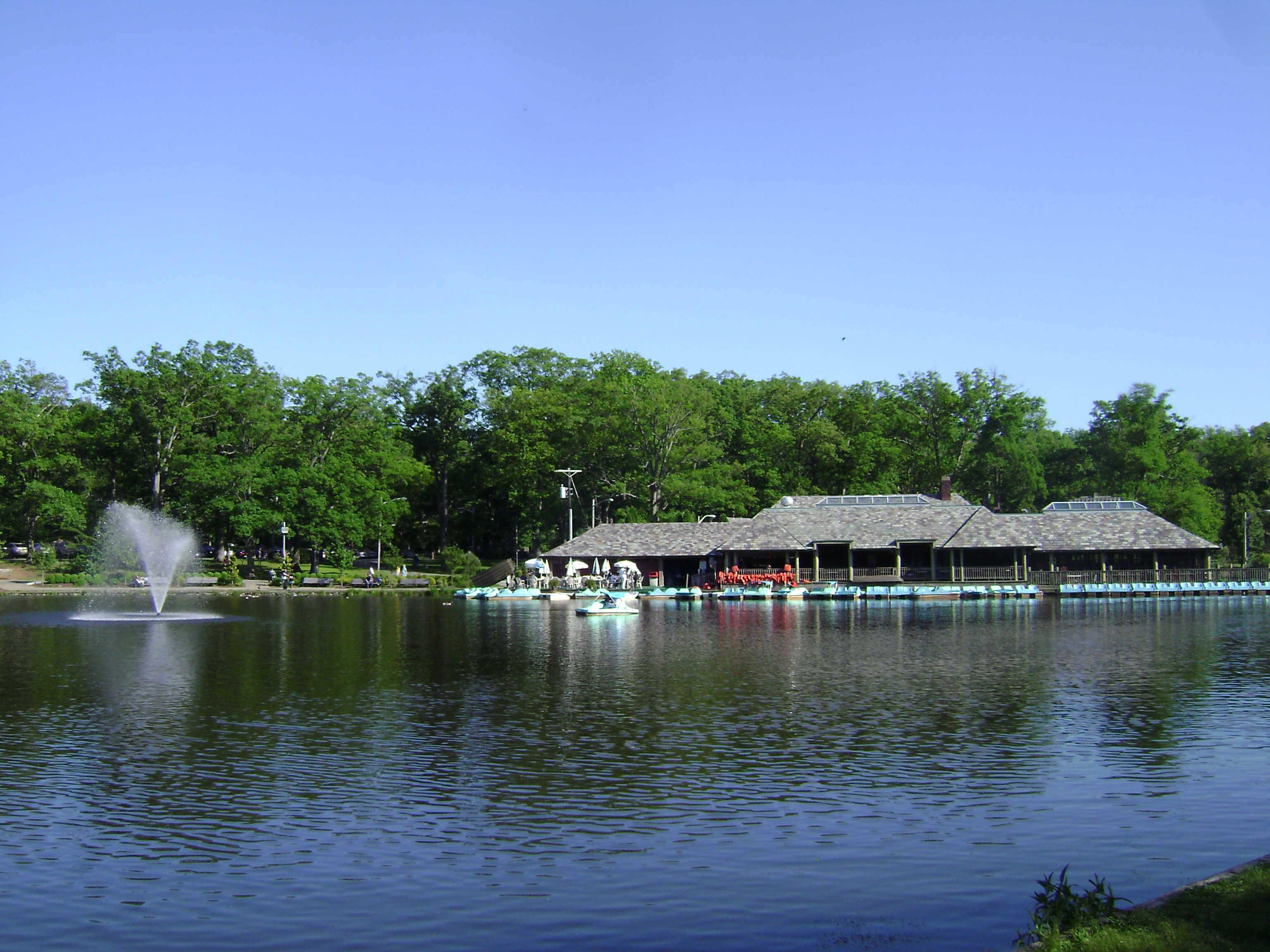
New Jersey, US
You might spot White-Tailed Deer, American Robin, and Spotted Lanternfly.
View guide →

Alaska, US
You might spot Canadian Bunchberry, Saskatoon, and Canadian Buffalo-Berry.
View guide →

Washington, US
You might spot Surf Scoter, Horned Grebe, and Salmonberry.
View guide →

Washington, US
You might spot Northern Flicker, American Robin, and Great Blue Heron.
View guide →

California, US
You might spot Vulture, Acorn Woodpecker, and Stanislaus Monkeyflower.
View guide →
Take the discovery with you
Snap it with Snappit to identify it, learn what makes it special, and add the discovery to your collection.




.jpg&width=800)







