





Common Green June Beetle
Cotinis nitida
The Common Green June Beetle is a shiny green insect that loves warm weather. It can often be seen flying around gardens and fields, where it munches on fruits and flowers.
Habitat: Urban areas
The Common Green June Beetle is a large, sturdy insect with a vibrant, metallic green body that shines in the sun, often featuring bronze or yellowish-tan edges on its wing covers. It has a broad, flattened shape and a fuzzy, golden-orange underside, distinguishing it from other scarab beetles.
Category
InsectsRarity
Common
Danger
1/5 · Very low
Snaps
13
Before flying, they often lie on their back and spin around to get enough momentum to launch into the air!
Their grubs, or larvae, are unique because they crawl on their backs, not their bellies, to move faster!
When startled, they sometimes play dead by flipping over and staying perfectly still until the danger passes!
Wow! Unlike most beetles, they fly with their hardened wing covers *closed*, making them super aerodynamic!
Common Green June Beetle can perform unique low-altitude flights because of their fast-beating wings that allow them to fly without lifting their wing covers.
Common Green June Beetle has a tough, iridescent green exoskeleton that helps protect them from predators and accidental impacts.
Common Green June Beetle larvae can efficiently break down decaying organic matter because of their strong mandibles that help enrich soil.
These beetles feast on sweet ripe fruits and plant sap as adults, while their larvae munch on decaying organic matter and roots.
Age differences: Yes, larvae consume decaying organic matter and roots underground, while adults primarily feed on ripe fruits and plant sap.
Prunus persica
Adult beetles feed on ripe peach fruits, causing damage.
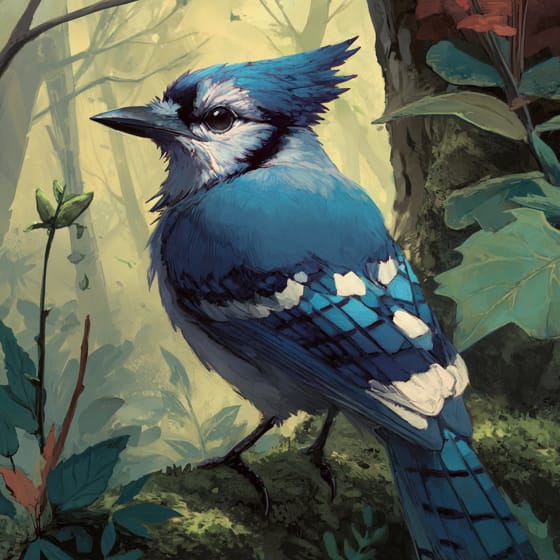
Cyanocitta cristata
Blue Jays are common avian predators that hunt these beetles.
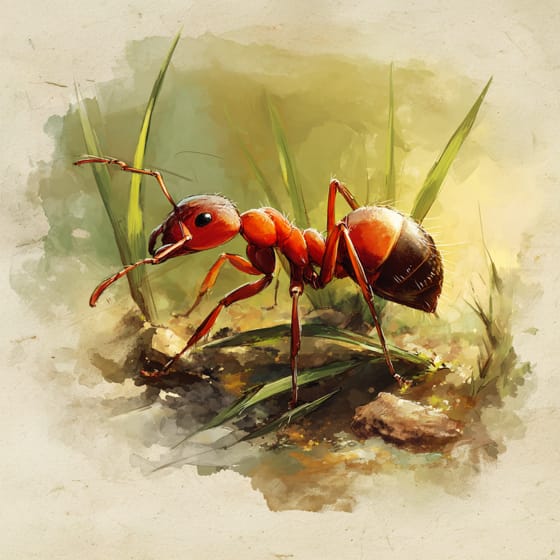
Solenopsis invicta
Fire ants prey on the larvae and pupae within the soil.
Didelphis virginiana
Opossums dig up and consume the nutritious grubs and adult beetles.
Colorful describes organisms or objects displaying a wide range of bright and distinct colors.
This trait characterizes organisms whose diet consists entirely or primarily of plant material.
Describes plants that are particularly attractive and beneficial to a wide range of pollinating organisms.
Diurnal animals are primarily active during daylight hours, typically resting or sleeping at night.

This trait identifies organisms that exhibit exceptional swiftness in movement for hunting, escape, or travel.

This habitat trait indicates species that can coexist with humans in urban and suburban environments, utilizing man-made structures and green spaces.

Pertaining to organisms that emit light through bioluminescence or fluorescence.

Describes organisms that transfer pollen, enabling the fertilization and reproduction of plants.
No aliases listed yet.
Danger
1/5 · Very low
These beetles are harmless, but it's best to watch them from a distance.
The easiest way to identify Common Green June Beetle is to use the Snappit nature identifier app.
30-50 mm
15-25 mm
30-60 days
12 km/h
These beetles feast on sweet ripe fruits and plant sap as adults, while their larvae munch on decaying organic matter and roots.
Urban areas
Foraging
Zoom in to split clusters and explore where this object has been snapped.

Oklahoma, US
You might spot Western Ratsnake and Spotted Chorus Frog.
View guide →

Alabama, US
You might spot Anole, Bee, and Bristle Thistle.
View guide →

Alabama, US
You might spot Anole, Bee, and Bristle Thistle.
View guide →
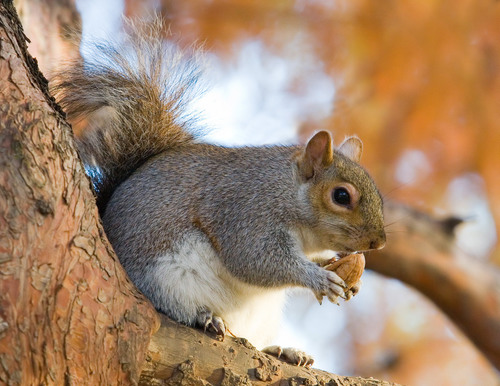
Georgia, US
You might spot Eastern Gray Squirrel, Domestic Cat, and American Robin.
View guide →

Texas, US
You might spot Brown Anole, Gulf Fritillary, and Pond Slider.
View guide →

Tennessee, US
You might spot American Robin and Eastern Gray Squirrel.
View guide →
Take the discovery with you
Snap it with Snappit to identify it, learn what makes it special, and add the discovery to your collection.







.jpg&width=800)



