





common hoptree
Ptelea trifoliata
The common hoptree is a small shrub with unique three-leaf clusters. It produces little flowers and is known for its hop-like fruits that are fun to spot in nature!
Habitat: Forests
The common hoptree is a small deciduous tree or large shrub with distinct trifoliate, dark green leaves. Its small, greenish-white flowers produce unique flat, disc-like fruits resembling papery, circular hops. The bark is smooth and brownish-gray.
Category
PlantsRarity
Common
Danger
1/5 · Very low
Snaps
7
Crushing a leaf makes a smell like oranges mixed with skunk – quite a surprising scent!
Its unusual flat, round seeds were once called 'wafer ash' because they look like tiny wafers!
Native Americans used its bark and roots for traditional medicines, even to treat fevers!
The 'hops' on this tree are actually fruits, not like the real hops used for beer!
Common hoptree leaves release a strong, citrusy yet skunky scent when crushed, which helps it deter hungry animals.
Common hoptree produces lightweight, disc-shaped fruits that spin like propellers, allowing wind to carry its seeds far.
The common hoptree can grow in dry, rocky soils because its roots efficiently find and store water.
Papilio cresphontes
Larvae feed on hoptree leaves.
Apis mellifera
Bees visit hoptree flowers for nectar and pollen.
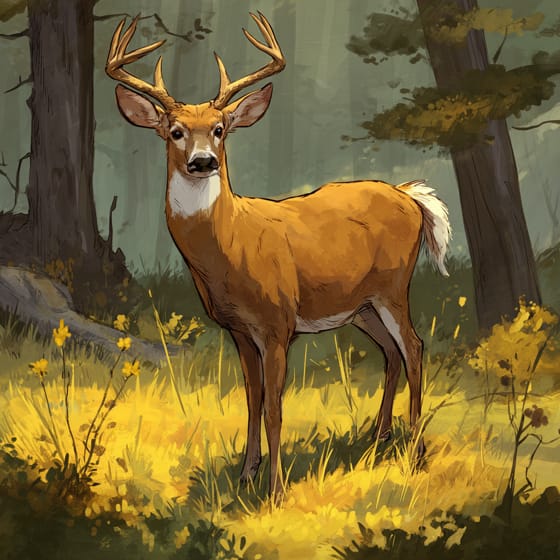
Odocoileus virginianus
Deer browse on young hoptree foliage.
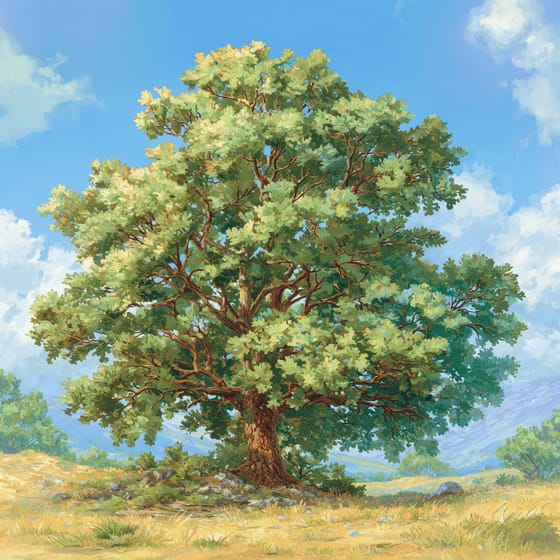
Quercus alba
Often grows alongside oaks in woodland understories.
Deciduous plants periodically shed all their leaves, typically during autumn or dry seasons.
Flowering plants are any plants that produce flowers as part of their reproductive cycle.
A shrub is a woody plant smaller than a tree, typically with multiple stems branching from or near the ground.
Fruit-bearing plants produce fruits, which are the mature ovaries of flowering plants containing seeds.

Edible plants are those parts of a plant that are considered safe for human consumption.

Fall color refers to the seasonal change in foliage pigmentation, primarily in deciduous plants, displaying vibrant hues.

Describes plants that are particularly attractive and beneficial to a wide range of pollinating organisms.

Forest habitats are terrestrial environments dominated by dense tree cover, supporting a high diversity of plant and animal life.
No aliases listed yet.
Danger
1/5 · Very low
Always look but don't touch the plants unless a grown-up says it's okay.
The easiest way to identify common hoptree is to use the Snappit nature identifier app.
300-800 cm
200-500 cm
0.5-1 cm
Late spring to early summer
No
Mild
Perennial
Zoom in to split clusters and explore where this object has been snapped.

District of Columbia, US
You might spot Spotted Lanternfly and Eastern Gray Squirrel.
View guide →

Indiana, US
You might spot Common Reed, Rosepink, and Bearberry.
View guide →

Oklahoma, US
You might spot Lace Hedgehog Cactus and Star Cloak Fern.
View guide →

New Mexico, US
You might spot Tree Cholla, Mule Deer, and Sacred Datura.
View guide →

District of Columbia, US
You might spot Spotted Lanternfly and Asian Lady Beetle.
View guide →

District of Columbia, US
You might spot Lesser Celandine, Amur Honeysuckle, and Garlic Mustard.
View guide →
Take the discovery with you
Snap it with Snappit to identify it, learn what makes it special, and add the discovery to your collection.






.jpg&width=800)



_001.jpg&width=800)



