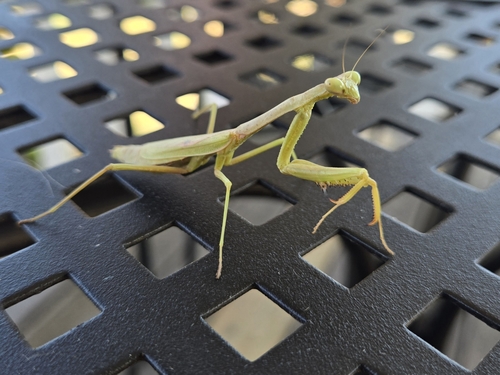





Anole

King Street Historic District offers a charming walk through Greenville, Alabama's architectural heritage.
King Street Historic District offers a charming walk through Greenville, Alabama's architectural heritage. This meticulously preserved area showcases a rich collection of modest middle-class homes, reflecting the city's growth and development from the mid-19th to early 20th centuries. It's a living outdoor museum, where every turn reveals a story etched in brick and timber, inviting visitors to step back in time.
The district is particularly notable for its diverse architectural styles, featuring elegant Greek Revival residences, ornate Queen Anne cottages, and practical yet charming bungalows. Visitors can admire the Newman–Wright House, dating back to approximately 1845, and the circa 1860 home at 511 Milner Street, both standing as testaments to the district's earliest days. The collection of homes from the 1890s through the 1920s provides a fascinating study of residential design evolution, each house a unique "exhibit" of historical craftsmanship and taste.
Exploring the King Street Historic District is an enriching experience for anyone interested in American history and architecture. It's a peaceful journey through a bygone era, where the quiet streets and well-maintained homes create a memorable atmosphere. The district’s designation on the National Register of Historic Places underscores its significance, making it a must-visit for those seeking authentic historical charm in the heart of Alabama. Unlock an interactive field guide for this spot: get the Snappit app to identify nature on the go.
The King Street Historic District was officially recognized for its historical significance when it was listed on the National Register of Historic Places on August 28, 1986. Its development primarily occurred between 1845 and the 1930s, with the earliest houses, such as the Newman–Wright House (circa 1845) and 511 Milner Street (circa 1860), marking its beginnings. The majority of the homes were constructed between 1890 and the 1920s, originally serving as modest middle-class rental properties. These buildings reflect the architectural tastes and economic conditions of Greenville citizens during this period, showcasing a blend of Greek Revival, Queen Anne, and bungalow influences that define the district's unique character today.
Enjoy a self-guided walking tour, photograph the unique architectural details, and imagine life in Greenville in past centuries.
Spring: Mild temperatures, blooming trees and shrubs, potentially camellias in bloom.
Summer: Can be hot and humid; early mornings or late afternoons are preferable for walking.
Fall: Cooler temperatures, fall foliage on surrounding trees, excellent for photography.
Winter: Mild winters generally allow for comfortable walks, though some chillier days may occur.
As a residential historic district, accessibility largely depends on public sidewalks and street access. The area is generally flat, making it suitable for walking and likely manageable for wheelchairs on sidewalks. Individual homes are private residences and not accessible for interior tours.
One of the oldest surviving structures, exemplifying early architectural styles.
Another early and significant residence within the district.
Look for intricate details, turrets, varied textures, and vibrant colors typical of this Victorian era.
Characterized by classical columns, symmetrical facades, and grand entrances.
Each card links to a full Explore page with photos, traits, and fun facts.
Start with the big picture, then zoom in to explore individual wildlife observations around this place.
Wear comfortable walking shoes
The best way to experience the district is on foot.
Bring a camera
The diverse architecture and historical charm provide excellent photographic opportunities.
Respect private property
Remember that the houses are private residences, so admire them from the sidewalks.
Visit during daylight hours
This ensures the best lighting for viewing and photography, and for safety.
Combine with other Greenville attractions: The historic district is close to other points of interest in Greenville, such as the downtown area with its historic commercial buildings and other historical markers.
Check local events
Greenville occasionally hosts historical tours or events that might include or highlight areas like the King Street Historic District.
Oct 13, 2025
Photo attribution
(c) respecttheknob, some rights reserved (CC BY)
License: CC BY 4.0 ↗
Image may be shown cropped inside the card frame.
May 27, 2026
May 2, 2026
Apr 26, 2026
Apr 25, 2026

Maryland, US
You might spot White-Tailed Deer and Eastern Gray Squirrel.
View guide →
.jpg)
District of Columbia, US
You might spot Eastern Gray Squirrel, Duck, and House Sparrow.
View guide →

Illinois, US
You might spot American Robin, Canada Goose, and House Sparrow.
View guide →

Virginia, US
You might spot Spotted Lanternfly and Northern Cardinal.
View guide →
Take the discovery with you
Identify the wildlife you spot, learn as you go, and keep a collection of the adventure.