





saw palmetto
Serenoa repens
Saw palmetto is a small, bushy plant with fan-shaped leaves. It grows close to the ground and can be found in warm, sunny places. This plant is special because it can live for many years and provides food for some animals.
Habitat: Coastal areas
The saw palmetto is a low-growing palm with a thick, often creeping stem. It has fan-shaped, green to silvery-green leaves with distinctive saw-like teeth along their stalks, and produces small, creamy-white flowers followed by dark reddish-black berries.
Category
PlantsRarity
Common
Danger
1/5 · Very low
Snaps
7
Honeybees love its flowers, making delicious palmetto honey!
Its ancient underground stems can live for hundreds of years!
Saw palmetto berries were a vital food for Florida pioneers.
This tough palm can survive even strong hurricanes!
Saw palmetto can regrow quickly after fires, protecting its vital parts underground with tough rhizomes.
Saw palmetto has deep roots that help it find water, allowing it to thrive in very dry, sandy soils.
Saw palmetto has an extensive root system that helps prevent sand dunes and soil from eroding away.
Saw palmetto produces nutrient-rich berries that provide essential food for many animals, especially in winter.
Ursus americanus
eats ripe berries
Apis mellifera
collects nectar and pollen
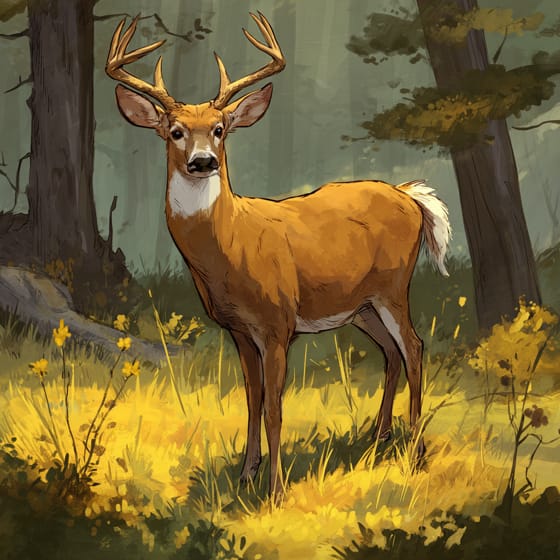
Odocoileus virginianus
browses on leaves and berries
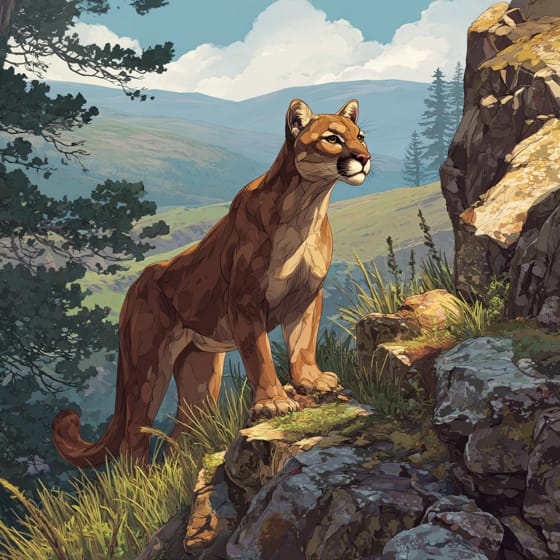
Puma concolor
uses dense thickets for cover
A shrub is a woody plant smaller than a tree, typically with multiple stems branching from or near the ground.
Evergreen plants retain their foliage throughout the year, never shedding all their leaves at once.
Fruit-bearing plants produce fruits, which are the mature ovaries of flowering plants containing seeds.
Medicinal plants possess chemical compounds that can be used for therapeutic purposes to treat illnesses or maintain health.

Drought-tolerant plants can survive and flourish in conditions with limited water availability.

Edible plants are those parts of a plant that are considered safe for human consumption.

This trait characterizes organisms with an exceptionally long lifespan compared to others of their kind.

Coastal habitats are dynamic environments located along the interface between land and sea, influenced by tides, waves, and saltwater.

Describes a species whose presence and role have a disproportionately large effect on its environment.
No aliases listed yet.
Danger
1/5 · Very low
Always look but don't touch the sharp edges of the leaves.
The easiest way to identify saw palmetto is to use the Snappit nature identifier app.
60-210 cm
150-500 cm
0.5-1 cm
Spring
Yes
None
Perennial
Zoom in to split clusters and explore where this object has been snapped.

Alabama, US
You might spot Anole, Eastern Box Turtle, and Resurrection Fern.
View guide →

Florida, US
You might spot Brown Anole, Monarch, and Eastern Lubber Grasshopper.
View guide →

District of Columbia, US
You might spot Eastern Gray Squirrel, Duck, and House Sparrow.
View guide →

Florida, US
You might spot Resurrection Fern and Evans' Deer Moss.
View guide →

Florida, US
You might spot Coastalplain Chaffhead, Slimleaf Pawpaw, and Woolly Pawpaw.
View guide →

Alabama, US
You might spot Red Buffalo-Bur, Anole, and Eastern Box Turtle.
View guide →
Take the discovery with you
Snap it with Snappit to identify it, learn what makes it special, and add the discovery to your collection.









.jpg&width=800)



_001.jpg&width=800)

