





Common Pochard
Aythya ferina
The Common Pochard is a beautiful duck with a round body and a striking red head. They love to swim in lakes and ponds, diving for tasty plants and small fish.
Habitat: Wetlands
The Common Pochard is a medium-sized diving duck. Males have a striking reddish-brown head, a black chest, and a pale grey body, with a distinctive blue-grey bill tipped in black. Females are duller brown with a pale facial patch, differing from other ducks by their rounded head and heavy body.
Category
BirdsRarity
Common
Danger
1/5 · Very low
Snaps
Be the first to snap!
A group of pochards is called a 'raft' when on the water!
Common Pochards sometimes lay their eggs in other birds' nests!
Their dense feathers trap air, making them extra buoyant underwater!
They can hold their breath for a full minute while diving for food!
Common Pochard can dive up to 3 meters underwater that helps them find food on the lakebed.
Common Pochard has a specially adapted bill that helps them filter and grasp small invertebrates and plant matter.
Common Pochard needs a long run across the water's surface to gain speed for flight because of their heavy bodies.
They eat mostly aquatic plants and small creatures found at the bottom of water bodies.
Age differences: Ducklings initially consume more invertebrates; adults have a greater proportion of plant material in their diet.
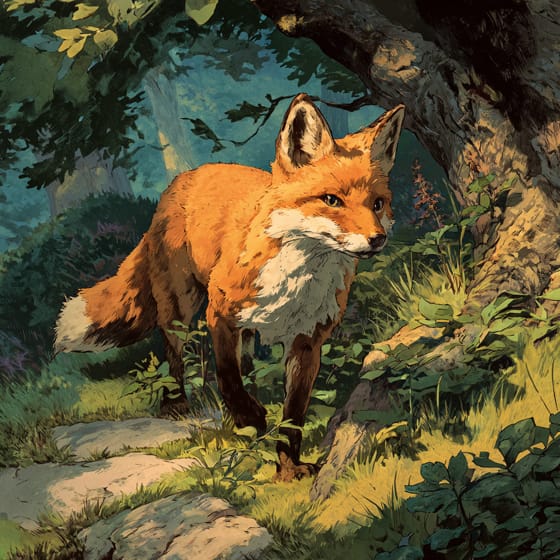
Vulpes vulpes
Foxes prey on eggs and ducklings.
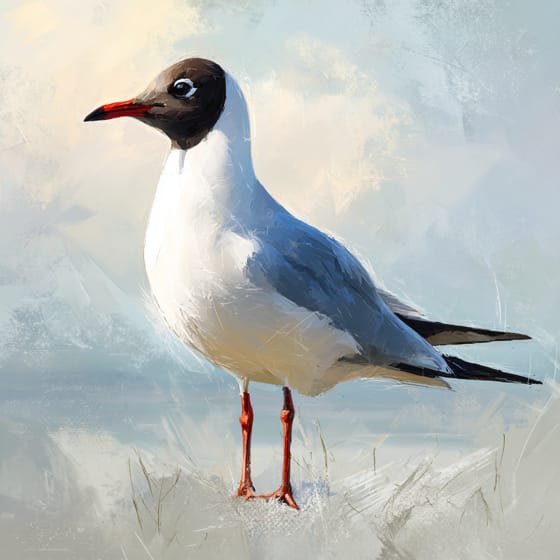
Larus ridibundus
Gulls can snatch eggs from nests.
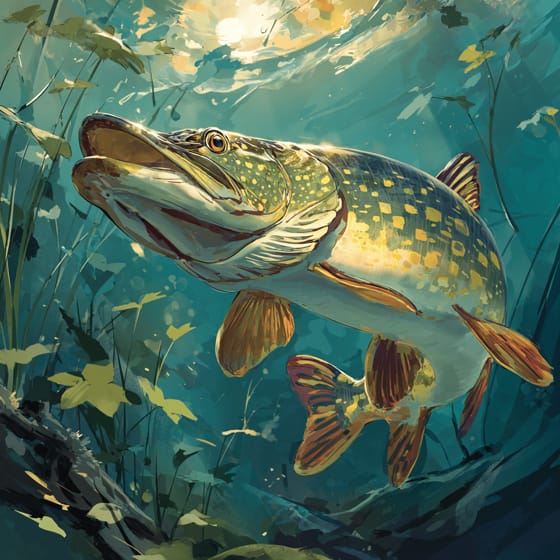
Esox lucius
Large pike can eat young ducklings.
Potamogeton crispus
They dive to eat plant parts and seeds.
Myriophyllum spicatum
Pochards consume stems and leaves underwater.
Feathered describes animals, primarily birds, possessing a covering of feathers.
Characterized by having toes connected by a membrane, typically aiding in swimming.
Social animals live in organized groups, cooperating for survival benefits such as foraging, defense, and raising offspring.
Colorful describes organisms or objects displaying a wide range of bright and distinct colors.

Piscivorous organisms are animals that primarily subsist on a diet of fish.

This habitat trait identifies species found in wetlands, which are areas of land saturated with water, either permanently or seasonally, including marshes, swamps, and bogs.

This trait identifies organisms whose diet consists entirely or primarily of animal tissue.

Describes a species whose presence and role have a disproportionately large effect on its environment.

Aquatic habitats encompass environments where organisms live predominantly in water, including oceans, rivers, lakes, and wetlands.

Migratory animals undertake seasonal movements from one region to another, typically in response to changes in climate or food availability.
No aliases listed yet.
Danger
1/5 · Very low
Always watch ducks from a distance and don't feed them bread, as it can make them sick.
The easiest way to identify Common Pochard is to use the Snappit nature identifier app.
42-49 cm
72-82 cm
0.7-1.1 kg
5-10 years
60 km/h
They eat mostly aquatic plants and small creatures found at the bottom of water bodies.
Wetlands
Zoom in to split clusters and explore where this object has been snapped.
Recent snaps will appear here as new observations are added.
Take the discovery with you
Snap it with Snappit to identify it, learn what makes it special, and add the discovery to your collection.




.jpg&width=800)







