





Confused Haploa Moth
Haploa confusa
The Confused Haploa Moth is a beautiful insect with soft, fuzzy wings. It has a unique pattern that helps it blend in with its surroundings, making it look like part of the leaves!
Habitat: Forests
The Confused Haploa Moth has creamy white forewings strikingly patterned with jagged, dark brown to black streaks and spots. Its hindwings are plain white. This moth's appearance is highly variable, making each individual slightly unique.
Category
InsectsRarity
Common
Danger
1/5 · Very low
Snaps
Be the first to snap!
Adult moths often don't eat, living off stored energy from their caterpillar days!
Baby Haploa moths munch on many kinds of tree and shrub leaves.
Its name 'Confused' hints at the tricky, varied patterns on its wings!
They belong to a group called 'tiger moths' because of their fierce, striped patterns!
Confused Haploa Moths can taste bad to predators because they absorb toxins from plants, making them an unpleasant meal.
Confused Haploa Moths have bold wing patterns that warn predators they are not tasty, helping them avoid being eaten.
Confused Haploa Moth caterpillars can blend into twigs and leaves with their hairy, dark bodies, helping them hide from birds.
Caterpillars are plant-eaters, munching on leaves, while adult moths may not eat at all!
Age differences: Larvae (caterpillars) feed actively on plant leaves, while adult moths either do not feed or occasionally sip nectar.
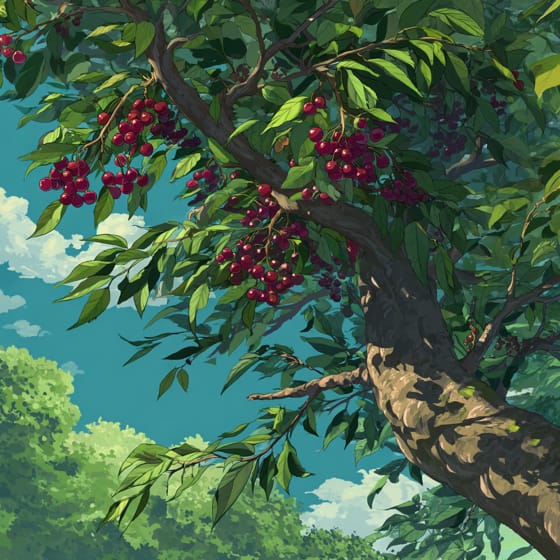
Prunus serotina
Caterpillars feed on its leaves for growth and energy.
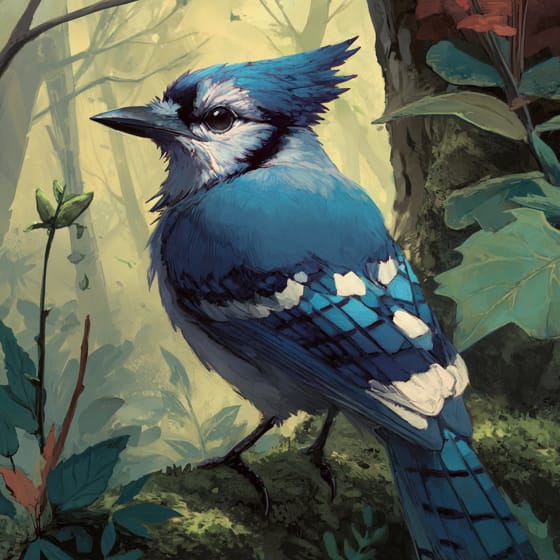
Cyanocitta cristata
Birds, like jays, may prey on moths or caterpillars.
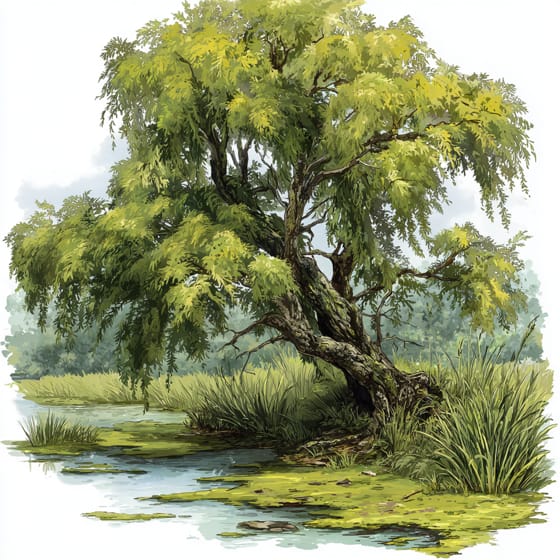
Salix nigra
Another key host plant providing food for young caterpillars.
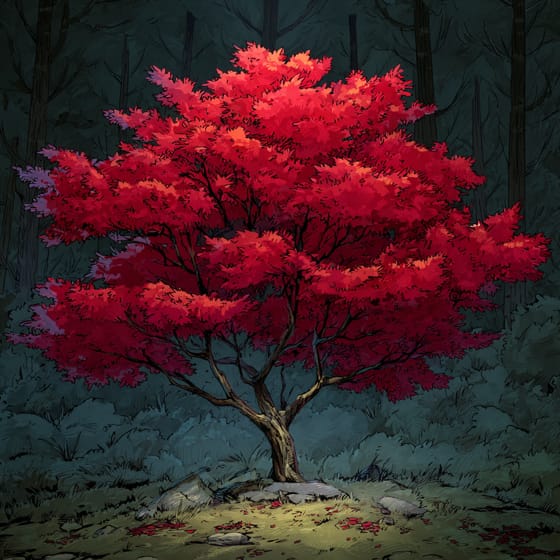
Acer rubrum
Larvae also consume leaves from various maple species.
Furry describes animals possessing a dense covering of soft hair or fur.
Solitary animals live alone for most of their lives, only interacting with others for mating or parental care.
Camouflaged describes organisms that possess coloring or patterns that allow them to blend into their environment.
This trait characterizes organisms whose diet consists entirely or primarily of plant material.

Forest habitats are terrestrial environments dominated by dense tree cover, supporting a high diversity of plant and animal life.

Nocturnal animals are primarily active during the nighttime hours, typically resting or sleeping during the day.

Describes organisms that transfer pollen, enabling the fertilization and reproduction of plants.
No aliases listed yet.
Danger
1/5 · Very low
Moths are usually safe to watch, but don't touch them as they can be delicate.
The easiest way to identify Confused Haploa Moth is to use the Snappit nature identifier app.
35-45 mm
15-20 mm
300-365 days
5-15 km/h
Caterpillars are plant-eaters, munching on leaves, while adult moths may not eat at all!
Forests
Foraging
Zoom in to split clusters and explore where this object has been snapped.
Recent snaps will appear here as new observations are added.
Take the discovery with you
Snap it with Snappit to identify it, learn what makes it special, and add the discovery to your collection.







.jpg&width=800)



