





Cormorant
Phalacrocorax
Cormorants are sleek black birds that dive underwater to catch fish. They have long necks and sharp beaks, and they can swim very fast!
Habitat: Coastal areas
The Cormorant is a large, dark-feathered water bird with a long, slender neck and a distinctive hooked bill. Its plumage is often glossy black or dark bronze. They stand upright on land, giving them a unique, almost prehistoric silhouette, making them easy to spot.
Category
BirdsRarity
Common
Danger
2/5 · Low
Snaps
Be the first to snap!
Ancient Egyptians sometimes trained cormorants to help them catch fish!
Cormorants have a special gland to drink saltwater and get rid of the salt!
They often return to the same nesting spots year after year, sometimes for decades!
Unlike most waterbirds, their feathers aren't fully waterproof, helping them dive!
Cormorant can dive deep and swiftly pursue fish because it has powerful, webbed feet that help them propel underwater.
Cormorant has less oil on its feathers, helping them sink easily for diving, but needs to dry its wings afterwards in the sun.
Cormorant has excellent underwater vision because its eyes are adapted to see clearly in water, helping them spot hidden prey.
Cormorants are expert underwater hunters, mainly eating fish that they chase and catch.
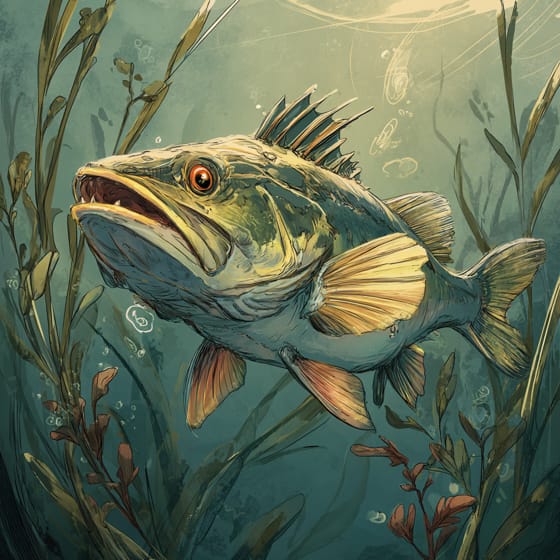
Sander lucioperca
A common prey fish in freshwater habitats.
Anguilla anguilla
An important food source, especially for larger cormorants.

Haliaeetus leucocephalus
Large raptors sometimes prey on cormorant chicks or adults.
Larus argentatus
Gulls often steal eggs or chicks from cormorant colonies.
Wildlife encompasses all undomesticated animal and plant life existing in their natural habitats.
Feathered describes animals, primarily birds, possessing a covering of feathers.
Characterized by having toes connected by a membrane, typically aiding in swimming.
Social animals live in organized groups, cooperating for survival benefits such as foraging, defense, and raising offspring.

Piscivorous organisms are animals that primarily subsist on a diet of fish.

This trait signifies organisms belonging to a very old evolutionary group with ancestors dating back millions of years.

Coastal habitats are dynamic environments located along the interface between land and sea, influenced by tides, waves, and saltwater.

Diurnal animals are primarily active during daylight hours, typically resting or sleeping at night.
No aliases listed yet.
Danger
2/5 · Low
Enjoy watching cormorants from a safe distance and never try to touch or disturb them.
The easiest way to identify Cormorant is to use the Snappit nature identifier app.
70-100 cm
130-160 cm
1.5-5.3 kg
15-20 years
80 km/h
Cormorants are expert underwater hunters, mainly eating fish that they chase and catch.
Coastal areas
Zoom in to split clusters and explore where this object has been snapped.
Recent snaps will appear here as new observations are added.
Take the discovery with you
Snap it with Snappit to identify it, learn what makes it special, and add the discovery to your collection.




.jpg&width=800)









