Cortinariaceae
cortinariaceae
Cortinariaceae mushrooms are fascinating fungi that often have colorful caps and are found in many forests. They play an important role in nature by helping to break down dead plants and trees!
Habitat: Cortinariaceae mushrooms typically grow in moist, shaded areas of forests.
The Cortinariaceae has a diverse appearance, often featuring rust-brown spores that can dust the stem or a spiderweb-like veil. Caps vary from conical to convex, frequently displaying scaly or silky textures in earthy tones like brown, purple, or olive.
Category
FungiRarity
Common
Danger
1/5 · Very low
Snaps
Be the first to snap!
Even tiny pieces of certain Cortinariaceae can cause serious kidney damage if eaten.
Many species have a unique "cortina," a spiderweb-like veil, protecting their young gills.
Some Cortinarius mushrooms smell like radishes, a surprising and helpful identification clue!
The Cortinariaceae family is one of the largest mushroom groups, with thousands of species!
Cortinariaceae can form mycorrhizal networks that help trees absorb essential nutrients and water from the soil.
Cortinariaceae has compounds that make them poisonous, deterring animals from eating them and protecting their spores.
Many species have rust-brown spores that readily detach, helping them spread far and wide to new locations.
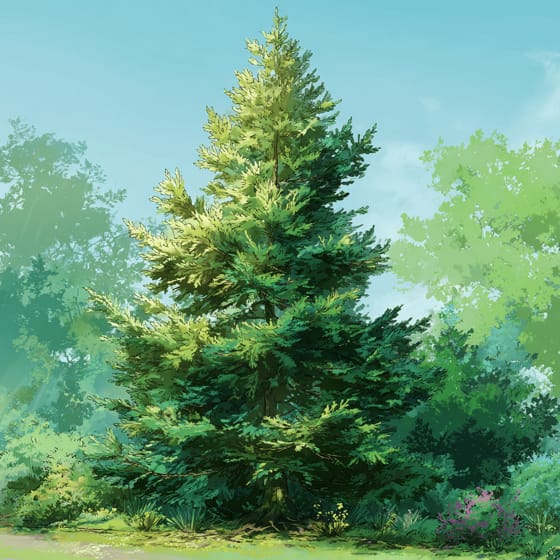
Picea abies
forming vital mycorrhizal partnerships
Quercus robur
sharing nutrients through root connections

Arion ater
slugs consume their mushroom caps and stems

Odocoileus virginianus
deer may browse on available woodland fungi
Solitary animals live alone for most of their lives, only interacting with others for mating or parental care.
Colorful describes organisms or objects displaying a wide range of bright and distinct colors.
Describes organisms that break down dead organic material, recycling nutrients back into the ecosystem.
Forest habitats are terrestrial environments dominated by dense tree cover, supporting a high diversity of plant and animal life.

Aquatic habitats encompass environments where organisms live predominantly in water, including oceans, rivers, lakes, and wetlands.
Danger
1/5 · Very low
Always ask an adult before touching or picking mushrooms.
The easiest way to identify Cortinariaceae is to use the Snappit nature identifier app.
3-18 cm
poisonous
2-15 cm
Cortinariaceae mushrooms typically grow in moist, shaded areas of forests.
soil
Summer to fall
Rust-brown
Zoom in to split clusters and explore where this object has been snapped.
Recent snaps will appear here as new observations are added.
Take the discovery with you
Snap it with Snappit to identify it, learn what makes it special, and add the discovery to your collection.