_(10879639084).jpg&width=800)




Coyote Brush Bud Gall Midge
Rhopalomyia californica
The Coyote Brush Bud Gall Midge is a tiny insect that makes special galls on coyote brush plants. These galls are like little homes for the midge's larvae, helping them grow safely.
Habitat: Coastal areas
The Coyote Brush Bud Gall Midge is a tiny, delicate fly, typically 1-3mm long, with a slender, dark body and clear, membranous wings. It has long antennae and a somewhat humped back, making it appear like a very small mosquito without a proboscis.
Category
InsectsRarity
Common
Danger
1/5 · Very low
Snaps
2
Adult midges are so small, they can easily fly through tiny gaps in window screens!
Each tiny gall on a coyote brush plant can contain several midge larvae living together!
Its larvae are completely legless and look like tiny white or orange grubs inside the gall.
The galls it creates are often mistaken for berries or unusual fuzzy plant growths!
Coyote Brush Bud Gall Midge can make the plant grow a cozy home because it lays eggs inside buds, causing a protective gall to form.
Coyote Brush Bud Gall Midge has special chemicals that tell the plant to form a safe, food-filled gall around its developing young.
Adults rarely feed; larvae eat the juicy plant tissue inside their protective galls.
Age differences: Larvae feed on plant tissue inside galls; adults may sip nectar or not feed at all.

Baccharis pilularis
Larvae cause galls to form on coyote brush for food and shelter.
Torymus baccharidis
Parasitic wasp larvae develop inside midge galls, consuming the midge larvae.
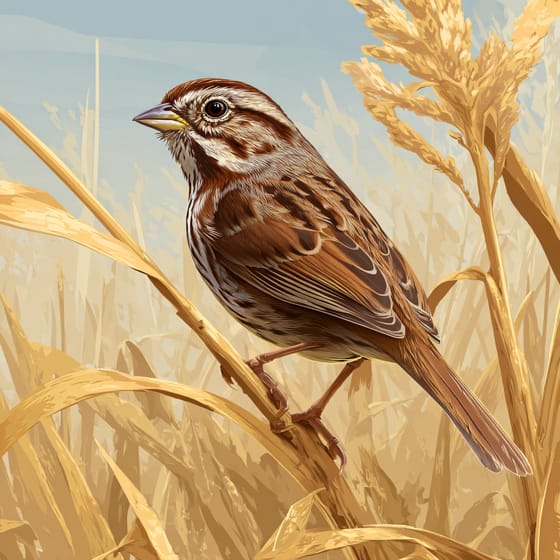
Melospiza melodia
Song sparrows and other birds often peck open galls to eat the larvae.
Solitary animals live alone for most of their lives, only interacting with others for mating or parental care.
This trait characterizes organisms whose diet consists entirely or primarily of plant material.
Describes a relationship between two different species where they live in close association, often benefiting one or both.
Coastal habitats are dynamic environments located along the interface between land and sea, influenced by tides, waves, and saltwater.

Pertaining to species that are significantly smaller than typical or average for their kind.

Describes organisms that transfer pollen, enabling the fertilization and reproduction of plants.
No aliases listed yet.
Danger
1/5 · Very low
These insects are not harmful, but it's best to look at them without touching.
The easiest way to identify Coyote Brush Bud Gall Midge is to use the Snappit nature identifier app.
2-5 mm
1-3 mm
5-10 days
Adults rarely feed; larvae eat the juicy plant tissue inside their protective galls.
Coastal areas
Null
6
Zoom in to split clusters and explore where this object has been snapped.

California, US
You might spot Western Fence Lizard, Duck, and California Brittlebush.
View guide →

California, US
You might spot Red-Cage Fungus and Black-Bellied Slender Salamander.
View guide →
.jpg)
California, US
You might spot California Phacelia and Twinberry Honeysuckle.
View guide →
Take the discovery with you
Snap it with Snappit to identify it, learn what makes it special, and add the discovery to your collection.








.jpg&width=800)




