Creek Chub
semotilus atromaculatus
Creek chubs are fun, friendly fish that love to swim in cool, clear waters! They often gather in groups and can be spotted darting around in streams and rivers.
Habitat: Creek chubs live in freshwater streams, rivers, and ponds, often in areas with plenty of rocks and plants.
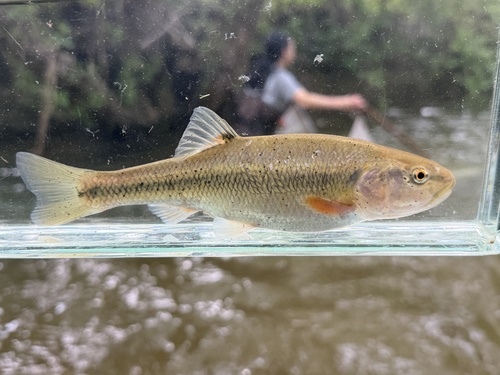
The Creek Chub has a streamlined body, typically olive-brown on its back with silvery sides and a whitish belly. It features a distinctive dark spot at the base of its dorsal fin and a faint lateral band. Its large mouth is slightly angled upwards.
Category
FishRarity
Common
Danger
0/5 · No known danger
Snaps
24
Creek Chubs are a popular baitfish and a food source for many larger fish and birds!
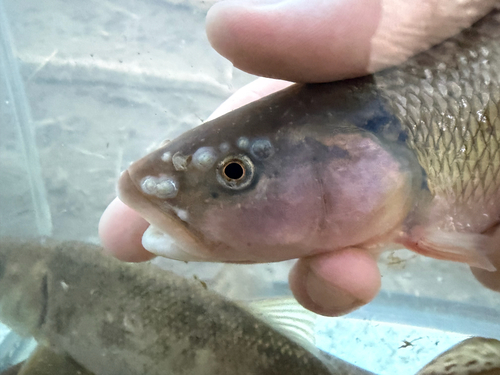
Male Creek Chubs grow temporary bumpy 'horns' called tubercles on their heads when breeding!
These fish can migrate upstream during floods to find new habitats and food sources!
They are sometimes called 'stream sweepers' because they help clean up algae and detritus!
Creek Chub males can build pebble nests by moving stones with their mouths to protect their eggs during spawning.
Creek Chub has a robust physiology that helps them tolerate a wide range of water temperatures and conditions.
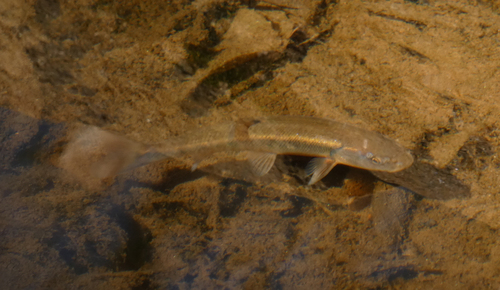
Creek Chub has mottled coloring that helps them blend seamlessly with the rocky or silty stream bottoms.
These hungry fish eat almost anything they can find, from insects to tiny fish and even plants!
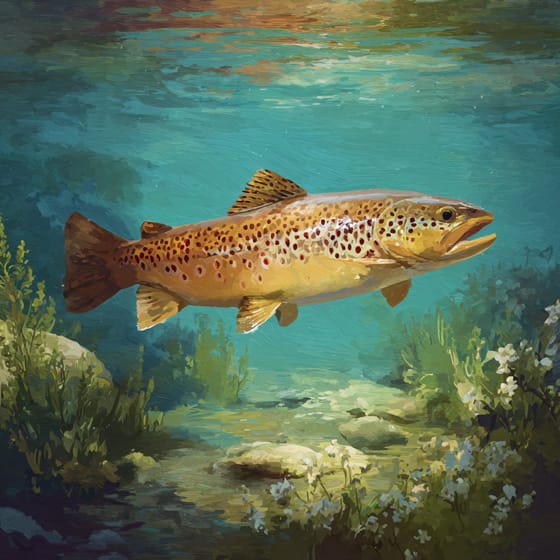
Salmo trutta
Larger Brown Trout prey on Creek Chubs.
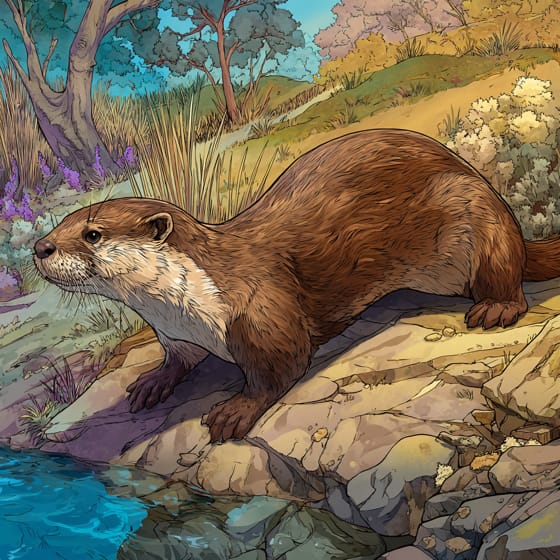
Lontra canadensis
River otters hunt Creek Chubs in freshwater habitats.
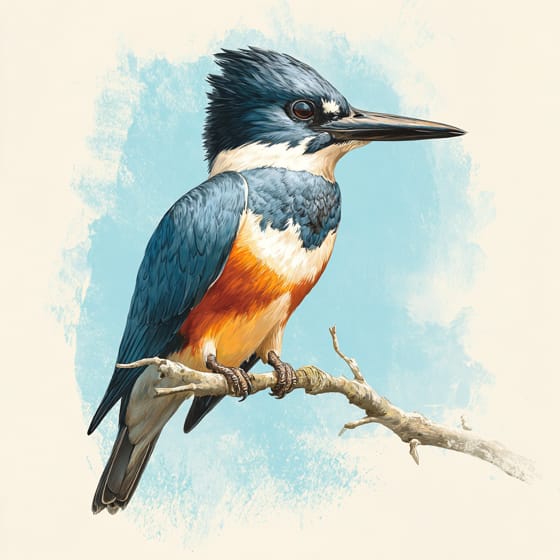
Megaceryle alcyon
Kingfishers dive to catch Creek Chubs from the water.
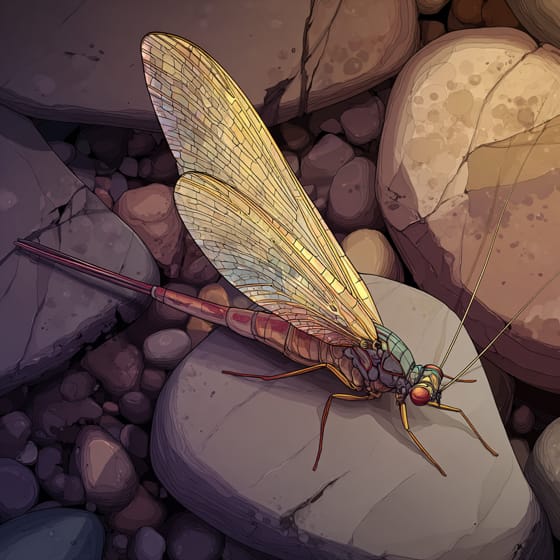
Baetis tricaudatus
Creek Chubs consume aquatic larvae of mayflies.
Social animals live in organized groups, cooperating for survival benefits such as foraging, defense, and raising offspring.
Colorful describes organisms or objects displaying a wide range of bright and distinct colors.
This trait identifies organisms whose diet consists entirely or primarily of animal tissue.
Aquatic habitats encompass environments where organisms live predominantly in water, including oceans, rivers, lakes, and wetlands.
Danger
0/5 · No known danger
No special safety notes yet.
The easiest way to identify Creek Chub is to use the Snappit nature identifier app.
7-30 cm
0.01-0.5 kg
5-7 years
These hungry fish eat almost anything they can find, from insects to tiny fish and even plants!
10 km/h
Creek chubs live in freshwater streams, rivers, and ponds, often in areas with plenty of rocks and plants.
Foraging
Zoom in to split clusters and explore where this object has been snapped.
Apr 29, 2026
Ohio CavernsPhoto attribution
(c) Nick Tobler (Cowturtle), some rights reserved (CC BY)
License: CC BY 4.0 ↗
Image may be shown cropped inside the card frame.
Apr 11, 2026
Chanticleer GardenPhoto attribution
(c) Brian White, some rights reserved (CC BY)
License: CC BY 4.0 ↗
Image may be shown cropped inside the card frame.
Apr 3, 2026
Ohio CavernsPhoto attribution
(c) Steven Wang, some rights reserved (CC BY)
License: CC BY 4.0 ↗
Image may be shown cropped inside the card frame.

Pennsylvania, US
You might spot Eastern Tiger Swallowtail and Slowpoke Moth.
View guide →

New Hampshire, US
You might spot Eastern White Pine and White-Tailed Deer.
View guide →
Virginia, US
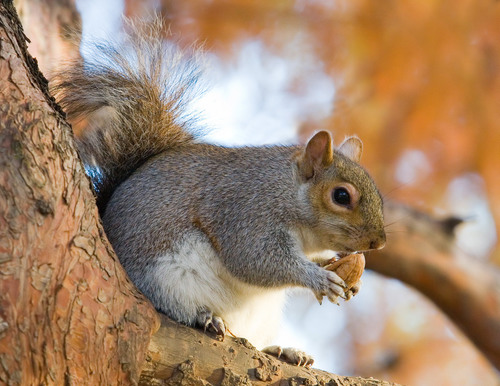
You might spot Eastern Gray Squirrel and Spotted Lanternfly.
View guide →

Ohio, US
You might spot Blue-Ringed Dancer, Bee, and American Rubyspot.
View guide →

Alabama, US
You might spot Blackfin Darter and Largescale Stoneroller.
View guide →

Tennessee, US
You might spot Eastern Bluebird and Red-Shouldered Hawk.
View guide →
Take the discovery with you
Snap it with Snappit to identify it, learn what makes it special, and add the discovery to your collection.