.JPG&width=800)




Crested Porcupine
Hystrix cristata
The Crested Porcupine is a spiky animal known for its long quills. When it feels scared, it can raise its quills to look bigger and protect itself. They are mostly nocturnal and love to dig in the ground for food.
Habitat: Grasslands
The Crested Porcupine is a large rodent covered in dark, spiky quills, typically black or dark brown. It has a distinctive crest of long, bristly quills on its head and neck, making it look much bigger and more formidable.
Category
MammalsRarity
Common
Danger
3/5 · Moderate
Snaps
Be the first to snap!
Porcupines are surprisingly good at swimming across water!
Some quills can be over a foot long, longer than a school ruler!
They are the heaviest porcupines in the world!
They can make a loud rattling sound with their tail quills!
Crested Porcupine has sharp, detachable quills that act like armor, protecting them from predators when raised and rattled.
Crested Porcupine can dig extensive burrows with powerful claws, creating safe homes and finding tasty roots underground.
Crested Porcupine can forage for food in complete darkness using their amazing sense of smell, helping them find hidden snacks.
They are mostly vegetarian, munching on roots, fruits, and tree bark.
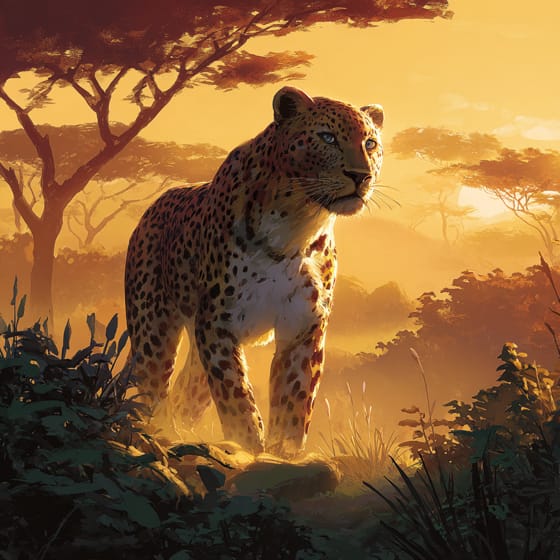
Panthera pardus
A fierce hunter that sometimes preys on porcupines.
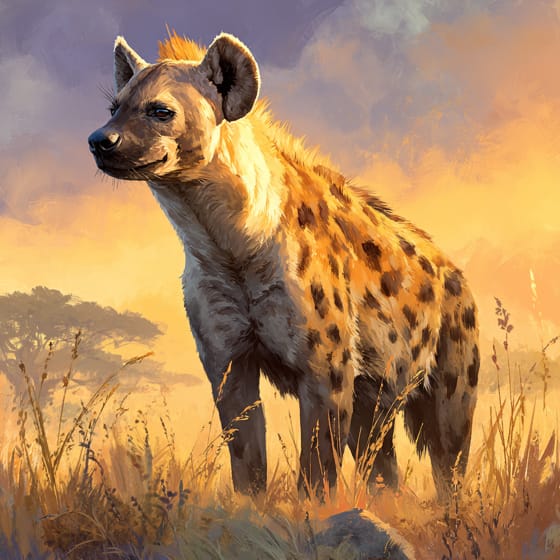
Crocuta crocuta
Known to hunt or scavenge porcupines in their African range.
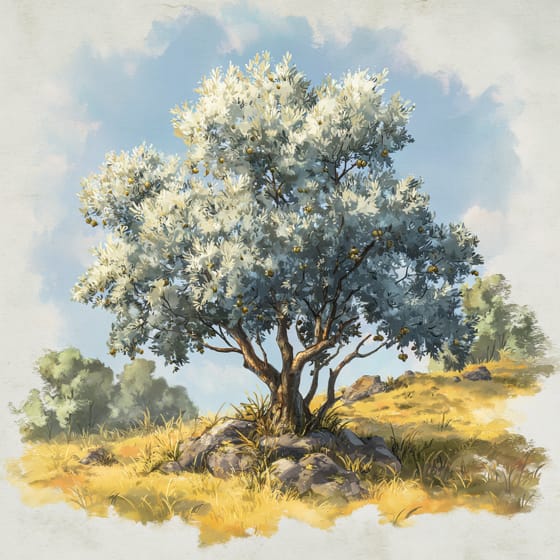
Olea europaea
Feeds on the roots and bark, which can sometimes harm the trees.
Pyrus communis
Consumes fallen fruits and roots from fruit trees.
Furry describes animals possessing a dense covering of soft hair or fur.
Crested describes animals possessing a prominent tuft of feathers, hair, or skin on their head.
Solitary animals live alone for most of their lives, only interacting with others for mating or parental care.
This trait identifies organisms whose diet includes both plant and animal matter.

Burrowing animals dig tunnels and chambers in the ground, using these subterranean structures for shelter, hunting, or breeding.

Grassland habitats are terrestrial biomes dominated by grasses and herbaceous plants, supporting a variety of grazing animals.

This trait characterizes organisms whose diet consists entirely or primarily of plant material.

Possessing sharp, pointed projections or spines on the body or surface.

Nocturnal animals are primarily active during the nighttime hours, typically resting or sleeping during the day.
No aliases listed yet.
Danger
3/5 · Moderate
Keep a safe distance from porcupines, as their quills can be sharp!
The easiest way to identify Crested Porcupine is to use the Snappit nature identifier app.
60-93 cm
8-27 kg
10-20 years
20 km/h
They are mostly vegetarian, munching on roots, fruits, and tree bark.
Grasslands
Foraging
Zoom in to split clusters and explore where this object has been snapped.
Recent snaps will appear here as new observations are added.
.jpg&width=800)
Ohio, US
You might spot Reticulated Giraffe, Zebra, and American Bison.
View guide →

England, UK
You might spot White Rhinoceros, Giraffes, and Ring-Tailed Lemur.
View guide →
Hawaii, US
You might spot Reticulated Giraffe, African Lion, and Komodo Dragon.
View guide →
California, US
You might spot Tiger, Red Panda, and Fossa.
View guide →

Maryland, US
You might spot Giraffes, Tiger, and White Tiger.
View guide →
Take the discovery with you
Snap it with Snappit to identify it, learn what makes it special, and add the discovery to your collection.




.jpg&width=800)



.JPG&width=800)
.jpg&width=800)
