



Crows And Ravens
corvus
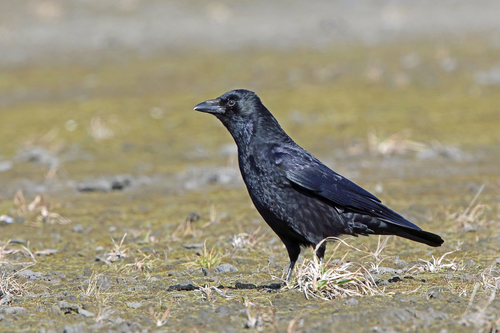
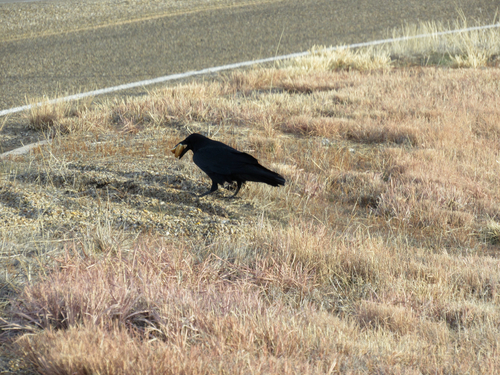
Crows and ravens, belonging to the highly successful genus Corvus, are among the most intelligent and versatile birds on Earth. Renowned for their striking jet-black plumage, complex social structures, and remarkable problem-solving abilities, these corvids have successfully colonized nearly every continent. They are highly adaptable opportunists, often seen in close proximity to human settlements where they easily exploit a wide variety of food sources. Their vocalizations are incredibly diverse, ranging from harsh caws to deep, resonant croaks, and they are capable of mimicking sounds from their environment, including human speech. In many cultures, these birds occupy a prominent place in folklore and mythology, sometimes feared as omens of doom and other times revered as clever creators or tricksters. This dual reputation reflects their keen observation skills and highly social nature. Whether cooperating to outsmart predators, utilizing tools, or playing in the wind, crows and ravens continue to fascinate scientists and nature enthusiasts alike with their cognitive prowess, which rivals that of some primates.
Habitat: They are typically found in a vast range of environments, including open woodlands, agricultural fields, coastal cliffs, and heavily populated urban centers.
Members of the genus Corvus are medium to large, stout-bodied birds characterized by entirely or mostly black plumage, often displaying a subtle iridescent purple, blue, or green sheen under direct sunlight. They possess strong, heavy bills, sturdy legs, and long, broad wings. While crows are smaller with square-tipped tails and higher-pitched caw sounds, ravens are conspicuously larger, featuring a thicker bill, shaggy throat feathers called hackles, and a wedge-shaped tail visible in flight.
Category
BirdsRarity
Common
Danger
1/5 · Very low
Snaps
1
Crows have been observed holding funerals where they gather around a deceased flock member to assess threat levels and learn how to avoid danger.
Ravens are known to play for pure enjoyment, including sliding down snowbanks, playing fetch, and performing aerial acrobatics.
Their brain-to-body weight ratio is similar to that of a chimpanzee, giving them cognitive abilities that rival those of young human children.
Some species can craft and modify tools, such as bending twigs or wires, to extract hard-to-reach food from narrow crevices.
They can recognize and remember individual human faces, categorizing them as threats or friends and communicating this information to their flock.
They possess highly developed vocal organs that allow them to mimic other animals, environmental noises, and even human speech.
They are highly opportunistic feeders that consume almost anything available, from small animals and insects to plants and human refuse.
Age differences: Nestlings are fed a higher-protein diet consisting mostly of insects and regurgitated meat, transitioning to a broader omnivorous diet as they fledge.
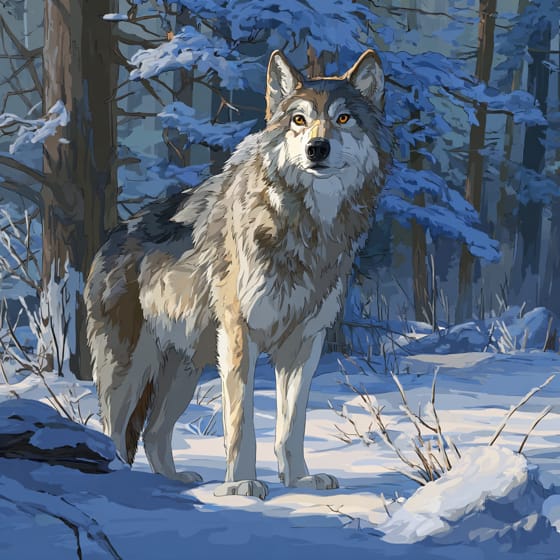
Canis lupus
Ravens often follow wolf packs to scavenge leftover carcasses from their hunts, and may alert wolves to potential prey.
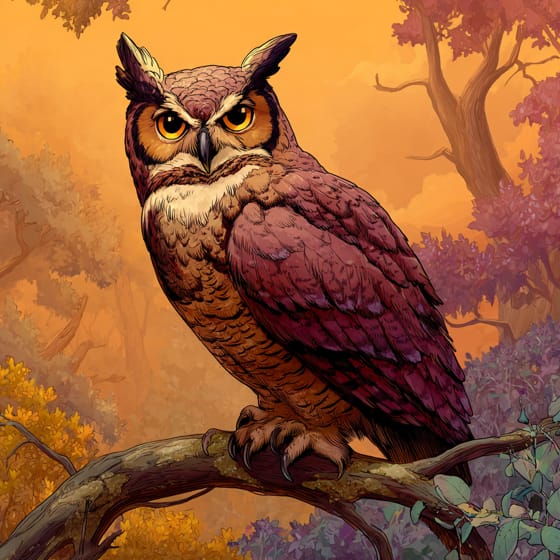
Bubo virginianus
Owls are major nocturnal predators of roosting crows and ravens, often leading to aggressive mobbing behaviors by the birds during the day.
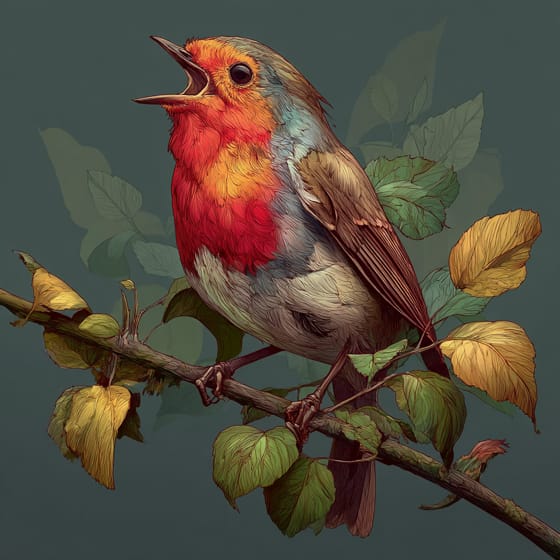
Turdus migratorius
Crows frequently raid the nests of smaller songbirds to consume their eggs and vulnerable nestlings.
Feathered describes animals, primarily birds, possessing a covering of feathers.
Social animals live in organized groups, cooperating for survival benefits such as foraging, defense, and raising offspring.
This trait identifies organisms whose diet includes both plant and animal matter.
Scavengers consume dead organic matter, helping to decompose carcasses and other waste in the ecosystem.

This trait describes organisms that manipulate external objects to achieve a specific goal.

Forest habitats are terrestrial environments dominated by dense tree cover, supporting a high diversity of plant and animal life.

Diurnal animals are primarily active during daylight hours, typically resting or sleeping at night.

Describes a species whose presence and role have a disproportionately large effect on its environment.

This habitat trait indicates species that can coexist with humans in urban and suburban environments, utilizing man-made structures and green spaces.
Collections for this object will appear here as more themes are added.
Danger
1/5 · Very low
No special safety notes yet.
The easiest way to identify Crows And Ravens is to use the Snappit nature identifier app.
34-69 cm
75-150 cm
0.3-1.5 kg
7-20 years
60 km/h
They are highly opportunistic feeders that consume almost anything available, from small animals and insects to plants and human refuse.
They are typically found in a vast range of environments, including open woodlands, agricultural fields, coastal cliffs, and heavily populated urban centers.
Zoom in to split clusters and explore where this object has been snapped.
Dec 21, 2016
Metropolitan Park Bathhouse and Pool Historic DistrictPhoto attribution
(c) CK2AZ, some rights reserved (CC BY)
License: CC BY 4.0 ↗
Image may be shown cropped inside the card frame.

New Mexico, US
You might spot Sunflower, Sideoats Grama, and Tree Cholla.
View guide →
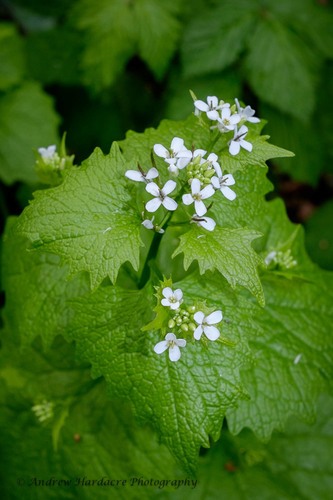
Virginia, US
You might spot Garlic Mustard, Violets, and Wineberry.
View guide →
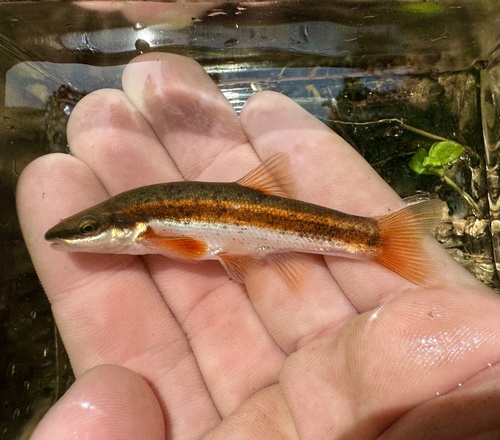
Virginia, US
You might spot Eastern Blacknose Dace and Common Jewelweed.
View guide →
Take the discovery with you
Snap it with Snappit to identify it, learn what makes it special, and add the discovery to your collection.



.jpg&width=800)








