Cuban Brown Snail
zachrysia provisoria
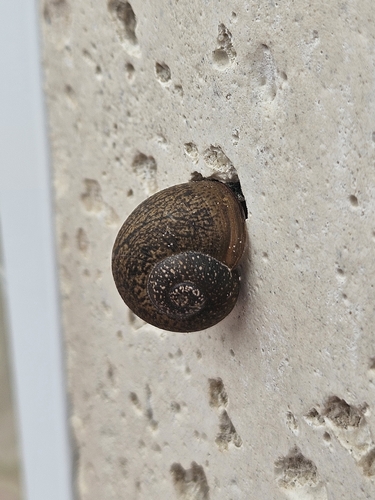
The Cuban Brown Snail has a beautiful, spiraled shell that can be brown or tan. These snails love to munch on leaves and live in warm, humid places!
Habitat: They live in gardens, forests, and areas with lots of humidity.
The Cuban Brown Snail has a smooth, shiny shell, typically light brown to reddish-brown, often adorned with darker spiral bands. Its soft body is grayish-brown, and it features two pairs of retractable tentacles on its head, with eyes on the longer pair.
Category
InvertebrateRarity
Common
Danger
0/5 · No known danger
Snaps
2
A special "rasping tongue" called a radula helps them scrape up tiny bits of food.
Their shells can have amazing striped patterns, making each snail look unique!
These snails are hermaphrodites, meaning each snail has both male and female parts!
They can seal their shell opening with a lid called an operculum to stay moist during dry spells.
Cuban Brown Snail can glide on a layer of slime because it helps them move smoothly and avoid sharp surfaces.
Cuban Brown Snail has a strong, spiral shell that helps them carry their home everywhere for protection and moisture.
Cuban Brown Snail has retractable eyestalks that help them explore their surroundings safely and pull back from danger.
Mainly eats decaying leaves, fungi, and soft plant parts, helping to recycle nutrients.

Rattus rattus
These rodents often prey on land snails.
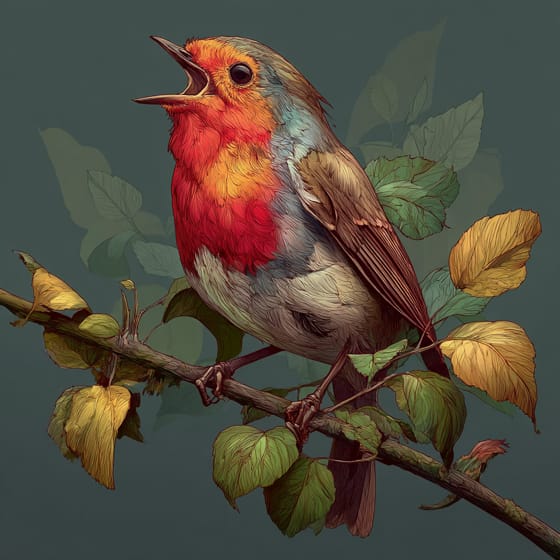
Turdus migratorius
Many bird species enjoy snails as a meal.

Quercus virginiana
Feeds on the decaying leaves from these trees.
Agaricus bisporus
Consumes various fungi as part of its diet.
Solitary animals live alone for most of their lives, only interacting with others for mating or parental care.
Colorful describes organisms or objects displaying a wide range of bright and distinct colors.
This trait characterizes organisms whose diet consists entirely or primarily of plant material.
Describes organisms that break down dead organic material, recycling nutrients back into the ecosystem.

Forest habitats are terrestrial environments dominated by dense tree cover, supporting a high diversity of plant and animal life.
Danger
0/5 · No known danger
No special safety notes yet.
The easiest way to identify Cuban Brown Snail is to use the Snappit nature identifier app.
30 mm
2 years
Mainly eats decaying leaves, fungi, and soft plant parts, helping to recycle nutrients.
They live in gardens, forests, and areas with lots of humidity.
Grazing
25 mm
Zoom in to split clusters and explore where this object has been snapped.
Jun 3, 2026
Collins Waterfront Architectural DistrictPhoto attribution
no rights reserved
License: CC0 1.0 ↗
Image may be shown cropped inside the card frame.

US
You might spot Laughing Gull, Brown Anole, and Green Iguana.
View guide →

Florida, US
You might spot Brown Anole, Laughing Gull, and Green Iguana.
View guide →

Florida, US
You might spot Crested Anole, Brown Anole, and Green Iguana.
View guide →

Florida, US
You might spot Crested Anole, Brown Anole, and Green Iguana.
View guide →

Florida, US
You might spot Laughing Gull, Brown Anole, and Green Iguana.
View guide →

US
You might spot Crested Anole, Brown Anole, and Peters's Rock Agama.
View guide →
Take the discovery with you
Snap it with Snappit to identify it, learn what makes it special, and add the discovery to your collection.